Why the World Cup Is the New Gold Standard for Restaurant Engagement
3 Min Read By Mishel Alon
Every major sporting event promises brands a chance to capture attention. But the 2026 FIFA World Cup presented something far bigger for restaurants than another sponsorship or promotional opportunity. It marked a cultural inflection point for the United States, creating weeks of occasions for fans to gather, order in, dine out and experience the tournament together.
The tournament demonstrated that engagement around the World Cup was vastly different from typical U.S. sports moments. Verve’s 2026 World Cup Effect research found World Cup search interest reached 19x pre-tournament volume, while during match days approximately 30 percent of AI-related consumer conversations focused on the tournament itself. The breadth of this interest shows how deeply the event permeated consumer behavior, including how and where people chose to eat and gather.
For restaurants, that presents a unique opportunity that can be applied to future cultural moments. Here are four questions operators and marketers should ask themselves after the last kick:
1. Could this signal a broader cultural shift?
For years, marketers have viewed the Super Bowl as the gold standard for reaching American audiences. And for good reason. It delivers extraordinary scale, but an incredibly compressed window: one advertisement, one activation and one day.
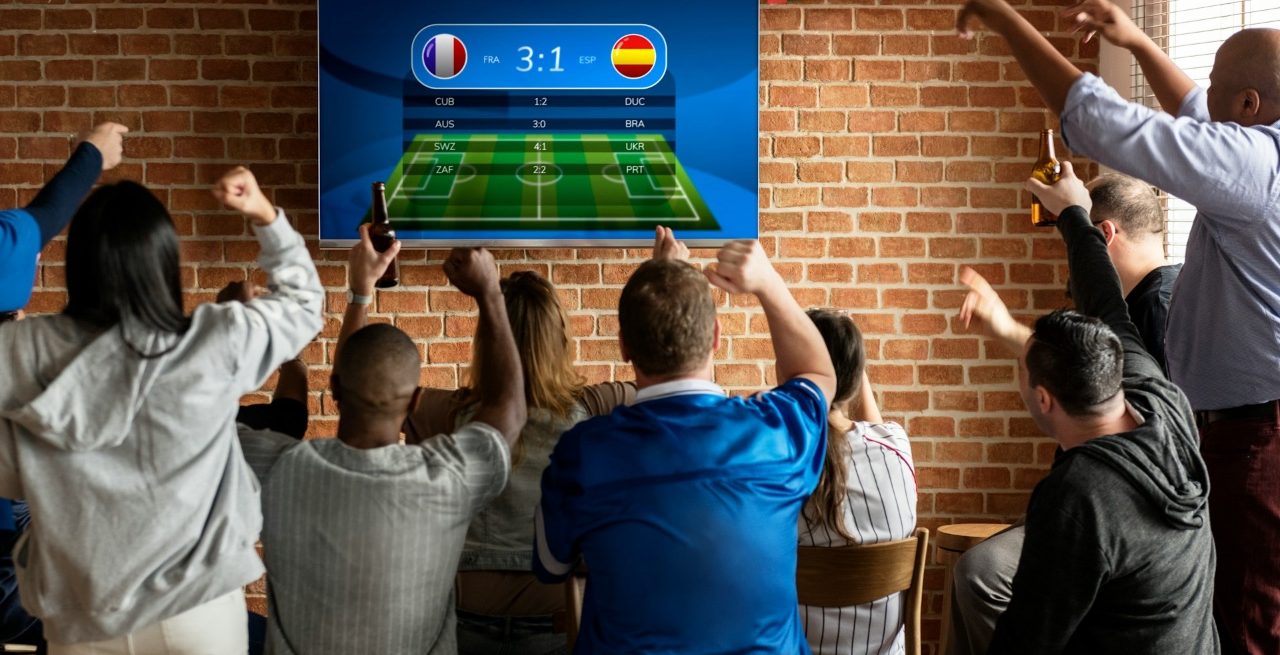
The World Cup operates quite differently, offering weeks of evolving narratives, emotional moments and opportunities for consumer interaction. Every group-stage upset, breakout player, dramatic penalty kick and viral celebration creates another occasion for fans to gather around food and drink.
That longer runway changes the opportunity for restaurants. Instead of asking, “What’s our game-day promotion?” they should be asking, “How do we remain relevant throughout the tournament?”
2. How can restaurants become part of the fan journey beyond the match?
One of the clearest findings from Verve's research is that it is not just about the game. The World Cup’s impact extends far beyond sport. Major sporting events are inherently social, bringing people together and driving interest beyond the game itself. As a result, sports fans are not only following the action. They’re also looking for travel options, watch parties, restaurants, and food delivery. In other words, fans engage with an entire ecosystem around the game.
DoorDash offers a particularly striking example. As the tournament's Official On-Demand Delivery Supporter, it captured an average 92 percent share of food delivery searches during the tournament.
For restaurants, the takeaway is that major sporting events create demand well beyond stadium concessions or game-day specials. Delivery, watch parties, group dining and culturally relevant menus can all provide ways to become part of how fans experience the event.
3. Do restaurants really need official rights to win?
This has been debated across sports marketing for years. What the World Cup showed is that cultural relevance can matter just as much as logo placement.
That's particularly important for restaurants, most of which will never have the budget or need for an official global sponsorship. A neighborhood restaurant hosting watch parties, a chain responding to a viral tournament moment or a delivery brand making group ordering easier can still become part of the experience.
The winners won't necessarily be those with the biggest sponsorship deals. They'll be the restaurants that understand what consumers care about in real time and find authentic ways to participate.
4. Is this really a conversation about sports?
Sport is rarely just about athletic performance. It's a platform for identity, belonging and shared experience, and food naturally plays a role in all three.
The biggest opportunity for restaurants isn't simply reaching soccer fans. It's understanding the occasions the tournament creates: friends meeting to watch a match, families ordering dinner around kickoff, fans seeking food tied to competing countries or travelers looking for somewhere to celebrate.
The restaurants that recognize those behaviors and build experiences around them have an opportunity to turn cultural relevance into sustained traffic, orders and loyalty.
When the final whistle blows on World Cup 2026, the real value for restaurants won't come from having appeared during the biggest matches. It will come from having been part of the experiences surrounding them.
With the L.A. Olympics only two years away, it's a lesson worth remembering.