
Why the Digital Front Door Matters Now
3 Min Read By MRM Staff
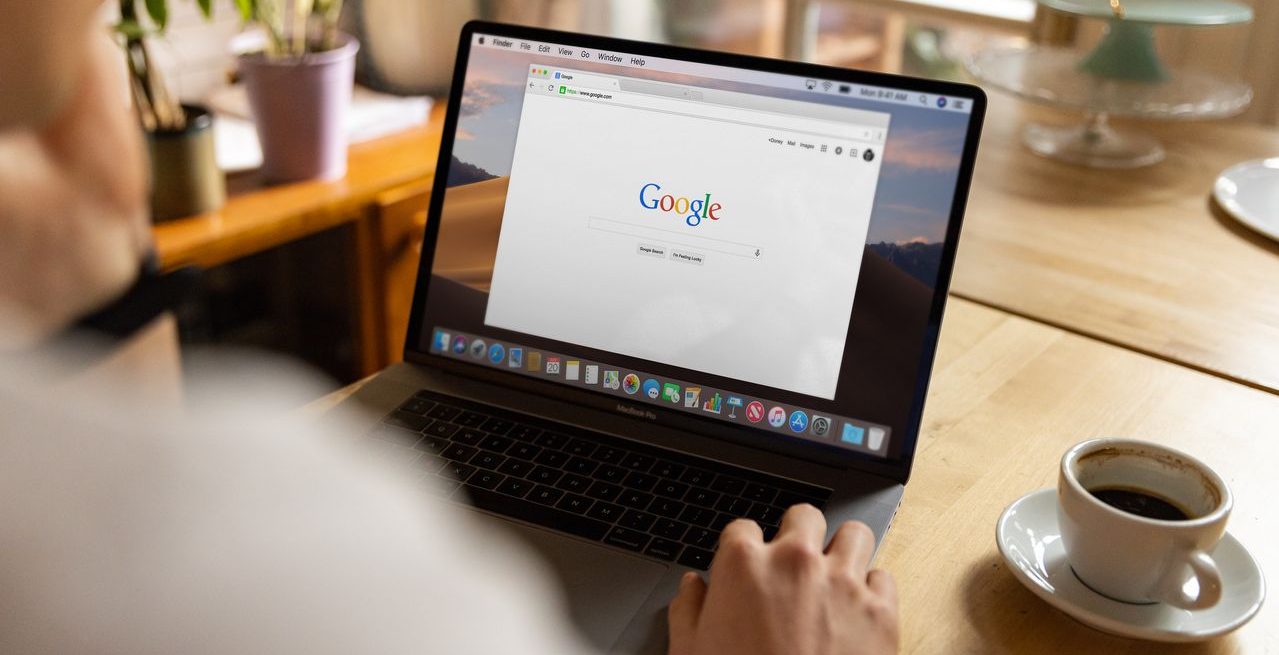
A restaurant’s digital front door matters as much as its physical one, maybe more, according to data from Menufy that revealed 34 percent search Google first when deciding where to eat, which is more than social, word of mouth and every delivery app combined.
“Consumers are deciding whether to order from you before they ever taste your food,” Aman Devgan, President and General Manager of Menufy, told Modern Restaurant Management (MRM) magazine. “They’re Googling you, reading your reviews, checking your menu – and if any of that experience is confusing or incomplete, they move on.”
Invest in Owned Marketing to Build Relationships
Owners/operators who invest directly into their own marketing channels are building the kind of guest relationships that drive repeat business and long-term loyalty, the research revealed.
“What’s especially interesting and important about this data is that 70 percent of consumers prefer ordering directly from a restaurant's own website or app when given the option, and only five percent turn to delivery apps when deciding whether to try a new restaurant in the first place,” said Devgan. “That tells us that third-party apps are being used by existing customers for convenience, but they’re not driving new discovery the way a strong earned digital presence can.”
The opportunity here is to offer third-party delivery options while investing in your owned-and-operated ordering channels, such as your website and Google listing, Devgan noted.
“More importantly, independent restaurants that invest in their loyalty programs, promotions, and advanced AI-enabled marketing programs will create a lasting advantage that reduces their reliance on third-party marketplace apps.”
Meeting Millennial and Gen Z Guest Expectations
Millennials and Gen Z aren’t just more digitally native; they’re also the least forgiving of a poor digital experience, the data revealed. While 74 percent of respondents said a restaurant’s online presence influences whether they decide to order, that rose to 80 percent among millennials. And 59 percent have decided not to order from a restaurant because they couldn’t find basic information online, such as the menu, hours or ordering options, but among Gen Z, that number is 71 percent.
“That’s a generation actively self-selecting away from gaps in their digital presence,” said Devgan. “Millennial and Gen Z consumers have grown up expecting digital experiences to work the first time. If the information isn’t there instantly and clearly, they move on. That’s the baseline expectation that digital has created.”
This is that it’s not just a preference, it’s a trust signal, he added. For younger consumers, a restaurant’s online presence signals whether it is legitimate.
“An outdated web presence with no recent reviews reads as a red flag, even if the food is excellent. Operators need to understand that their digital presence is now part of the brand experience for this generation, and it starts long before the first bite. The good news is that with the right platform in place, maintaining that presence doesn't have to be a full-time job.”
The Importance of Reviews and Accurate Information
Thirty five percent of those surveyed cited positive online reviews as the top trust factor when trying a new restaurant, above recommendations from friends and a professional website.
“Reviews are the social proof that shows up right when someone is deciding whether to take a chance on you,” said Devgan. “They work at the exact moment of decision.”
The friction points for guests are almost always simple to spot yet very often unaddressed: missing or outdated menus, no clear and smooth ordering flow, inconsistent hours, and not enough reviews, he noted, adding that, while these may sound small, they are where operators lose guests before a single interaction happens.
“An operator's day is consumed by what’s happening inside the four walls of a restaurant – staffing, food costs, orders, and guests. Updating hours, menu changes, etc. often doesn’t make it onto the priority list.”
A monthly audit is recommended at minimum, however, the more sustainable fix is to build tools around the problem, Devgan recommended.
“That's exactly how we think about building at Menufy. If your ordering platform automatically syncs your menu, if AI is taking the first pass on review responses, if your website is fully managed for you with built-in SEO, you remove the dependency on the operator remembering to do it manually. The goal is to make the right things happen automatically, so operators can remain focused on running their restaurant.”