Why Neurodiversity-Friendly Restaurant Design Matters
3 Min Read By Evelyn Long
By understanding and implementing neurodiversity-friendly design principles, restaurants can ensure an accessible and welcoming environment for all guests.
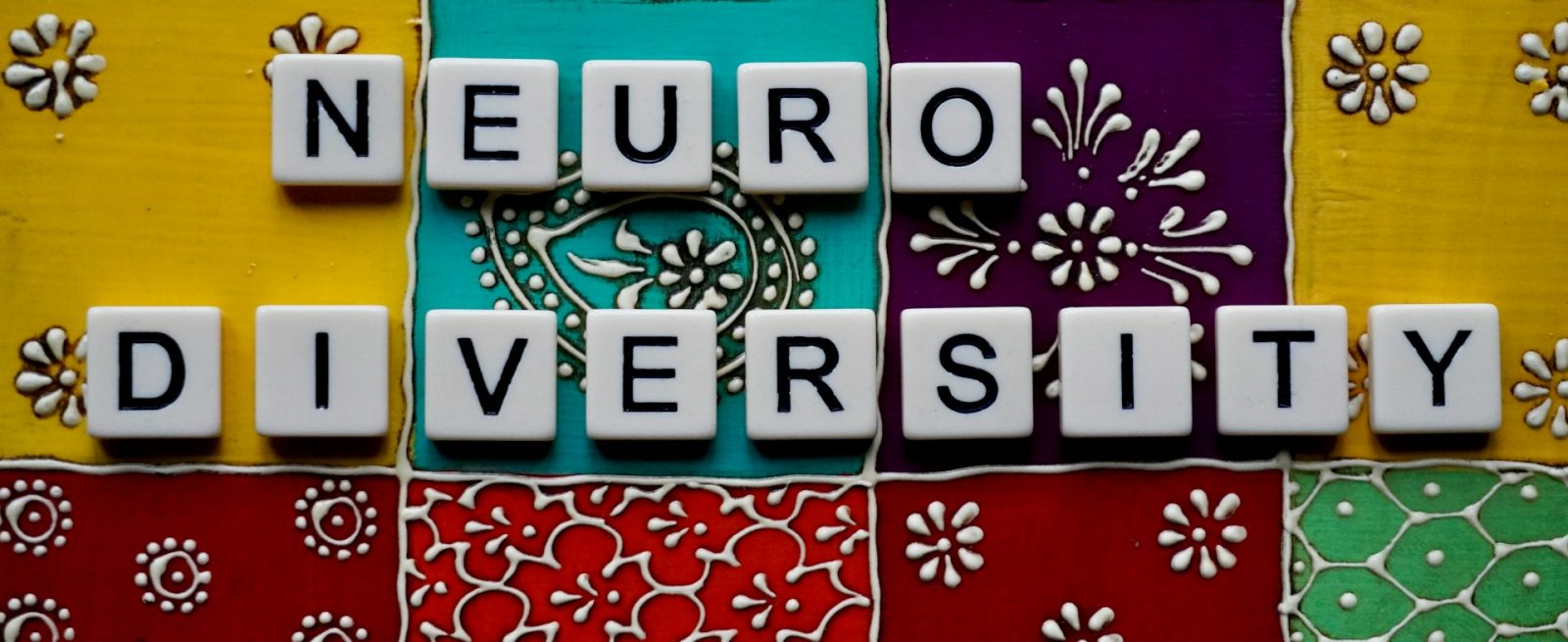
Neurodiversity refers to the diverse ways in which a brain can function and process information. Each person’s brain develops differently, and there are typical patterns and less typical, or neurodivergent, patterns. Adults who do not identify as neurodivergent are referred to as neurotypical.
Neurodivergence encompasses several diagnosable neurological differences, including autism, ADHD and dyslexia. According to a YouGov poll, an estimated 19 percent of Americans identify as neurodivergent. =
The Importance of Neurodiversity-Friendly Design
Many spaces present challenges for neurodivergent individuals. In fact, a reported 78 percent of families avoid travel altogether because the hospitality industry lacks appropriate inclusive measures for neurodiversity. Mealtimes can present challenges for those who struggle in new environments or with food-related sensitivities.
For example, an individual might experience overstimulation from the loud noises of a busy restaurant, the bright lights and the strong smells, which can lead to sensory overload. Someone with ADHD may find focusing on a conversation or a menu difficult in a busy environment with many distractions. A person with dyslexia may need more time to read and process the menu, and many people can benefit from a menu with clear, simple fonts and images.
Key Neurodiversity-Friendly Elements to Incorporate
By incorporating the inclusive elements into your restaurant, you can enhance accessibility and overall customer experience. Inclusive practices open the market to a wider range of customers, allowing them to enjoy your services and possibly enhancing customer retention and relationships.
Sensory-Friendly Lighting
Harsh overhead lighting can present a sensory challenge for many neurodivergent individuals. Consider softer alternatives, such as cove lighting, which conceals direct light sources and breaks up light. Avoid bright LEDs or flashing lights that may trigger patrons with epilepsy and cause general discomfort.
However, you must be careful not to keep the light too low so patrons can still see clearly and read menus. Consider individual table lamps that customers can brighten and dim as they need. This type of customization allows guests to adjust the environment for maximum comfort.
Sound Management
Loud environments and echoes can be unsettling for patrons. Consider soundproof materials such as acoustic panels on walls or absorptive booths, to break up loud sounds and make the space quieter.
Live bands, loud music and sporting events have their place in restaurants. Without compromising these elements, consider designating quiet spaces for those who still want to dine without excess noise.
Structured Layout
An organized layout is a key element of inclusive design that helps make a location feel safe and more understandable. Designate spaces in the restaurant to clearly define what each area is for, either by using different colors, floor patterns, walls or barriers to section them off. Clearly define and identify spaces for the bar, dining room, bathrooms, waiting areas and staff zones.
Consider applying the golden ratio to create an environment that’s visually appealing without being overwhelming. This means applying the 60-30-10 rule, where you would allocate 60 percent of the floor space to furnishings, with the remainder reserved for accents and negative space. In terms of design elements, you can pick one pattern for 60 percent of surfaces, a second one for 30 and a bold accent for the final 10 percent. This design approach can create a space that’s less overstimulating and still feels harmonious.
Clear Signage
Similar to a defined structure, having very clear and readable signs throughout the restaurant is very useful. Customers should be able to easily identify where the bathroom is located and whether or not it’s occupied.
When they enter the restaurant, guests should also immediately understand whether to seat themselves or wait to be seated. immediately available to assist.
Accessible Menus
Customers may struggle with menus for a variety of reasons. QR code menus are an example of the flexible and inclusive design options restaurants have incorporated while still offering physical menus for patrons who prefer them.
Sans-serif fonts, such as Calibri, are easier for customers with dyslexia to read. Larger fonts and images of the food can help people better understand menu items and what they’re ordering.
By embracing thoughtful design principles, restaurants can provide welcoming and inclusive destinations for the neurodivergent community. Invest in neurodiversity-friendly design to unlock a wider market and ensure a comfortable dining experience for every guest.