
What Japan’s World Cup Cleanup Tradition Can Teach Restaurants About Shared Spaces
4 Min Read By Christine FitzPatrick
When Japanese soccer fans made headlines last month for staying behind after World Cup matches to tidy up their sections by bagging trash and wiping down seats, the story went viral for a simple reason: it's rare to see people treat a shared space as if it were their own. But the reaction to that story raises a worthwhile question for the full-service dining industry: why do some spaces inspire this kind of care, while others do not? For restaurant operators, the answer may have less to do with the guest and more to do with the experience a restaurant creates. When people feel a space has been prepared for them with genuine care, they're more likely to treat it with the same regard.
For restaurant operators, creating that kind of environment starts with three connected efforts: designing spaces that communicate consideration for everyone who uses them; treating the restroom as an extension of the guest experience; and recognizing the teams who make that experience possible.
Hospitality Doesn't End at the Table
Full-service restaurants build their reputation on hospitality: the attentiveness of staff, the aesthetics of the dining room. But guests form impressions of a restaurant well beyond the table, and one of the most overlooked touchpoints is the restroom. Survey data from professional hygiene brand Tork shows that 73 percent of restaurant and café patrons say a poor restroom experience impacts their willingness to return. For sit-down restaurants, where the meal is often an extended experience, not a quick stop, these touchpoints matter even more. A single negative restroom experience mid-meal can undo an otherwise flawless meal, shaping a guest's overall impression of the visit, especially because the restroom often functions as a proxy for how a guest perceives the rest of the operation — including areas they never see, like the kitchen. Guests notice the follow-through and small details, and a restroom that doesn't feel – or appear – cared for undermines the ambiance a restaurant works so hard to build.
Recognizing the Team that Guests Rarely See
The World Cup story resonated in part because it reflected an appreciation for the people who maintain shared spaces – even when those individuals aren't visible.
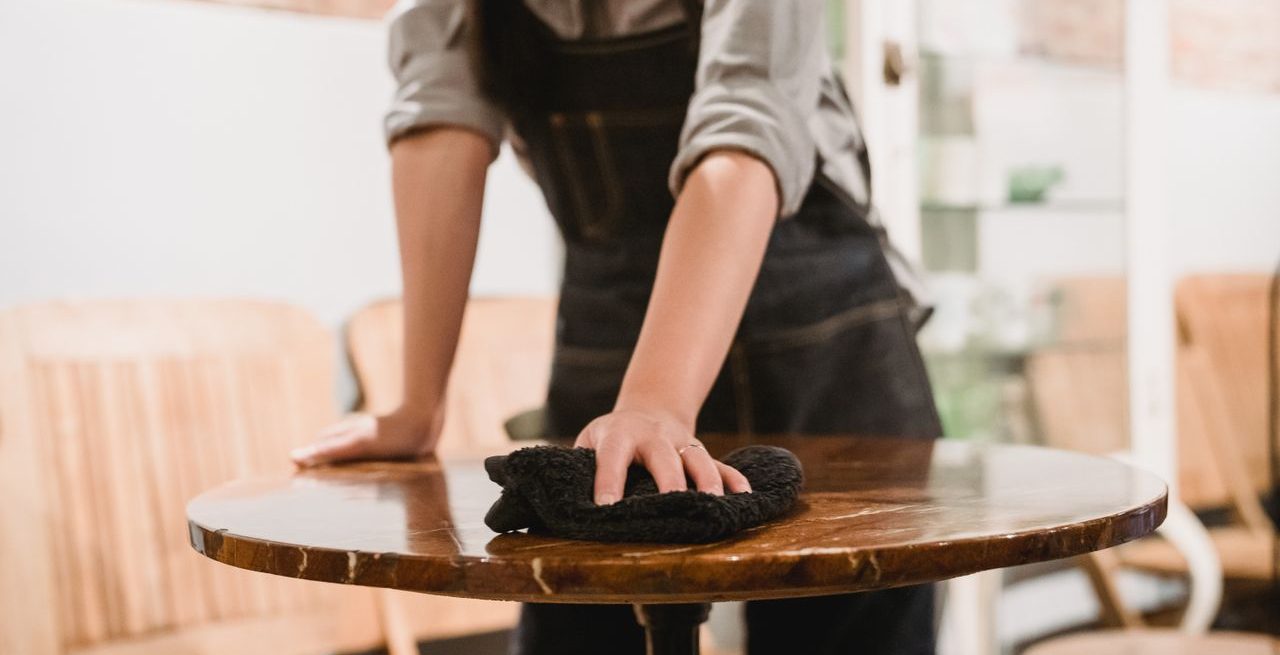
Restaurants have their own version of this dynamic: the cleaning and back-of-house staff who guests rarely interact with directly, but whose work shapes every impression a restaurant forms. That work is more demanding than most guests realize. In a global survey of cleaning staff, Tork found that 80 percent report mental health strain tied to their jobs, and 38 percent have left a cleaning role due to burnout or feeling unrecognized.
Given the impact these teams have on the guest experience, recognition cannot be an afterthought. Facility leaders have an opportunity to help employees see the value of their contributions and ensure that work does not go unnoticed. Recognition starts with helping cleaning staff understand the impact of their work. When employees can see the connection between quality hygiene and a positive guest experience, they are more likely to feel ownership over the role they play in the restaurant's success. Regular recognition, employee shout-outs, and sharing positive guest feedback can reinforce that connection while helping staff feel valued for the work they do every day.
Designing for Every Guest
While restaurants can't control how guests behave, they can create environments that encourage greater respect for the space. That starts with demonstrating care in ways both large and small. When guests feel a space has been thoughtfully prepared with their needs in mind, it communicates a powerful message: everyone is welcome here.
One of the most effective ways to do that is through inclusive hygiene, the ambition to meet the hygiene needs of as many people as possible by creating environments that consider the full range of individual abilities and circumstances. Guests do not experience spaces in the same way. One person may be managing mobility challenges, another sensory sensitivities or arthritis, while others may be navigating a chronic health condition or caring for a young child.
Inclusive hygiene is often reflected in the details guests encounter throughout a restaurant, particularly in shared spaces like restrooms. Easy-to-use dispensers can help accommodate guests with mobility or dexterity challenges, while offering paper hand towels instead of relying exclusively on air dryers can create a more comfortable experience for guests with sensory sensitivities. For families, amenities such as changing tables can make outings easier for caregivers and signal that young children have been considered as part of the guest experience. Together, these choices help create a more welcoming environment for a broader range of guests and communicate that their needs have been considered – not as exceptions, but as part of the everyday guest experience.
When restaurants create environments that are welcoming, inclusive, and visibly maintained, they reinforce the idea that this is a shared space designed for everyone. And when guests see that level of consideration, they are often more likely to extend the same consideration to the space, the staff, and the people around them.
Building a Culture Worth Caring For
Restaurant operators will likely never see diners restock the restroom on their way out the door, but the underlying lesson from Japan's World Cup fans still applies: people extend more care to spaces that clearly extend care to them. For full-service restaurants, that means recognizing that hospitality is not confined to the dining room. It lives in the condition of the restroom, the recognition given to cleaning and back-of-house teams, and deliberate choices like accessible amenities, clear signage, visible upkeep that tell guests, “This space was prepared with you in mind."
And when restaurants get this right, they build the kind of loyalty that turns first-time diners into regulars, and regulars into advocates. That, ultimately, is the same spirit that made a stadium full of fans want to leave their section better than they found it.