
Under One Roof: The Opportunities and Challenges of Co-Branding
3 Min Read By MRM Staff
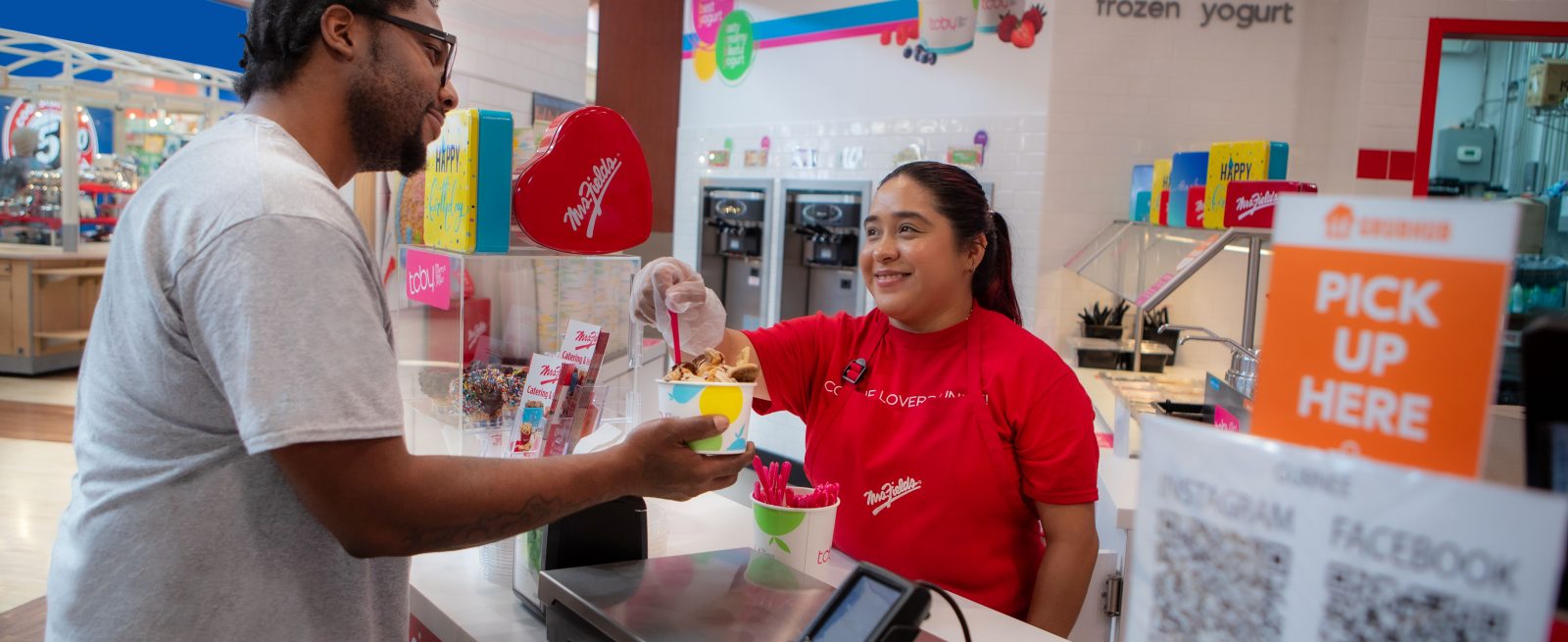
Mrs. Fields and TCBY Franchisee Dave Thakkar discusses the appeal of co-branding touching on shared operational costs, cross-purchasing opportunities, maintaining brand identity, and more.
What industry forces are fueling more co-branding opportunities?
Industry forces driving more co-branding opportunities stem from changing consumer habits and rising competition. People are increasingly health-conscious, which creates natural pairings—like a brand offering indulgent treats alongside another offering healthier options. This allows businesses to appeal to a wider audience, such as families where kids might choose cookies at Mrs. Fields while parents opt for yogurt at TCBY.
At the same time, the competitive environment, particularly in mall or high-traffic storefront locations, makes co-branding a practical strategy. By combining offerings, brands can present more solutions in one location, better serving customers and sustaining themselves in crowded retail spaces. Shifting consumer preferences and intense competition are key factors fueling the growth of co-branding.
What are the advantages of co-branding for the brands?
Co-branding offers several advantages for brands. It makes customer outreach much easier, both from a corporate standpoint and for local owners, by providing multiple channels and methods to attract customers. Brand image and perception also play a key role. For example, TCBY’s reputation as a pioneer in quality yogurt excites customers and reinforces trust, while Mrs. Fields brings indulgent treats that appeal to a broad audience.
Co-branding also drives cross-purchasing, increasing overall sales, because customers can enjoy complementary products in one location. Operational costs can be shared between the two brands, helping balance slower periods for one with stronger performance from the other. This approach not only enhances competitiveness in the market but also leverages strong brand loyalty, creating a win-win for both brands.
What are the challenges of co-branding?
Co-branding comes with several potential challenges. One major risk is reputational. If one brand has a negative perception, it can affect the other brand. Operationally, co-branding can become complicated if the product offerings or processes don’t complement each other. Marketing and branding can also be tricky if the brands don’t share a clear, aligned target audience.
Other challenges include revenue sharing, which can be difficult to track without a proper system, and space and design considerations, as two brands must fit seamlessly in a single location. Seasonality can also impact sales, though complementary brands can help balance slow periods. When executed thoughtfully, with aligned brands and clear operational systems, these challenges can be managed effectively.
Why is co-branding an interest proposition for landlords and franchisees?
Co-branding is an attractive proposition for landlords and franchisees because it strengthens both financial stability and customer appeal. For franchisees, having two established brands in one location can make lease negotiations easier, especially when rent is tied to sales percentages. It provides landlords reassurance that the store is less likely to close, even if one brand experiences slower sales, and it can attract a wider range of customers.
From a marketing perspective, co-branded locations allow landlords to leverage both brands in local promotions and events, appealing to different customer segments simultaneously. Seasonal variations are also better managed. For example, frozen yogurt may drive summer traffic, while coffee and cookies perform well in winter, creating more consistent foot traffic and revenue throughout the year. This combination improves tenant stability and helps landlords feel confident in the long-term success of the location.
Why does co-branding make sense for some brands and not others?
Co-branding makes sense for some brands and not others because the brands need to complement each other in a way that enhances traffic, sales, and the customer experience. For example, pairing Mrs. Fields with TCBY works well because the combination balances seasonal traffic and appeals to overlapping but slightly different audiences. One brand’s slower periods can be offset by the other, and marketing can be coordinated to maximize customer engagement.
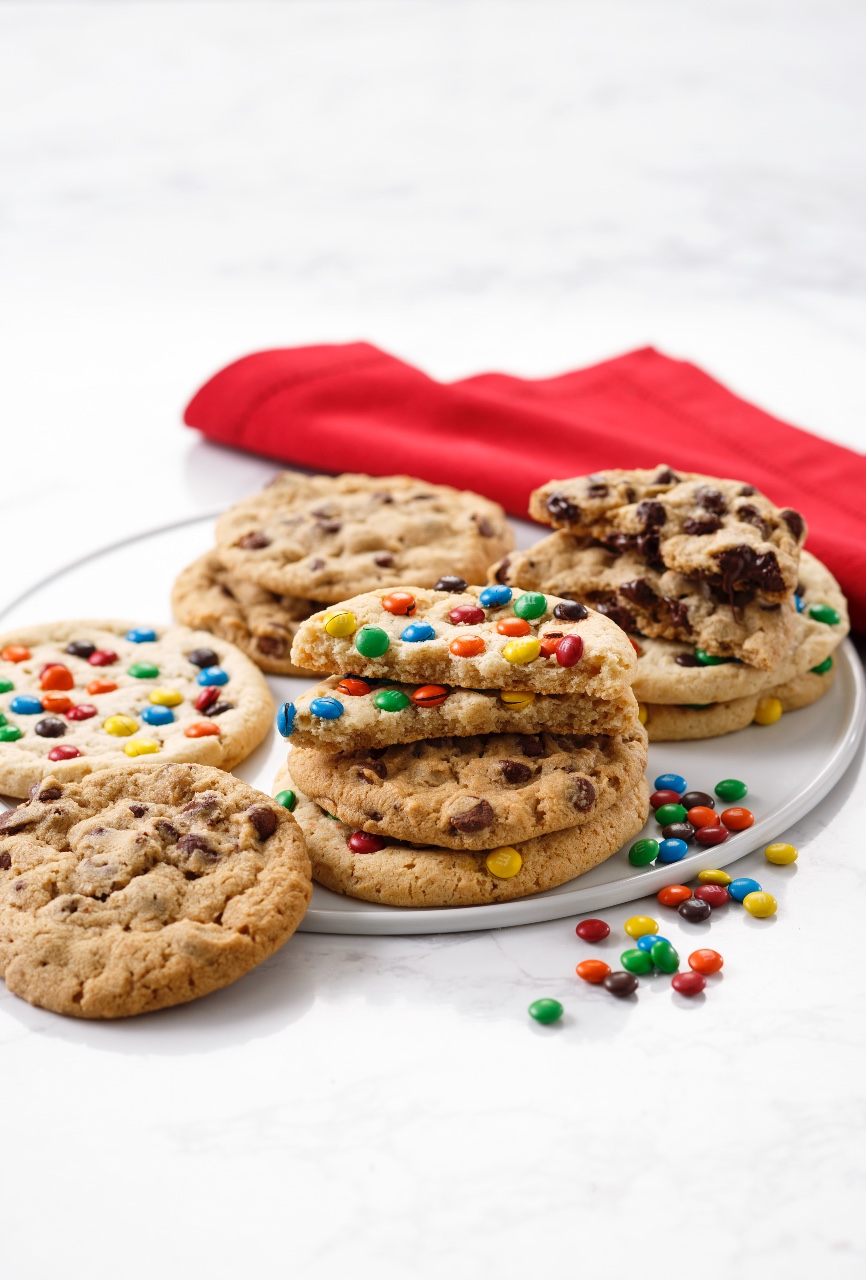
Alignment in quality and brand values is also crucial. TCBY focuses on high-quality yogurt, while Mrs. Fields emphasizes freshly baked cookies with a premium experience. Together, they deliver consistent value to customers. In contrast, some brand pairings don’t complement each other effectively due to differences in customer expectations, operational approach, or brand positioning. Successful co-branding depends on finding brands that naturally enhance each other and create a balanced, cohesive offering.
How can brands coexist and still maintain brand authenticity?
Brands can coexist and maintain authenticity when they complement each other while staying true to their individual strengths. Both Mrs. Fields and TCBY emphasize quality, freshness, and joy, but express it differently. Mrs. Fields offers a warm, indulgent experience, while TCBY provides a light, refreshing one.
Visual cues, like packaging, signage, and color schemes, reinforce each brand’s identity and prevent customer confusion. Employees are trained to understand and reflect each brand’s tone, ensuring the customer experience is consistent and authentic. By focusing on the customer’s intent, whether indulging or celebrating, both brands can share a space successfully while maintaining their own distinct identities.