Three Ways QR Codes Will Reshape Restaurant Hospitality in 2026
3 Min Read By Sharat Potharaju
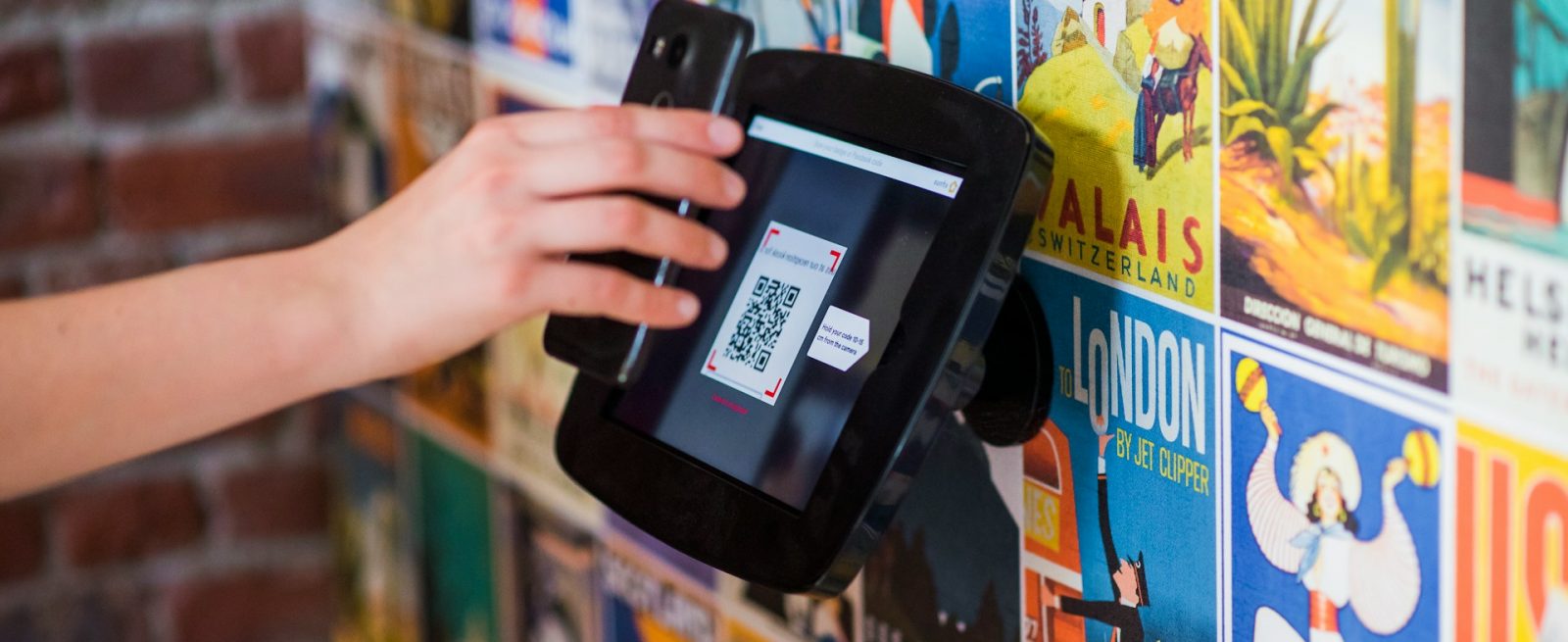
Nine in ten diners now scan QR codes weekly, making it a regular part of how they move through a meal. In that sense, QR codes have essentially become the new front door for most restaurants — the first real interaction guests have once they sit down. But the thing is, most of those scans don't do much beyond showing a menu.
That's not necessarily anyone's fault. Most operators adopted QR codes quickly during the pandemic to solve an immediate problem, and they worked well. But now that scanning has become a habit, guest expectations are starting to shift. People are looking for something more useful on the other side of that scan, whether that's vital information or suggestions.
In 2026, three specific shifts will help operators close that gap and take full advantage of all their QR codes have to offer.
Scans Will Become Personalized First Impressions
The first shift is that QR scans will become personalized interactions that adapt to individual guests, not just generic gateways to a menu. Right now, most scans deliver the same experience to everyone, such as a PDF menu or a static webpage. But diners expect access to more information from their scans, so they don't have to flag down a server for questions. They also want suggestions based on what they've ordered before, and to receive offers that make sense for the time of day or the season.
Meeting guests where they're at builds repeat business. When a scan recognizes a returning customer and surfaces their usual order or adjusts the menu to exclude their known allergens, that guest is more likely to come back. The interaction becomes frictionless, and the operator captures data they can use to improve the experience next time.
Operators who treat each scan as a chance to deliver something useful and on-brand will turn diner habits and needs into loyalty.
Solving Digital Chaos Will Deliver the Biggest Operational Wins
The second shift is that operators will stop treating their digital touchpoints as separate systems and start connecting them.
Right now, menus, loyalty programs, promotions, and signage often run on different platforms that don't talk to each other. That creates friction for guests, who might scan a code that shows last month's menu or an offer that doesn't match what's on the website. It also creates waste for operators, who have to manually update multiple systems every time something changes.
The biggest operational wins in 2026 will come from connecting those touchpoints through a single QR code. When everything runs through one system, a menu update happens once and pushes everywhere instantly. A guest's scan can enroll them in the loyalty program, trigger a kitchen alert about their dietary restrictions, and route their feedback to the right manager without any extra steps.
That kind of connection reduces labor pressure, eliminates the inconsistency that frustrates guests, and builds in security features like real-time anomaly detection. For operators managing tight budgets and limited staff, solving this digital chaos will matter more than adding new hardware.
Everyday Interactions Will Turn Into Measurable Loyalty Signals
The third shift will hit QSRs particularly hard (in a good way). Quick-service brands see more foot traffic than any other restaurant category, but most of that engagement never gets captured or connected to anything useful. A guest walks in, orders, eats, and leaves, and the operator has no way to bring them back beyond hoping they remember the experience.
QR codes on signage, packaging, or table tents change that. A single scan can instantly enroll a guest in a loyalty program, personalize their order based on past visits, or show them exactly where their ingredients come from.
Each of those actions creates a measurable signal that the operator can use to improve retention. And as budgets tighten across the industry, these connected, value-driven moments become essential. It costs far less to keep a customer coming back than to acquire a new one.
QR codes are now part of the infrastructure that connects physical hospitality to digital intelligence. The brands that close the gap between what guests scan and what they actually get will build the kind of loyalty that compounds over time — one scan at a time.