The Secret Ingredient at Crepe Therapy Café Is the ‘Connector’
5 Min Read By MRM Staff
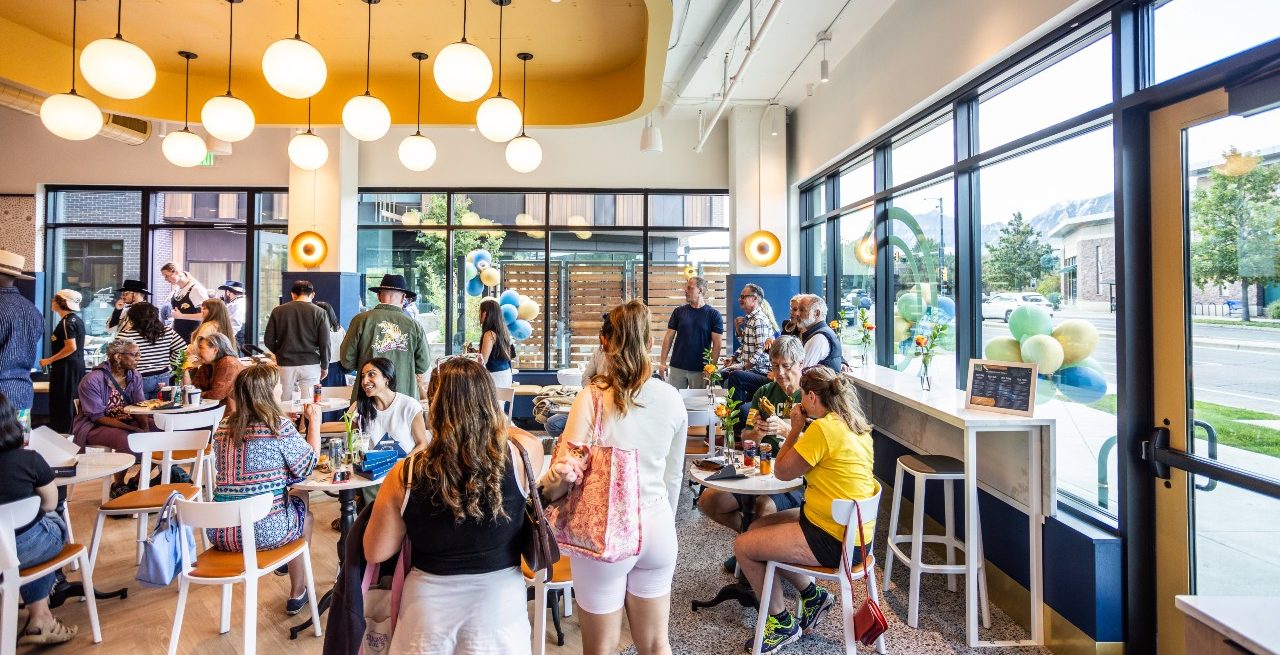
When Mawa McQueen opened Crepe Therapy Café, the James Beard Semifinalist Chef added a unique role to the staff: A Connector focused on fostering meaningful connection among guests, staff, and the larger Boulder, Colorado community. She views the role as central to her mission of creating a third space where everyone can find connection and belonging in a world that is often lacking that sense of community.
To fill the role, she found Steve Laser, who had left a finance career to save his high school hangout from closure. Though he interviewed for a different position, when she learned his story, McQueen knew he would be a good fit for the Connector opportunity.
Modern Restaurant Management (MRM) magazine connected with the pair to learn more about their experience.
Why did you want to create the role of Connector at Crepe Therapy Cafe, and why do you feel it’s so important to make the restaurant into a community hub?
MM: Nowadays, coffee shops, cafes, and fast casual restaurants with mobile pick-up and drive-thrus are often connectionless and transactional. They are no longer the “third spaces” they once were. But what hasn’t changed is that people need a genuine connection to feel a sense of belonging in their community. Crepe Therapy Cafe Boulder is my first restaurant in a college town, and the younger generations are the ones who need connection and community more than ever because social media has only deepened their isolation. That’s why this role exists. I couldn't just hope the cafe would become a gathering place– I had to make sure of it.
I couldn't just hope the cafe would become a gathering place– I had to make sure of it.
What qualities did you look for in the role? How does the role differ from a traditional host?
MM: We look for someone who is approachable and friendly, but most of all truly compassionate and kind-hearted. We look for people who are deeply committed to their communities and care about sowing into the next generation. This role goes beyond the responsibilities of a traditional host– a Connector is someone who truly wants to hear about your day and create authentic conversation. These are all the qualities of a true friend.
What was it about Steve and his story that made you feel he was a good fit?
MM: Steve originally interviewed for a different position, but as soon as I felt his energy and heard his story on that interview, I knew that he was meant to be my first Connector.
Steve spent his career working in finance, sales, and marketing, but his path took a turn when his community’s beloved high-school hangout (once his, too) closed and went up for sale. He felt such a connection to the burrito spot that he decided to buy it, and restore it as a neighborhood fixture for the community to gather. That’s when I knew that his life’s mission is hospitality and connection. That’s when I knew that he was the perfect fit to be our Connector.
How has the role worked with staff culture? What has the response been from guests?
MM: Beyond our guests, the Connector’s role is to foster connection with our employees. Steve has an incredible way of sensing an employee’s energy when they walk through the door, knowing when they need their spirits lifted or perhaps they have good news they want to share. He’s that person they can go to. Our guest feedback has been incredible. Guests feel truly welcomed and are often surprised by the way they feel when they leave. They leave feeling connected to our mission.
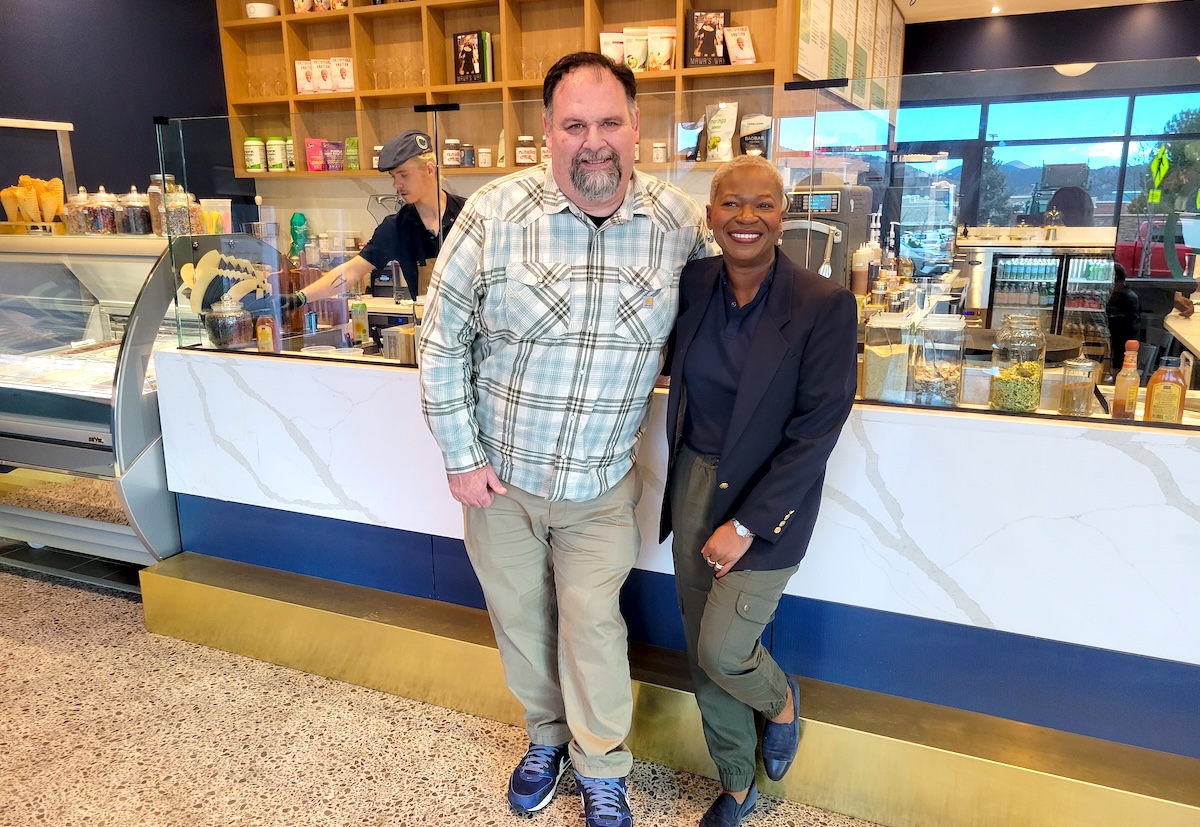
Photo by Linnea Covington
What advice would you offer to another restaurant that sees this and wants to do something similar?
MM: My advice is to do it, and not let anyone tell you otherwise. There are so many people who may not understand the impact and importance of this role. Those are the people who need true connection the most.
Oftentimes, we go back to a restaurant because of the way it makes us feel.
You mention “unquantifiable ROI,” but how do you measure if the position is being effective?
MM: Oftentimes, we go back to a restaurant because of the way it makes us feel. A big way we know we are building a real sense of community with the Connectors is by seeing familiar faces come through the door every day.
As guests turn into regulars, we are able to build on past interactions and create more personal connections. Watching people go from first-time visitors to regulars and eventually to friends and “chosen” family really reflects the role the Connector plays in shaping the space.
What are some examples of ways having the Connector role has had an impact?
MM: Having Steve in the restaurant each day, engaging with our neighbors and guests, has allowed him to build relationships that go beyond simply serving crepes. Instead of only checking in on how everything tastes, he connects with people on a more personal level by remembering their favorite orders and asking about their families, how a big exam went, or whether they will be at our next game night.
What is your day-to-day routine at the cafe like?
SL: My daily routine starts with an energetic greeting to each of the staff and a quick check-in about their life outside of work, like, “How was your grandma’s 80th birthday party?” or “Are you having so much fun with your new puppy?” I help them get the restaurant ready to open and make sure our space is ready and inviting to host our guests.
As the guests arrive, I make sure they are greeted as they walk in the door, usually with a “How are you feeling today?” and then guide them to our menus and offer them recommendations. I spend a lot of my time in the dining area checking in with our guests. I avoid the typical restaurant table check, “How’s the food?” Instead, I ask questions that build deeper connections with them, like, “How’s your day going?” “What are y’all up to today?” “How are we taking care of you today?” and genuinely connecting with them. Oftentimes, people really open up to me and tell me stories about their kids or grandkids, or about their work and hobbies. Oftentimes, I will pull up a chair and sit with them for a while. I try to capture at least one or two things during our conversation so I can follow up with them during their next visit.
I also spend time in the community, whether that means attending Boulder Chamber of Commerce events, Boulder Restaurant Alliance meetings, or stopping in to local businesses to share our story with them.
What attracted you to the opportunity?
SL: The biggest attraction to me when it came to this opportunity was Chef Mawa and her vision. She is truly an amazing person, and her energy is infectious. When she started to explain her dream of having a connector at Crepe Therapy Cafe to me, I was blown away. It was like she had known me my whole life and built the role just for me. I had just finished revitalizing my high school hangout, a place that had been so important to the community for 40+ years, and I missed the conversations with the regulars and the deep connections I had fostered there over the years. I knew how meaningful those connections were, and I know we can do the same thing here. We have a greatest opportunity here to bring people together and give them a sense of peace and belonging, even as most of the outside world is trying to separate and isolate us.
Top photo by Casey Wilson