
The Connection Between Marketing and Franchise Expansion
3 Min Read By MRM Staff
Friday nights in Texas are all about high school football games so when one brand found they were losing sales to a competitor during those coveted times, they turned to marketing to problem solve.
Working with Moroch Partners and tapping into the Dallas-based advertising agency’s “local changes everything” philosophy, they developed a “Friday Night Fries” campaign designed to connect with the community. It worked.
“That campaign enabled us to regain share, and it was something that could only have worked in Texas,” said Moroch CEO Matt Powell, who believes that the smartest marketers understand this dynamic and why it’s critical for brands to not miss deeper, cultural insights that significantly contribute to the qualitative aspects of the market they are going after.
Phases of Scaling
Franchise brands go through distinct phases as they scale and grow with obvious indicators such as number of locations, market penetration, maturity of the franchisor organization as well as sophistication of their external partners, said Powell. Moroch works heavily with franchisers including representing McDonalds in numerous regions across the U.S.
“Having worked with so many brands across so many industries, we see the same signs that a brand is ready to move to the next phase. One of the hardest phases is getting the individual owners to play on the same team versus being competitive with each other. That’s a key milestone for brands to start winning the ground game and elevating to a national brand.”
Finding Connection in Specificity
Having great specificity in how you are telling the story, actually leads to broader connections for the brand because telling a unique story creates opportunity for people to relate to their own story, Powell found.
“Marketers often think the opposite; that they need to have a broad story. But that often waters own their brand. We work with a grocery store that was doing a major re-brand. The stories we told in the spot were very specific, and in some cases real stories of shopping experiences. But consumers can see themselves in those stories, even if theirs are different.”
Effective marketing strategies for franchise growth should include understanding their Google and Meta strategy, Powell noted.
“That’s where I’d spend my first and second dollar. We have one client that would test into new channels, starting with Google. Then they added Meta, and now they’ve overlayed traditional media channels. That approach may not work for all brands, but with them, it allowed them to see the effects of layering in new media.”
Marketing as a Growth Tool
Among the key challenges of utilizing marketing as a strategic growth tool include having the discipline up front to stay the course with messaging and avoiding the tendency to try to prove ROI on every dollar, Powell said.
“While we are much more sophisticated in connecting results to marketing, there are dollars needed to build the brand long-term. It’s also important to establish the right balance between “national” and “local” dollars up front. As the brand scales, if the discipline is in place both can grow in tandem.”
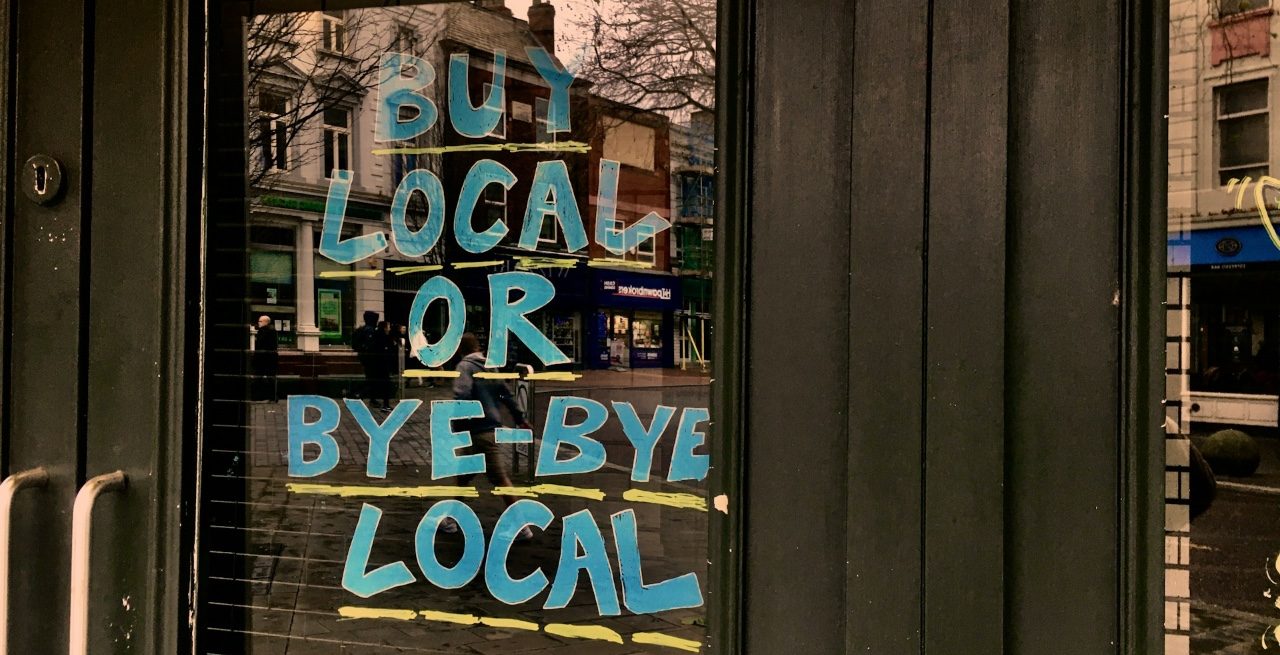
“Local Changes Everything” was adopted as Moroch’s mantra during the pandemic, Powell noted, because there was no “one-size-fits all” playbook for brands.
“We’ve always lived at the intersection of national and local, and how those two work together. There wasn’t one of our brands that recognized the value of getting that right as they navigated a local crisis that played very differently state to state, market to market, and even community to community. It was a fitness brand that had locations reopen in two months in Texas, and 12 months later in Michigan in California. We still see so much missed opportunity in getting this right.”