Staying Relevant Without Losing Your Identity
5 Min Read By MRM Staff
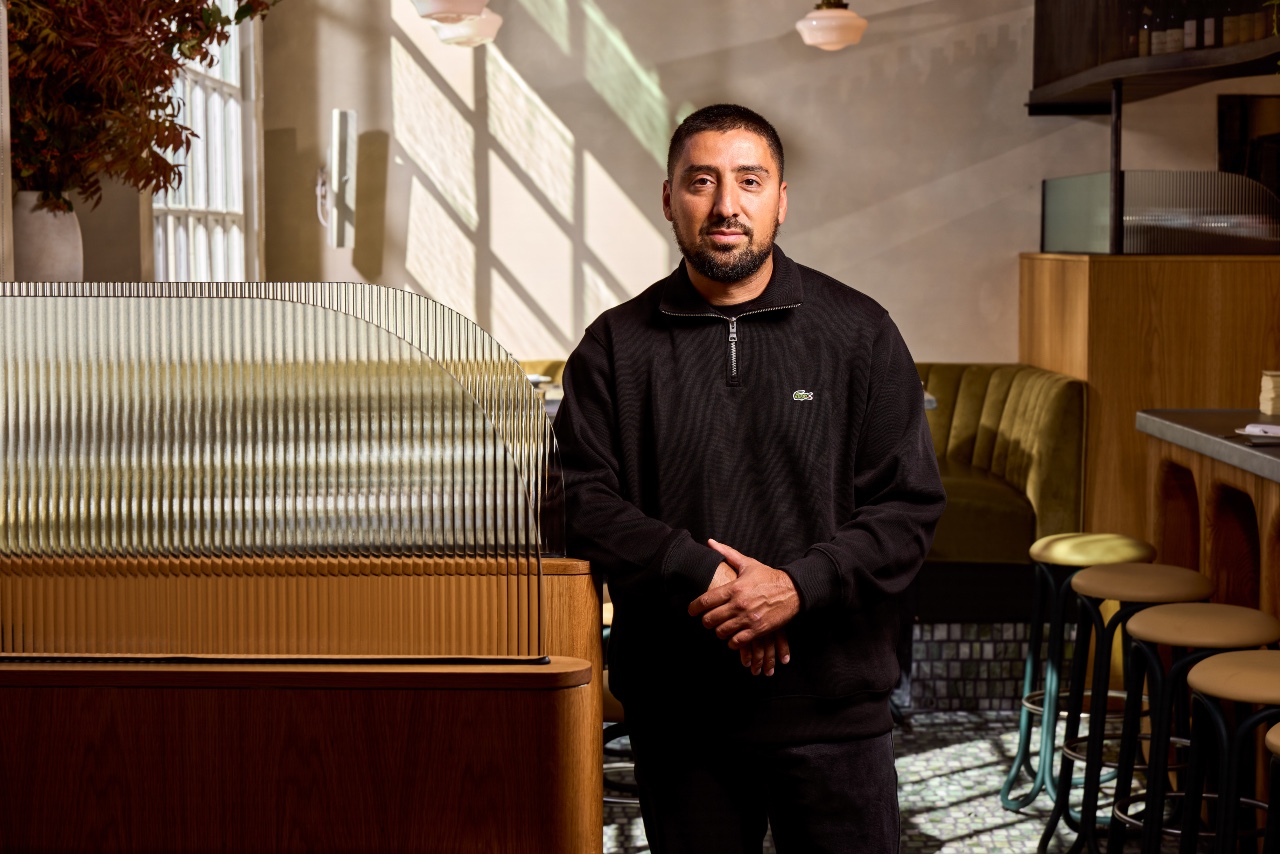
Kais Bouzidi’s heart has been planted along the streets of San Francisco for nearly 20 years, providing a foundation for everything he has built since. After coming to the city for an intensive language program, he was hooked by the openness of the people, the culture, and the energy. While restaurants weren't necessarily part of his initial plan, growing up in a restaurant family in France meant the industry was familiar to him, so when the opportunity came up to take over Sens, Bouzidi went for it.
“Once you commit to a restaurant, there's no turning back,” he said. “It becomes your responsibility, your concept, your belief system. I was young, I had just come from France, and people believed in me. That kept me motivated to make it work.”
Today, Bouzidi’s portfolio includes Barcha, and Bon Délire, in addition to Sens. Hayati, a Middle Eastern concept is on the horizon. He has spent years refining a philosophy centered on longevity over hype, creating concepts that evolve with their neighborhoods while staying rooted in consistency, hospitality, and value. In this interview with Modern Restaurant Management (MRM) magazine, Bouzidi discusses his journey, staying relevant, reinvention, the power of relationships, and the perception of value.
In what ways are your restaurants unique in personality, but connected operationally?
You have to have passion in your craft. That's the thread running through everything. Each restaurant lets me express who I am and where I come from, but the connection between them isn't purely operational. It's really about the people.
The key players who contribute to one restaurant's success often carry that into the next. Many people who started as servers or cooks have grown into leadership roles across the group. That continuity of relationships is what ties everything together more than any system or process.
What are some examples of how your restaurants have evolved while remaining neighborhood staples?
Evolution for me is tied directly to work ethic. I'm in my restaurants six or seven days a week and that level of presence keeps you sharp. You're constantly looking for opportunities to improve. We reinvent ourselves through the details: decor updates, new menu items, evolving the playlist, trying different types of events. The goal is never to change who we are, just to keep getting better at it.
When you spend that much time in your restaurants, you notice what could be sharper. That's how you stay relevant without losing your identity.
How do you balance growth with quality control, and how important is hiring and delegation in that equation?
Delegation is everything. There is no way I could do what I'm doing without it. The people who have grown from within the organization are what make expanding to multiple locations possible. I can't be everywhere at once, so I've had to learn to trust people and collaborate. I surround myself with talented people and let them carry a real piece of the vision.
I surround myself with talented people and let them carry a real piece of the vision.
As the owner you still need to be the driving force, but building the right team around you is what allows growth without sacrificing quality. Everyone owns a piece of the work and together it adds up to something much bigger than any one person could manage alone.
What are some lessons you would share with young hospitality entrepreneurs pursuing the industry?
A few things. First, you have to be willing to go all in. This is not just a job. It becomes who you are.
When I opened Sens I wasn't thinking about a second or third restaurant. I put everything I had into making that one work. I gave up a lot of what people consider normal life balance in my twenties, but making Sens successful was genuinely all I cared about at the time. You have to be willing to make that kind of commitment.
Second, pay close attention always. Whether it's year one or year eighteen, treat the business like it needs your full focus. When you stay that involved you collect constant feedback from your team, your guests, your competitors, and the ability to act on that feedback is what separates operators who grow from those who don't. It's a constant pursuit of getting better.
That level of involvement is what made the difference for me.
What role does technology play in your restaurants?
I'll be honest, I'm not someone who thrives sitting in front of a screen reading reports. But I've learned that technology is one of those details you can't ignore. My approach has been to surround myself with people who genuinely understand it and see the value in it. Everything is increasingly digital and the right people on your team can help you leverage that without it pulling you away from what you do best. It comes back to delegation. Find people who are better than you at certain things and trust them.
What are some examples of how your restaurants deliver a perception of value and what are your recommendations for other operators attempting to do the same?
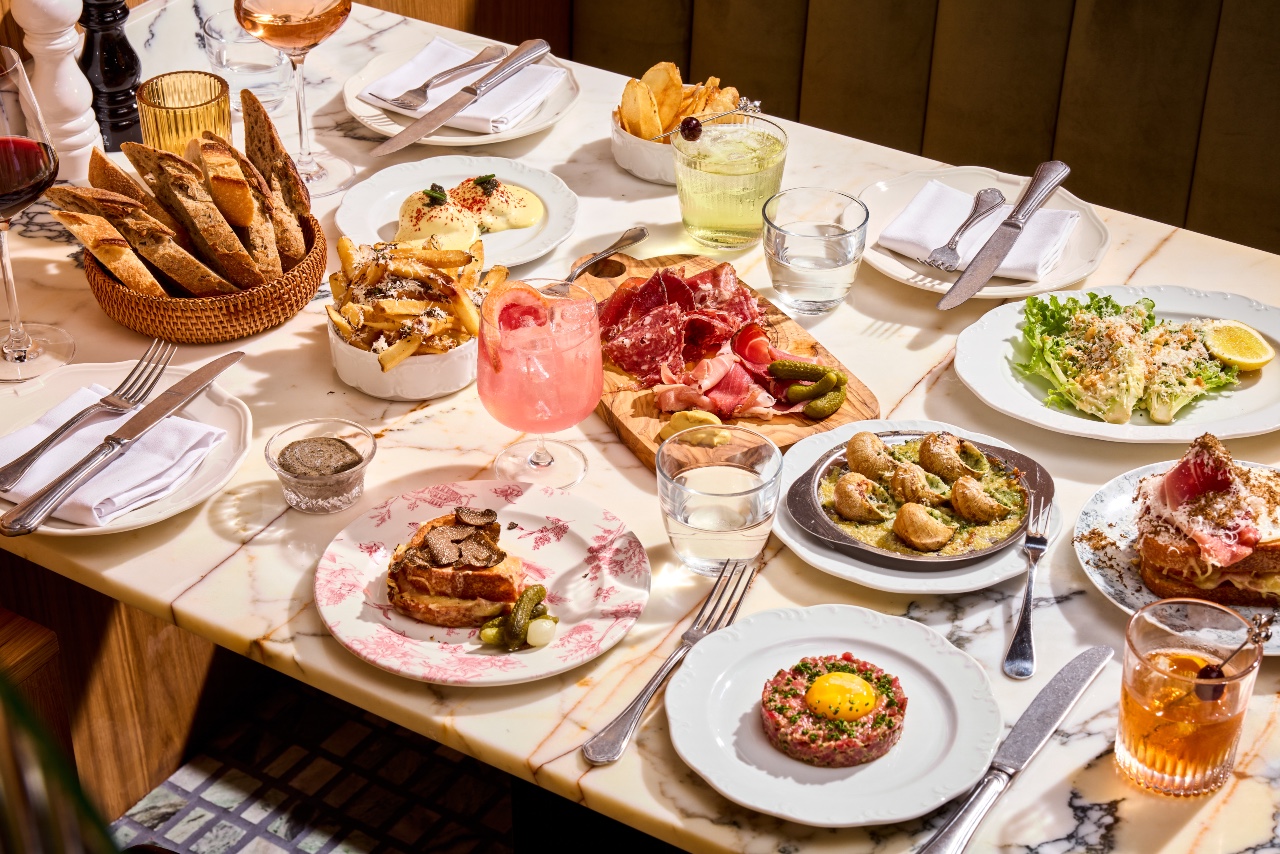
Value is about how unique the experience is, not just the food or the price point. Each of my concepts has its own identity. Sens has an incredible location, stunning views, and a space that works beautifully for celebrations, corporate events, and weddings. Barcha brings North African and Mediterranean energy with a great outdoor space. Bon Délire carries that same spirit but through a French lens. Hayati, my next concept opening in The Ferry Building soon, will focus on Middle Eastern cuisine.
The authenticity comes through in the overall experience, not just what's on the menu.
Each concept is really an extension of who I am. My culture, growing up in Paris, my father being from Tunisia. The authenticity comes through in the overall experience, not just what's on the menu. That's what creates value guests can actually feel.
My advice to other operators is to figure out what makes you genuinely different and commit to it fully. The value lives in the experience.
What are the key challenges facing the restaurant industry and how are you responding to them?
The challenges restaurants face are really the same challenges any business faces. When a city is struggling, restaurants feel it too. But my focus has always been on what we can control: creating value, building a real identity, delivering an experience that feels different from everything else out there. If you do that well, the outside problems don't disappear but you give yourself a much better shot at getting through them.
Every operator will tell you about staffing issues, inflation, and people working from home. Those are all real. But the more interesting question is what are you doing to generate more demand within your own four walls. If you're building something with a strong identity and a genuine sense of community, you become more resilient.
That sense of community is also why I've kept growing here. When you have a restaurant, you become part of people's lives. They celebrate there, they gather there, they come back through the ups and downs. That creates a real attachment, not just to the restaurant but to the staff and the neighborhood. When COVID hit and everything collapsed, being able to come back from that only made it more meaningful. These restaurants are a contribution to the community and that matters to me deeply.
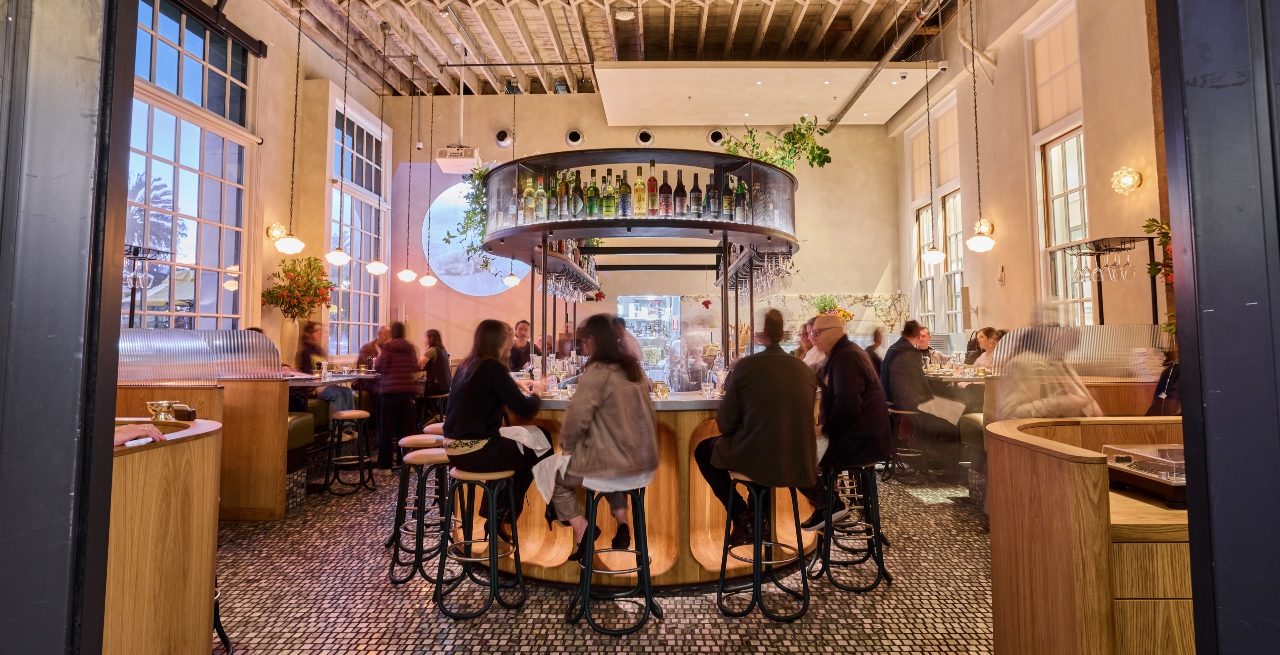
Top photo: Bon Délire