
MRM EXCLUSIVE: The Restaurant Industry’s Reckoning with Technology, Identity, and Experience
4 Min Read By Libby Rodney
The restaurant industry is at a turning point, caught between the promises and the worries surrounding new technology. On one side, AI and automation are changing how restaurants cook, serve, and interact with customers. On the other, diners and employees still crave that personal touch that makes dining out a unique and fun experience. This tension is playing out in restaurants and eateries everywhere, and how the industry navigates it will shape its future.
For Gen Z, technology has become a constant presence. Nearly 90 percent of young professionals believe that we’ll soon see a partnership between humans and AI and 82 percent already use AI in their day-to-day work. Yet, with all the potential that AI holds, there’s also a real fear of being replaced. We see that 65 percent of Gen Zer’s have legitimate concerns of becoming obsolete, and nearly half feel that their education is less relevant because of AI. The same tools that promise creative freedom and efficiency also raise questions about job security and purpose.
Restaurants, as well are feeling the impact of these shifting attitudes toward technology. While tech can streamline operations, improve efficiency, and aid in managing customer expectations, it can also feel like it is stripping away the human connection that makes dining out memorable. The challenge for the restaurant industry is to find a balance: using technology to enhance the experience, without losing the personal touch that consumers crave.
Homogenization vs. Individuality
As AI and tech technology advances, many fields, including the food industry, are experiencing a trend of “beigeification.” This refers to the flattening of experiences into predictable, cookie-cutter versions. For restaurants, chains and franchises driven by the need for efficiency and scalability often produce standardized dining experiences. Now this might work for some customers, but many diners are seeking something that is more unique. Customers, especially in the younger generations, are craving dining experiences that reflect individuality, creativity, and authenticity. They want restaurants that embrace local flavors, celebrate culinary experimentation, and create spaces that feel distinct, not templated.
The push for authenticity isn’t just a new wave, but rather a fundamental shift. Nowadays, consumers are shunning the homogenous nature of many dining experiences in favor of moments that offer something more personal and meaningful.
Technology’s Role: From Fear to Opportunity
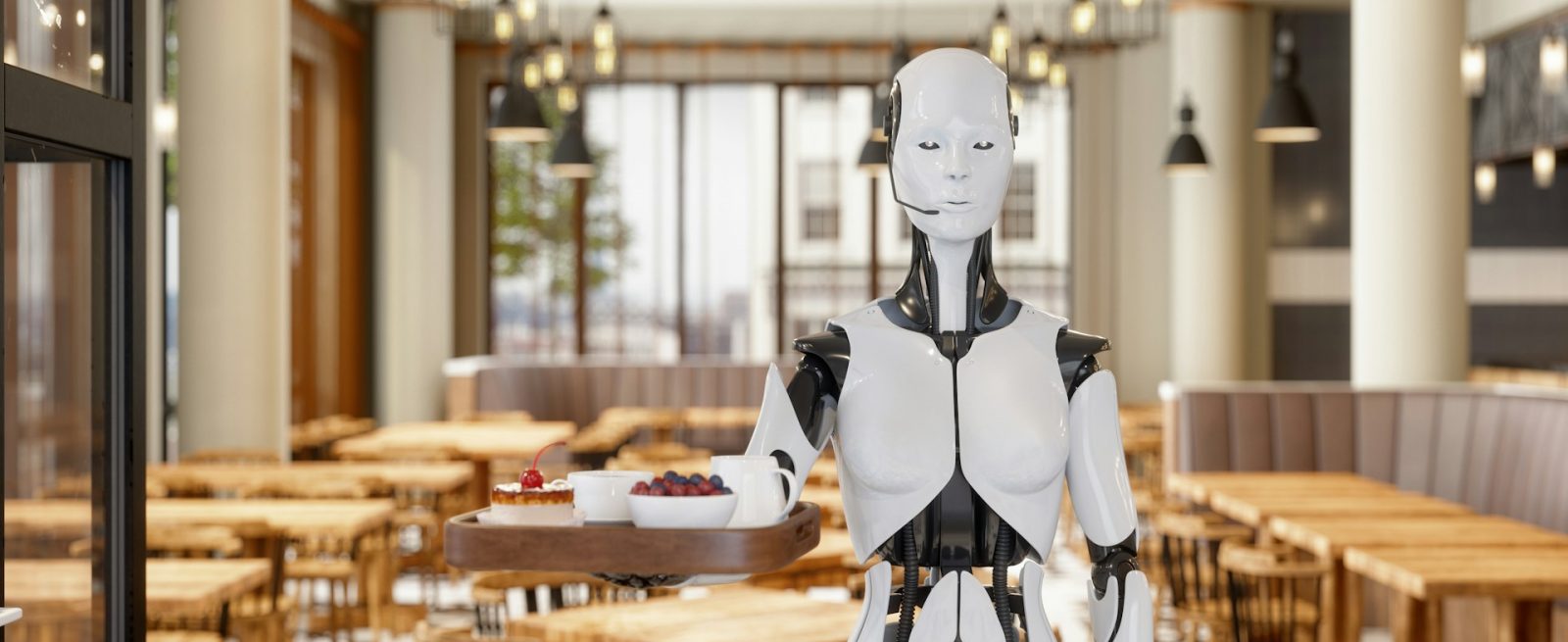
While AI has the potential to disrupt industries, it also has the power to better them. In the restaurant sector, technology can help manage reservations, optimize kitchen workflows, and improve delivery services. But for many, this shift toward automation poses concerns about job security. The idea of robots in kitchens or AI replacing servers might sound like the future, but it also brings up questions about what will happen to the people who currently work in these roles.
This fear of obsolescence is indeed real, and it’s driving a desire for stability and authenticity. Many Gen Z and millennial workers are looking for careers that offer more than just a paycheck — they want meaningful work that values human contribution over automation. In fact, 72 percent of the Gen Z cohort say they would feel more hopeful about AI if there were financial safety nets, like universal basic income. For the restaurant industry, this means that embracing AI is not about replacing employees but about empowering them. Technology can be a tool that supports creativity and human connection, instead of some kind of replacement. In fact, restaurants that strike this balance will more than likely find the most success. The businesses that use tech to improve efficiency but still prioritize a personal, hands-on dining experience, will thrive and customers will be the winners.
The Tactile Revolution
After years of converting practically everything to digital, there’s a growing movement in the direction of tangible, real-world experiences. Consumers are seeking items they can touch, feel, and experience in a manner that attempts to go beyond the screen. Take for instance 79 percent of millennials – they say they value receiving print catalogs from brands, compared to 64 percent of Gen Zer’s who keep them as décor or creative inspiration. It is not simply about “going offline” but rather about reconnecting with authenticity and realism.
In the restaurant sector, this translates into a call for sensory experiences. Customers have a desire for places that offer more than just food. They are looking for experiences that engage all their senses. It may be the flavor of a well-crafted dish, the friendliness and sincerity of personalized service, or the ambiance of a restaurant that is inviting and unique. Diners are yearning connections that are physical and emotional.
For restaurants themselves, this could translate to focusing on that which cannot be duplicated by AI or an app. Diners will be drawn back in by components such as unique menus that tell stories, spaces that are cozy, and service that is genuine and heartfelt. Frankly, consumers will never tire of these elements.
Creating Connection in an Uncertain World
Currently, some consumers may say the old rules do not apply. The economic uncertainty, employment instability, and the quickly growing influence of AI are making diners question what is real and what is important. This move is also reflected in how foodies consider restaurants. Consumers want more than a meal; they are seeking a sense of connection, a place to unwind and relax that is authentic.
This is an opportunity to stand out from the other eateries. Fight the impulse to simply optimize for efficiency or scale. Instead, focus on creating moments that are human, personal, and meaningful. The restaurants that are able to embrace authenticity, and take a step away from the digital noise of the outside world, are the establishments that will ultimately thrive.
What Restaurants Can Do
To thrive in this age of dissonance, restaurants can focus on the following:
-
Prioritize human connection: Use technology to enhance the customer experience but never replace the personal touch that makes dining out special.
-
Embrace individuality: Offer menus and experiences that reflect your unique identity and avoid the cookie-cutter approach.
-
Create tactile, sensory-rich experiences: Give customers something they can feel, touch, and experience in a way that goes beyond the digital realm.
-
Champion authenticity: In an era of uncertainty, authenticity is more important than ever. Be transparent, be real, and create experiences that feel meaningful.
So, as technology continues to grow and expand, it’s vital to not lose sight of what makes dining out great: the opportunity to connect with people, the kitchen’s creativity, and the special human experiences that will never be duplicated by machines.
To create unique dining experiences, restaurants can blend the best of both worlds: the efficiency of technology with the warmth and creativity of human touch. That’s what it will take to survive this new era.