Making Smart Restaurant Equipment Decisions
4 Min Read By MRM Staff
When Jon Jacobs opened Polliwogs Eatery & Pub in Mississippi in the late ’90s, he learned a few costly lessons when outfitting the kitchen infrastructure, particularly as the business grew and the menus evolved. At one point, his team needed new fryers, but they had unused pizza ovens. That’s just one example from his decades on the equipment and supply side of the industry, including leadership roles at TriMark USA, and serving on the Georgia Restaurant Association board,
He relies on this experience as operator, buyer and advisor in his role as president of operations for SilverChef, a provider of flexible restaurant equipment financing. Learn why he understands that equipment is a major investment, and why it’s important that it supports the menu execution, not defines it. In this conversation with Modern Restaurant Management (MRM) magazine, he discusses the need for an operations-first approach, budget adaptability, flexibility, and the risks of trying to “get by” with the wrong equipment.
What are the best things an operator can do before opening a restaurant to ensure they make the most practical decisions when selecting restaurant equipment?
One of the best things an operator can do is to try to apply their concept beyond how it’s written on paper. This can include testing the menu, mapping out kitchen workflows, and seeing where consistency and speed need to be maintained. Many operators get caught up in the concept and then make large financial decisions based on it, rather than on how it will come to life in day-to-day operations.
For new operators, spending time in comparable kitchens, speaking with experienced operators, and understanding the realities of expectations can go a long way. Equipment is a major investment, and it’s important that it supports the menu execution, not defines it. With an operations-first approach, menu decisions and equipment selections are more likely to hold up once service begins.
Is there any specific budgeting advice you can give someone?
Building a budget that allows for strategic pivots is key. We’re heading into summer, a peak time for restaurants across the country, but data show that 68 percent of U.S. consumers are reducing restaurant spending. Economic uncertainty and shifting consumer sentiment make it harder to predict profit and income, and as a result, free cash flow ensures that you can handle any challenges that come down the line.
With an operations-first approach, menu decisions and equipment selections are more likely to hold up once service begins.
Operators need adaptable budgets that allow for strategic pivots in marketing or product development should they be impacted.
Successful operators are those who can scale up or pull back without additional financial strain. Equipment is a major upfront cost, but it shouldn’t come at the expense of operational flexibility.
What are the most common missteps operators make when overspending or underspending on equipment? Are there items they should focus on more, or does it vary with the type of business?
A common misstep across all restaurant types is overestimating volume and investing in equipment that exceeds actual needs, often tying up capital in underutilized or the wrong types of equipment. On the other hand, some operators will underspend on core equipment like refrigerators, which are essential regardless of restaurant type.
The equipment needs of each restaurant will vary depending on what they plan to serve, but for many new operators, a guiding principle should be to invest in core staple equipment while remaining flexible for products tied to specific menu items. Menu items may need to change quickly in response to customer demand and interest, and operators want to avoid being locked into equipment that doesn’t adapt as the business evolves.
What lessons did you learn about selecting equipment–In what ways would you make changes?
One of the biggest lessons is that the industry doesn’t stand still. Menus evolve, customer preferences shift, and operational realities change and in many cases, faster than expected. Treating equipment decisions as permanent can limit an operator’s ability to respond to those changes.
Equipment is a major upfront cost, but it shouldn’t come at the expense of operational flexibility.
Leading with flexibility is a lesson that I would recommend all operators understand and put into practice from the start. The ability to adjust your equipment mix without significant financial consequences is incredibly valuable.
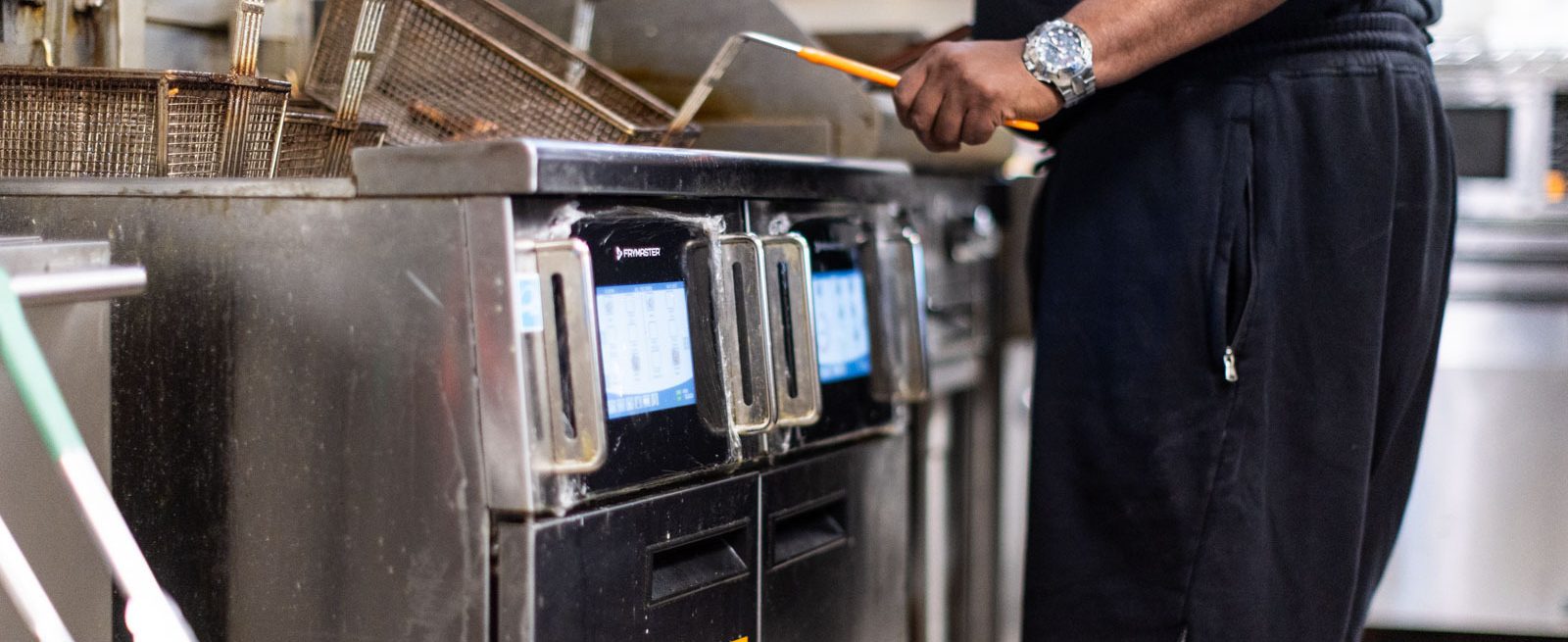
Pizzas and french fries require very different types of equipment, so operators who want to make a menu pivot would benefit from equipment financing to avoid the burden of owning expensive pizza ovens they no longer need. Flexible financing models that allow operators to try equipment before fully committing and adapt over time can reduce a lot of the pressure to get every decision right upfront.
What role does flexibility play in the restaurant equipment selection process? How does it solve common operator problems?
Flexibility is one of the most important and often overlooked considerations. Many operators starting out view ownership of all assets as key, but in restaurants, the opposite is true. Demand, staffing, and costs are constantly shifting, and many restaurants pivot or make strategic changes in response to customer feedback. Equipment is one of the largest investments operators can make, and they make it before they’ve even opened their doors or tested their menu with consumers.
A common problem for operators is sinking capital too early. Approaches that enable operators to rent, test, and scale equipment as needed help reduce risk, improve cash flow management, and create space to refine the business over time. It turns equipment from a fixed cost into an operational cost.
What are the risks an operator takes by using the wrong equipment?
The wrong equipment can slow down service, create inconsistencies in food quality, and add unnecessary strain on staff. Over time, that impacts both the guest experience and team retention.
There are also financial implications that often get overlooked. Inefficient or poorly suited equipment can lead to higher maintenance costs, increased energy usage, and using equipment incorrectly can often result in it breaking down faster. For many operators, the ability to pivot is crucial, and the wrong equipment can be a bottleneck, limiting menu improvements and ultimately restricting growth in a highly competitive market.
Drawing on your experience, what is some outdated advice new restaurant owners rely on when making equipment decisions?
A common piece of outdated advice is that owning equipment outright is always the best path forward. This may work for larger operators down the line who have an established customer base, but for many operators finding their niche, owning equipment can be a weakness. Many business owners take pride in ownership, but this doesn’t always align with the realities of today’s restaurant environment, where adaptability and cash flow management are critical.
The most successful operators today are the ones who can test, learn, and evolve quickly—and increasingly, they’re choosing equipment strategies that give them that freedom, rather than locking them into decisions that are difficult to reverse.