
Keeping Menus Relevant, Executable, and Profitable
3 Min Read By MRM Staff
Paying attention to the little things can boost efficiency, consistency, and cost savings without impacting the overall guest experience at restaurants.
“In operations, ‘little things’ are rarely little,” explained Ashley Mitchell, Chief Marketing Officer of East Coast Wings + Grill (ECW+G.) “Every garnish, every extra step in plating, every additional SKU in inventory adds up.”
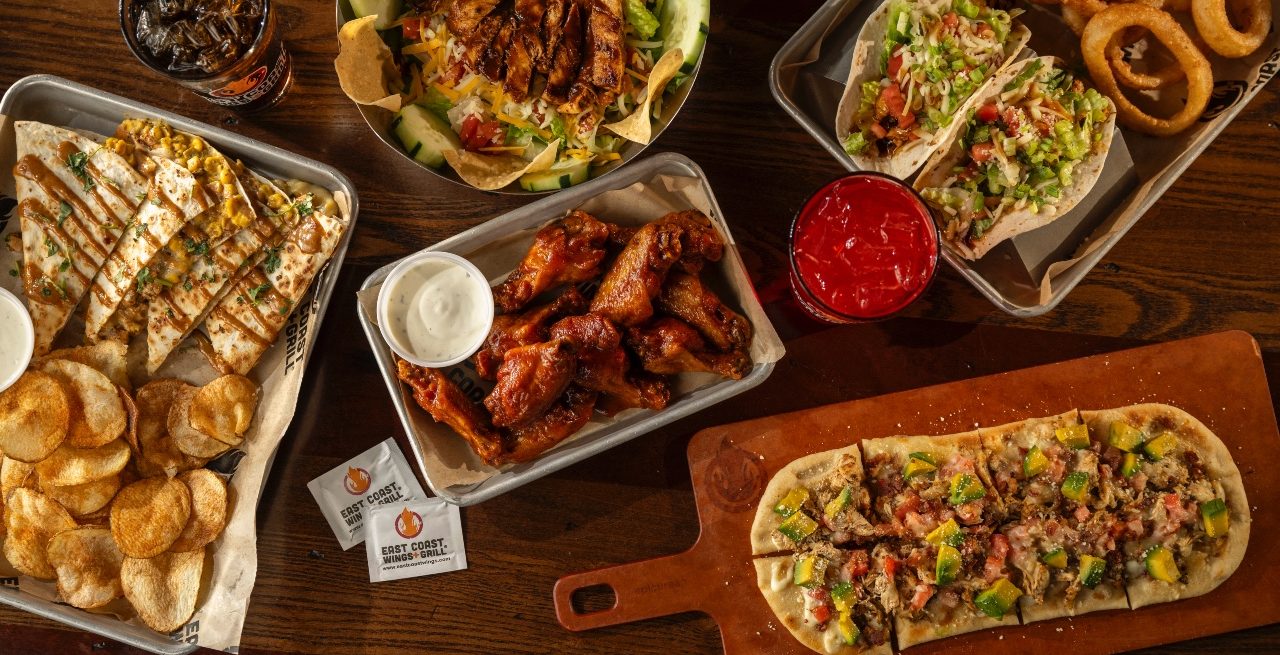
For example, through a mix of guest feedback, server observations, and plate audits, the ECW+G team noticed most guests either regularly asking for “no scallions” or picking them off their plate, so they decided to just eliminate the “default garnish” from the entire menu.
“If something is consistently being left untouched or guests are asking for it ‘on the side’ more often than not, that’s a red flag. By simplifying, we free up the kitchen to execute consistently and quickly. That improves ticket times, lowers food costs and reduces errors.”
While the team found scallions were one of the most common “default garnishes,” they were not the only ones, Mitchell said. Sour cream, raw onions and sometimes even salsa fell into the category that many guests pushed aside or requested to be removed from a dish.
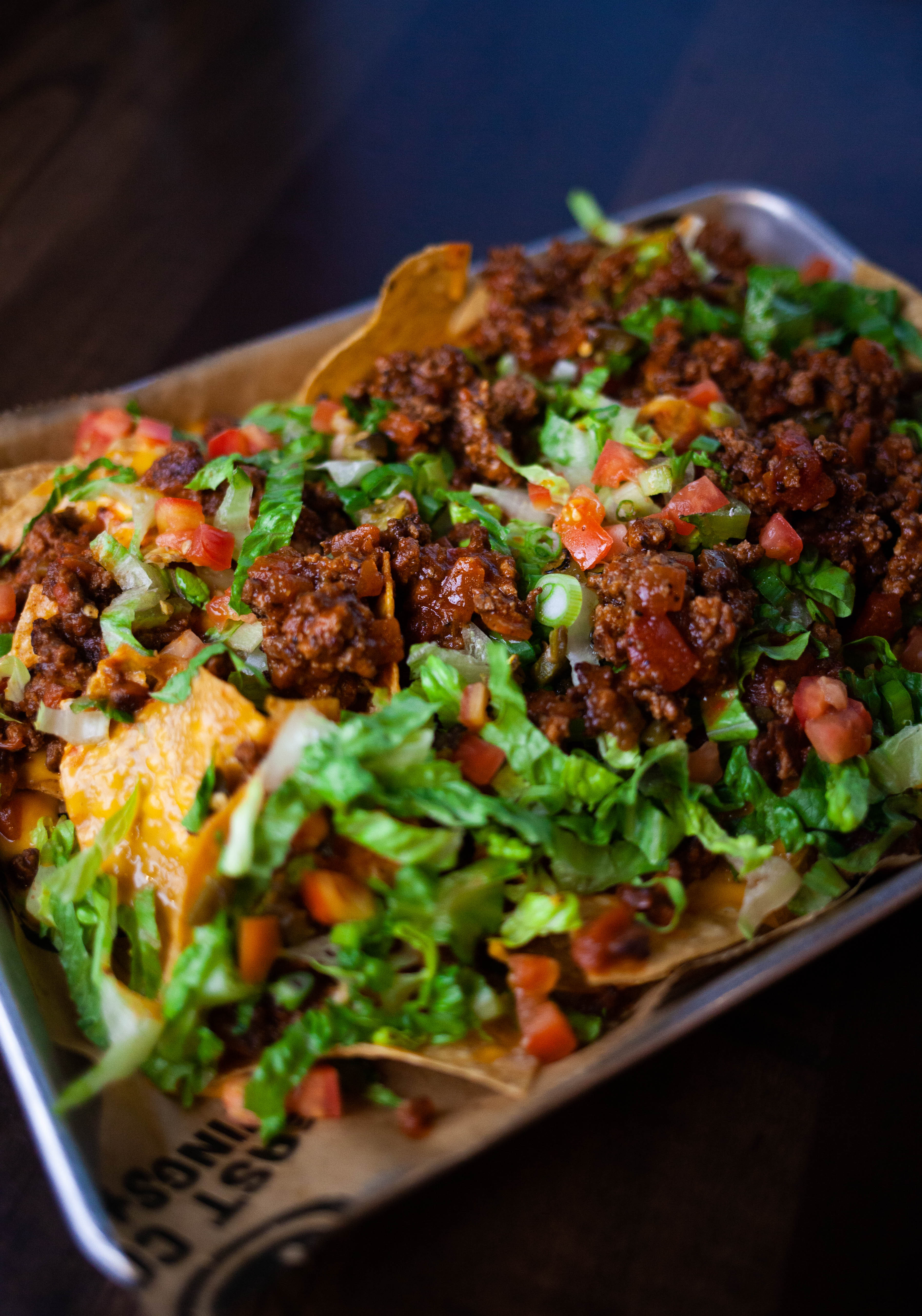
“Condiments in general are very person-specific preferences. What we’ve found is that some of these small touches were originally intended to enhance presentation. But in practice, they often add cost and prep time without really moving the needle for the guest.”
Newer data and technology offer a more clearcut view of operational trends than was possible just a few years ago, Mitchell noted. They track modifiers through their point-of-sale so, it’s telling if, for example, 60 percent of orders for a dish include a request to remove a garnish.
“The combination of hard data and operational observation gives us a clear picture. That’s how we can make changes that are backed by evidence, not just gut feel. Our team is big on data in all ways across our business.”
Once the decision to adjust is made, retraining staff is critical, Mitchell said, adding that it’s not just about removing an item, it’s about resetting expectations so that the guest’s plate still looks complete and intentional, even without that garnish.
From the guest’s perspective, nothing is lost – if anything, their experience improves, she said.
It’s about building menu review into the rhythm of the business, not as a one-time exercise, but as a continuous improvement cycle.
“The food arrives faster, it looks clean and appetizing and it tastes just as good. In fact, sometimes the absence of unnecessary add-ons allows the core ingredients and flavors to shine more. As a brand that’s all about flavor, that’s super important to our team.”
The ECW+G team takes a multi-channel approach toward menu evaluation and optimization. Servers are the frontline eyes and ears, providing invaluable feedback, while franchise owners also play a huge part because they are the ones working alongside their teams day in and day out. They also monitor online reviews and net promoter score surveys, and use targeted guest surveys around menu changes through food focus groups with loyal guests. This listening method lets guest behavior and not “menu legacy” dictate innovations.
“It’s about building menu review into the rhythm of the business, not as a one-time exercise, but as a continuous improvement cycle. That’s how you keep your menu relevant, executable and profitable.”
While there’s always a risk when a brand touches legacy items because guests form emotional connections with certain dishes, they need to balance nostalgia with practicality, said Mitchell. Ingredients that may have made sense 10 or 15 years ago don’t always fit the way guests eat today.
“By carefully reviewing legacy items, we can trim costs without sacrificing the essence of the dish. The key is to be transparent in our process and test changes before rolling them out systemwide. Sometimes that means simplifying prep without changing flavor, or eliminating a garnish that doesn’t add value. When done right, the guest doesn’t even notice a difference – but the brand benefits from stronger margins and less waste.”
Menu evaluation shouldn’t just be tied to seasonal launches, Mitchell suggested. At a minimum, brands should do a formal review twice a year, but ongoing evaluation is even better. The ECW+G team reviews menu analytics every month to see what is moving, where costs are at and if anything can be improved.
“We meet with our partners to look at innovations of things we can add to our menu constantly. Our supply chain team is always bringing new ideas to the table. Consumer tastes evolve, supply chain dynamics shift and labor models change. What worked last year may not work this year.”