
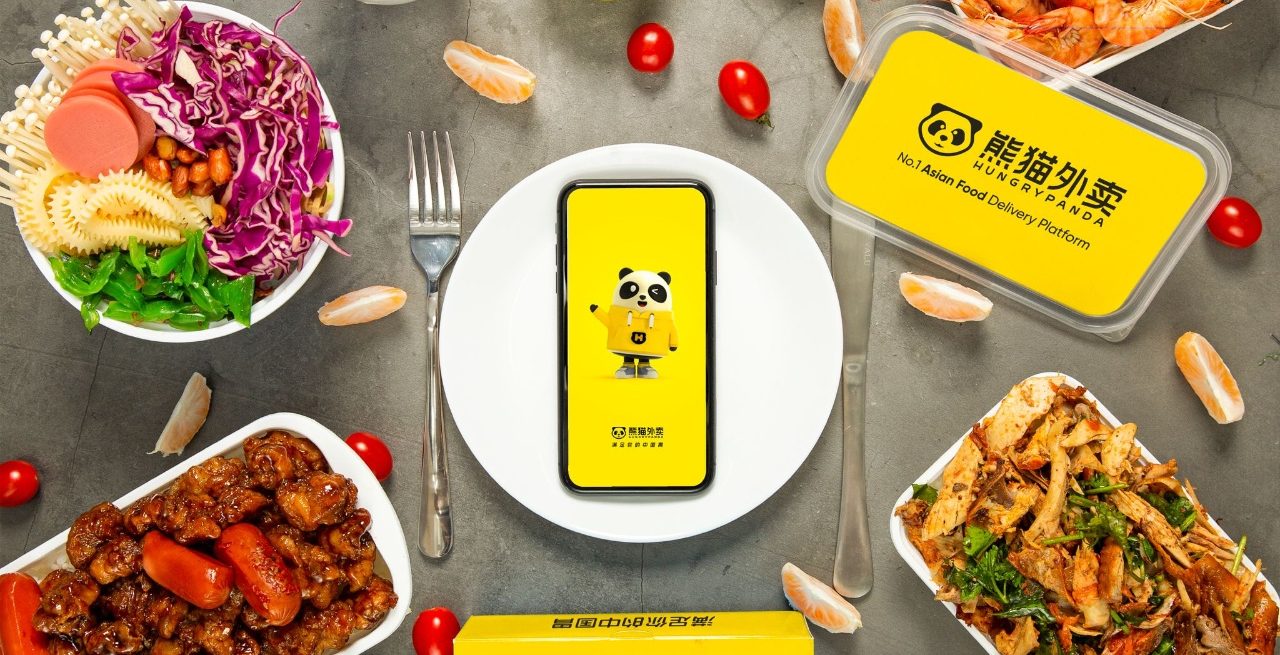
Hyper-Regional Authenticity Is Defining Asian Food in 2026
3 Min Read By MRM Staff
Asian cuisine is leading cultural and culinary shifts. For example, black sesame, a staple in Asian cuisine, was named as a “standout flavor” in Yelp’s 2026 Food & Drink Trends Forecast. Approximately 34 percent of new menu items launched in 2024 featured Asian-inspired flavor profiles or cross-regional blends such as Korean-Mexican tacos or Thai-Indian bowls.
Consumer expectations in a couple interesting ways, explained Kitty Lu, Director of Public Affairs at Asian food delivery platform HungryPanda.
“Traditionally, Chinese food has been about being affordable, fast, and accessible. But now, we’re seeing a shift, especially with dining in, towards a more high-end, exclusive experience. People are expecting that elevated feel, even from something that used to be considered ‘everyday’ food.”
Authenticity is becoming super important even on the delivery front, Lu said, adding that there’s a dual trend: more premium experiences for dining in, and more authentic, region-specific flavors for delivery.
“Consumers are really paying attention to where the food comes from. They used to just know hot pot as a general dish, primarily of Sichuan style, but now more people are interested in specific regional flavors. There is hot pot from Chongqing, rice noodles from Kunming in Yunnan, to name a few, so the flavors are becoming more precise and more localized. It’s not just about Chinese food in general anymore; it’s about city-level specificity.”
The HungryPanda team identified four key trends shaping consumer choices: food as identity; hyper-regional cuisines; customization; and sensory maximalism.
“Together, these trends reflect a shift toward more intentional, immersive, and emotionally connected dining, something Asian food culture is uniquely positioned to deliver,” she said, noting that the top five most ordered dishes on the platform tell a very clear story:
-
Rice Noodle Rolls (Chang Fen): Topping the list, this dish features a silky texture and highly customizable sauces. Rooted in Cantonese food culture, it’s a dim sum staple that highlights tradition.
-
Farmhouse Stir-Fried Pork (Nongjia Xiao Chao Rou): This dish embodies rural life and family-style cooking, resonating with consumers who crave authenticity, or a taste of home that reinforces their identity.
-
Spicy Fragrant Pot (Mala Xiang Guo): Ranked third, it’s experiential, allowing diners to pick their own ingredients—proteins, vegetables, mushrooms, tofu, noodles—and control spice levels.
-
Pickled Fish with Chili (Suan Cai Yu): This classic Sichuan dish that is less known outside of China. It delivers a complex balance of sour and spicy flavors.
-
Lamb Skewers (Yang Rou Chuan): These skewers bring street-food energy and a social, shareable experience.
Lu said HungryPanda supports these trends because the company was built around serving Asian communities and authentic Asian food culture. Customization is built into the app giving customers the ability to adjust spice levels, toppings, or ingredients, making it easy to personalize orders without sacrificing authenticity, she added.
“We partner with restaurant owners deeply rooted in their communities, so customers can enjoy the flavors they grew up with or discover genuinely traditional dishes. We excel at hyper-regionality, offering specific cuisines, dishes, and specialties that let people explore regional flavors and understand where the food comes from.”
Proper packaging really matters for Asian cuisine, whether it’s keeping textures right, separating components, maintaining temperature, or making sure interactive dishes like hot pot work at home and that attention to detail makes a big difference to the overall experience, said Lu.
“Right now, people aren’t just after a meal, they want an experience, something that feels immersive and a bit special. And that actually fits Asian food culture really nicely, because there’s a lot of depth and diversity in flavors, techniques, and regional traditions.”
For example, a hot pot or a rice noodle dish is about discovering the story behind it, the city it’s from, and the way it’s prepared, noted Lu.
“So when restaurants highlight those regional touches, or bring in interactive elements, it’s like giving people that full-on experiential dining experience, but in a way that’s super authentic to Asian cuisine. It’s turning food into a little journey, which is exactly what people are craving.”