How Statement Art Builds Brand Identity
3 Min Read By MRM Staff
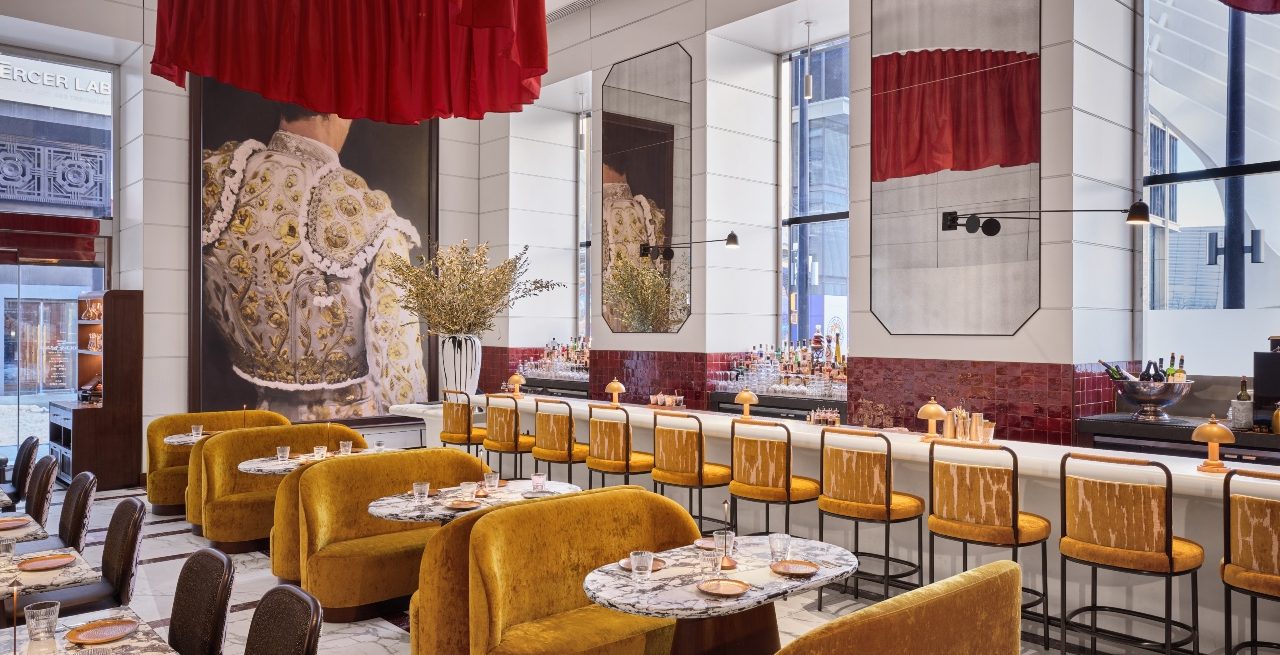
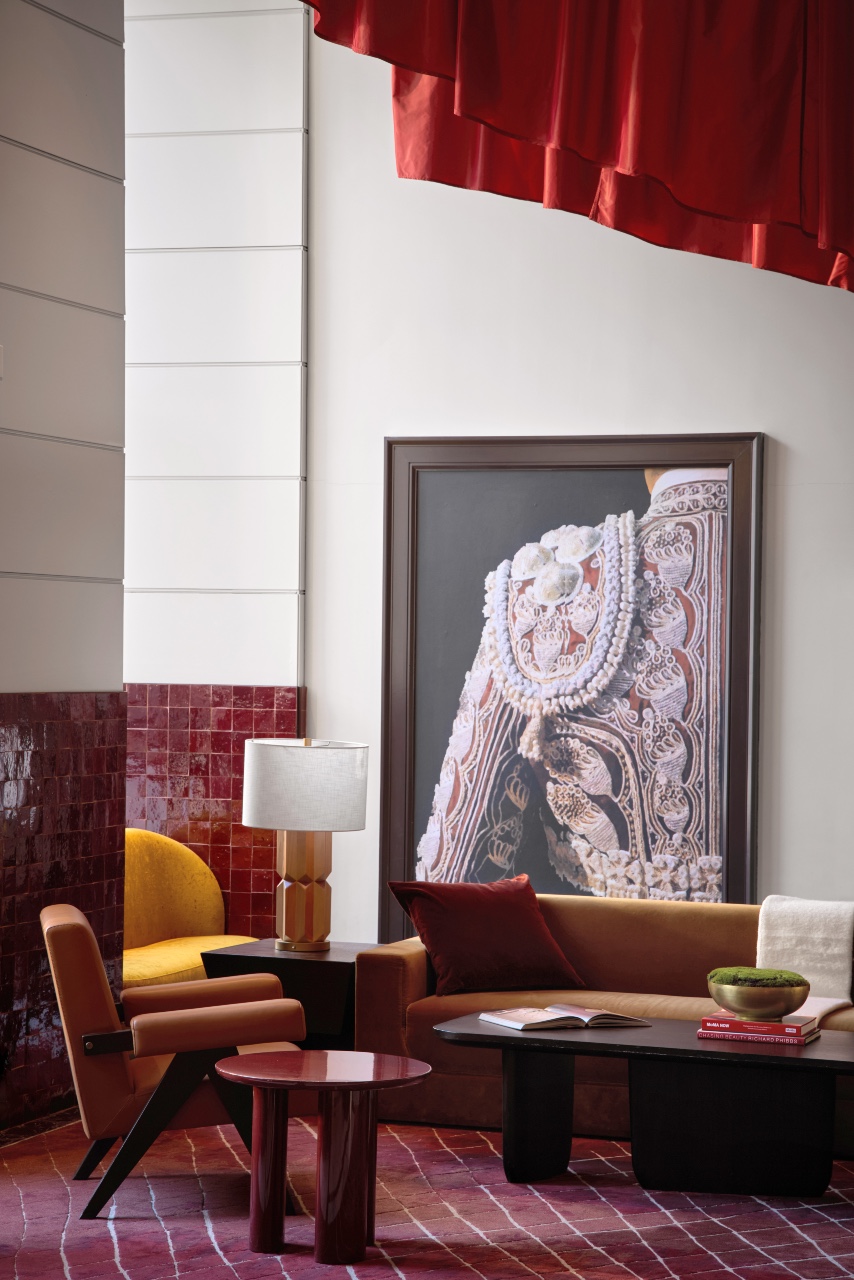
Large-scale matador artworks at Beast & Butterflies Downtown restaurant bring the restaurant’s Spanish-inspired concept to life. The dramatic designs echo that heritage and spirit as well as create a stronger connection between what guests see, feel, and taste, explained Krista Birnbaum, Senior Art Curator at Eaton Fine Art, which curated the art collection for the restaurant located within the reimagninged M Social Hotel New York Downtown in the Financial District working with interior design firm Mazzarini & Co.
Diners are looking for places that feel special and memorable and statement art helps restaurants stand out while giving guests something to connect with, in addition to the food and beverage menu, she noted.
“People want more than a meal when they go out. They want an experience they’ll remember. A thoughtfully curated art collection helps create that feeling the moment a guest walks in. It sets the tone, creates energy, and gives the restaurant personality without distracting from the chef’s creativity. Art helps create that emotional connection. It adds personality, sparks conversation, and helps transport people into the concept.”
Express the Concept through Art
For the Beast & Butterflies project, the design team had a clear vision from the start, which helped create a smooth and thoughtful collaboration, Birnbaum said.
“The best partnerships are collaborative from day one. We see ourselves as part of the creative team. Our collaboration is to understand the concept and then express it visually through art. That means learning about the cuisine, the neighborhood, the atmosphere they want to create, and what makes the brand unique. Once we understand that story, we can curate art and accessories that feel natural and authentic to the space.”
While every project is a little different, it usually starts with listening and spending time understanding the operator’s vision, the design direction, the target guest they want to attract, and the feeling they want people to have in the restaurant, she said. The next step is curating a collection that support the story.
“Large-scale art can be incredibly exciting, but it has to be handled carefully. It needs to fit the room, work with the lighting, and enhance the guest experience rather than overpower it. Restaurants are active spaces, so you also have to think about traffic flow, durability, acoustics, and sightlines. When done right, large-scale art becomes a moment guests remember.”
Strong Design Tells a Story
The strongest restaurant design tells one complete story, Birnbaum said. If the menu is inspired by a certain culture or culinary tradition, the art collection can reinforce that.
“We want guests to feel like they stepped into somewhere special. The ideal experience is that everything feels connected: the design, the art, the food, and the mood. If someone leaves saying, ‘That place had such great food and energy,’ or ‘I can’t stop thinking about my meal and that space,’ then we’ve fulfilled our creative collaboration.”
Restaurant projects tend to be more immediate and sensory than other hospitality space, Birnbaum added.
“Guests are taking everything in at once; that includes the lighting, the sound, the food, and the design. So the art has to work beautifully in that moment and contribute to the atmosphere right away.”
Art and Food Speak the Same Language
Birnbaum advises operators interested in integrating art into their space to consider art as part of the overall concept, not something added at the end.
“Be clear about your story. What do you want guests to feel? What makes your restaurant unique? Once you know that, the right art choices become much easier. Also, don’t be afraid to be bold. Guests remember places that feel original, warm, and full of personality.”
Restaurant staff should be trained to tell guests about the art selections in a natural and simple manner. Something as easy as sharing that a piece was chosen to reflect Spanish culture or that the art ties into the neighborhood story can create a deeper connection for guests, she noted.
“The restaurant staff doesn’t need a long script. Just a few genuine talking points can go a long way. As we’ve noticed in curating art collections for hotels and resorts, guests love learning the ‘why’ behind a place.”
A curated art collection can complement many settings, but it especially resonates in lifestyle hotels, chef-driven concepts, destination dining spots, rooftop venues, and urban markets where competition is strong, Birnbaum said.
“In cities like New York, Las Vegas, or Miami, guests have endless choices. Strong design and a thoughtful art collection can be what makes someone choose your restaurant and also come back. When the art and food speak the same language, the whole experience feels much richer.”