Guests Want High-Value ‘Worth-It’ Experiences
6 Min Read By MRM Staff
Hotel F&B programs require a multitude of interconnected signals that move together like a Broadway show, said Zach Wendel, Corporate Director of Food & Beverage at Concord Hospitality, a hotel management, ownership and development company that manages and develops over 140 properties. When done right, everything in the restaurant feels deliberately connected: the lighting matches the mood, music fits the concept, cocktails tell a story, and the staff knows the narrative.
“When the guest leaves saying, ‘That was worth it,’ they're not talking about the menu item. They're talking about how awesome that experience made them feel. The best signals we look at as an operator and say wow this is working boil down to a few things: repeat guests, social media sharing (selfies tagging the restaurant/rooftop), requests for specific servers or bartenders, and dessert.”
The lines have been blurring between hotel and standalone restaurants, Wendel noted, adding that economics, the guest expectations, and the talent pools are changing at the same time, pushing them into the same lane. Fifteen years ago, hotel restaurants served hotel guests first, relied on those hotel guests, and focused on convenience and consistency, while standalones won business through their reputation, had way more culinary freedom, but lived and died by the local traffic.
The Distinction Has Blurred
“Nowadays that distinction matters a lot less. Hotel restaurants are becoming those destination restaurants,” said Wendel. “Our own concept shift reflects that; now when we are building out restaurants we think ‘would someone drive here even if they weren’t staying at the hotel?’”
Guests don’t care who owns the building, he said. For example, a rooftop bar inside a Marriott competes with every rooftop bar in the market. A hotel Italian restaurant competes with every Italian restaurant in the market.
“The hotel affiliation has become largely invisible to many diners and standalone restaurants are doing the same thing, restaurants are becoming hospitality brands, hotels are becoming restaurant brands, and this middle ground is getting crowded. The winning hotel restaurant of the next decade will most likely be the best neighborhood restaurant, the best rooftop bar, the best cocktail destination, the best brunch spot, that just so happens to be connected to a hotel.”
Many ownership groups increasingly expect F&B to improve the hotel positioning, contribute to ADR perception, create destination appeal, and produce meaningful profit, said Wendel. He has been building Concord’s success metrics from cover growth, average check, beverage per cover, hotel guest capture, RevPASH, pushing to be more street smart, and vise versa.
Focus on Buildable Events
Events including chef takeovers, collabs and experiences have the potential to become community traffic drivers not just one-offs, Wendel believes.
“Most chef collaborations really focus on the attendance, instead of the creation of a relationship between the restaurant and the guest. So instead of thinking how do I make sure we fill this entire space, it needs to be how do I turn 60 attendees into 30 repeat guests. These collaborations need to be viewed as a cross-pollinating customer acquisition tool, not a revenue event. The revenue will come, not yet, but do this right and it certainly will.”
Guests don’t build habits off a singular one-off experience, so turn it into a series, he suggests. Build out a passport-style attendance tracker that the guest takes with them, monthly chef collabs, now guests become followers of the series, not just attendees of one dinner.
For example:
Monthly: winemaker dinners, guest chef series, cocktail lab, etc
Quarterly: BBQ festival, rooftop sunset season, harvest dinners,
Annually: Winter Market, Signature Food Festivals, local Makers Markets
“It is so important to develop community anchors, not celebrity moments,” Wendel said. “I train a lot about guest rhythm, guest’s cadence, we sit outside and watch the local habits of the people walking down the street by our hotel restaurants all the time.Those people walking down the street by your restaurant – they will start putting those events on their calendars. stop tracking KPI’s for these activations/events by attendance and revenue, and start tracking it by new guests acquired, percentage of them returning within 30 days, email list growing, social followers gained, return visit spends, local guest/hotel guest ratio.”
When it comes to attracting different demographics, he has noticed key generational preferences that each create unique value propositions.
Gen X = Comfy seating, perfectly executed steak, paired with an excellent wine recommendation from the sommelier, seamless service.
Millennials = Chef driven concepts, brunch, shareable dining, elevated casual environments. It should feel premium but not feel pretentious.
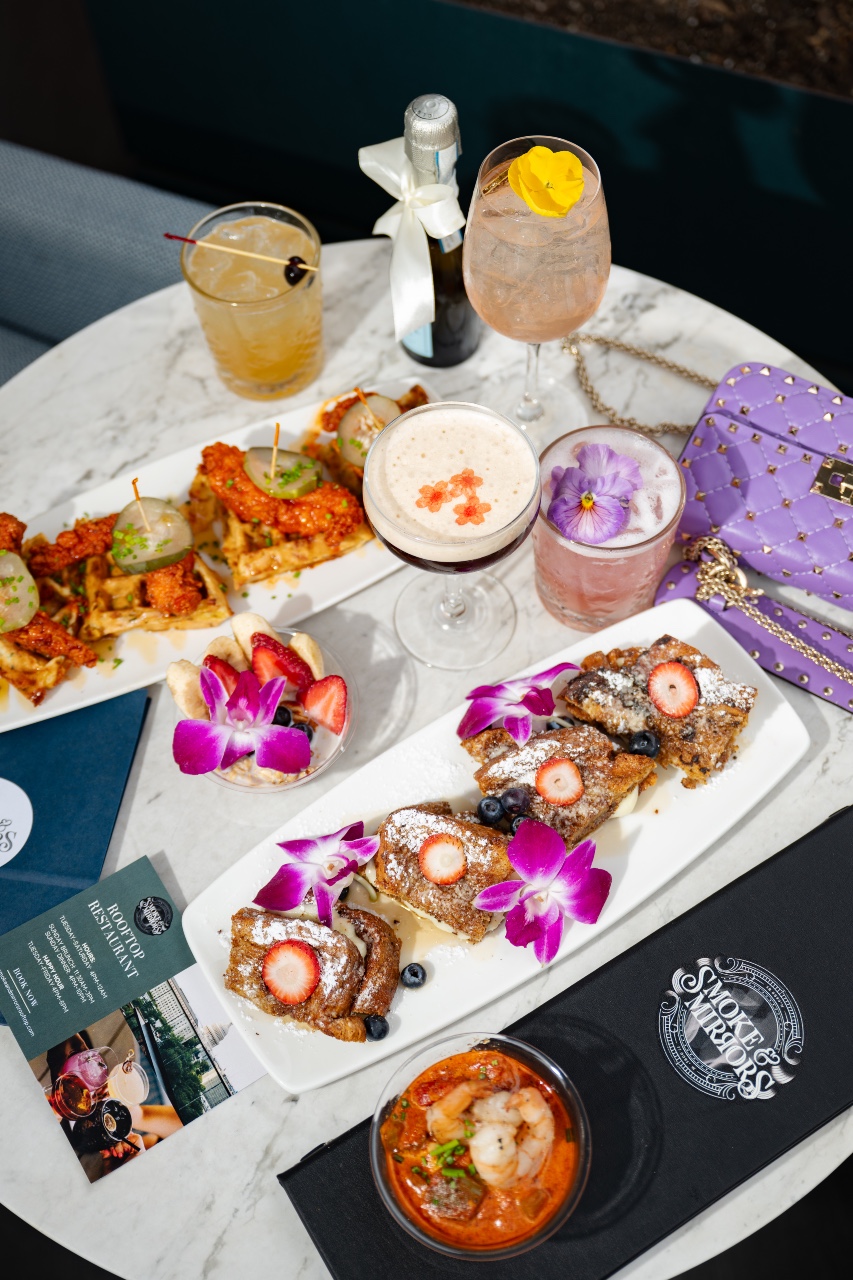
Gen Z = Unique, limited time offerings, experiential cocktails, rooftop venues, authentic interesting flavors. A $19 signature cocktail with a story and a skyline beats a generic $14 martini. Expensive does not equal value, memories equal value, he noted.
Every Guest Deserves a Beverage Program
Operators should be intentional when developing their beverage programs because every guest deserves one, Wendel said.
“In the past, drinkers got story telling, cool rituals, an old fashioned in smokey boxes that smelled like my childhood home’s fireplace … meanwhile non drinkers got water, soda, iced tea, boom here you go. Why are we giving an entire segment of our guests a worse experience? Winning in today's society is treating zero-proofs as drivers of inclusivity, check avg, relevance, and brand differentiation, all at the same time. We position zero-proof offerings right alongside our premium spirit as a deliberate revenue and guest experience driver.”
The hyper local trend, and zero proofs are almost like the perfect pairing, he added because it’s not “mocktail #1” on the menu…it’s “a blackberry basil smash featuring berries from the farm two miles away.” Do it right and a nice $9-$14 cocktail can generate margins to that of an actual cocktail.
“Regional ingredients, community partnerships, storytelling. The ingredients become the story, the story becomes the experience, and the experience is what supports premium pricing. Guests will absolutely pay for thoughtful, local, handcrafted and memorable. They most certainly won’t pay $16 for juice in a coupe glass and call it innovation.”
Building a Better Program
If you’re starting a beverage program, more is not always better, Wendel cautioned,noting that he’s still seeing operators making the classic mistake of launching a beverage program with 12 cocktails on it. Instead he suggests:
- Build three signature cocktails: one local hero, one crowd pleaser, one seasonal rotator.
- Create a zero proof section, not a single mocktail, but an actual section.
- Start talking to local partners such as honey producers, farms, tea companies, distilleries, breweries. You should know them by their first name, because all of those relationships build into: turning your beverage program into programming.
“The strongest bev programs become experiences. Monthly cocktail labs, spirit free happy hour, local producer showcase, brewery spotlight month, distiller take over series, spring, summer, fall, winter beverage releases. The next generation of Concord’s beverage program will be built around identity. We’re the program that celebrates local farms, local craftsmanship, seasonal ingredients, and inclusive drinking experiences. It transforms the beverage program from a bar menu into a reason to visit, and that’s what I chase.”
Market for Identity, Not Amenity
Even if the distinction has blurred, hotel restaurants often have a stigma of not being seen as a dining destination for locals. To combat that perception, make the restaurant the hero, not the hotel because the strongest hotel F&B concepts position themselves as that standalone destination with their own story and local relevance, Wendel said.
“People aren’t making plans saying ‘let's go to the Marriott tonight.’ No, they are saying ‘Let’s go to Whiskey Charlie, let’s go to High Rail, let’s go to Toscana.’”
A few other bits of advice: If you’re trying to position your hotel restaurant as a standalone concept, stop marketing it like a hotel amenity and nothing screams community investment louder than putting local names on the menu, he said.
“The restaurant needs its own identity, not the hotel’s identity,” said Wendel. “Locals pick this stuff up right away. Generic hotel directional signs, you got no street presence, empty lobbies between arrivals and departures, no local events, big red flags here. If someone walking by can’t easily tell if a restaurant exists, it will always struggle to become a local destination. Interactive experience-based events, community building opportunities, our goal is for locals to say ‘oh yeah, that’s where they do the monthly chef series.’”
When it comes to marketing and social media, Instagram is the signage, TikTok is your billboard, and Google reviews are the engine, Wendel said. Signage matters, marketing matters, social media matters, community involvement matters. They are the amplifiers.
“Please don’t post room packages, hotel promotions, or meeting offers on the restaurant’s Instagram account. Locals follow people and stories, they don’t follow hotel F&B. The locals won’t adopt a restaurant because it’s inside a hotel, they’ll adopt it when it becomes part of their rhythm, part of their social life, and part of the stories they tell about their city.”
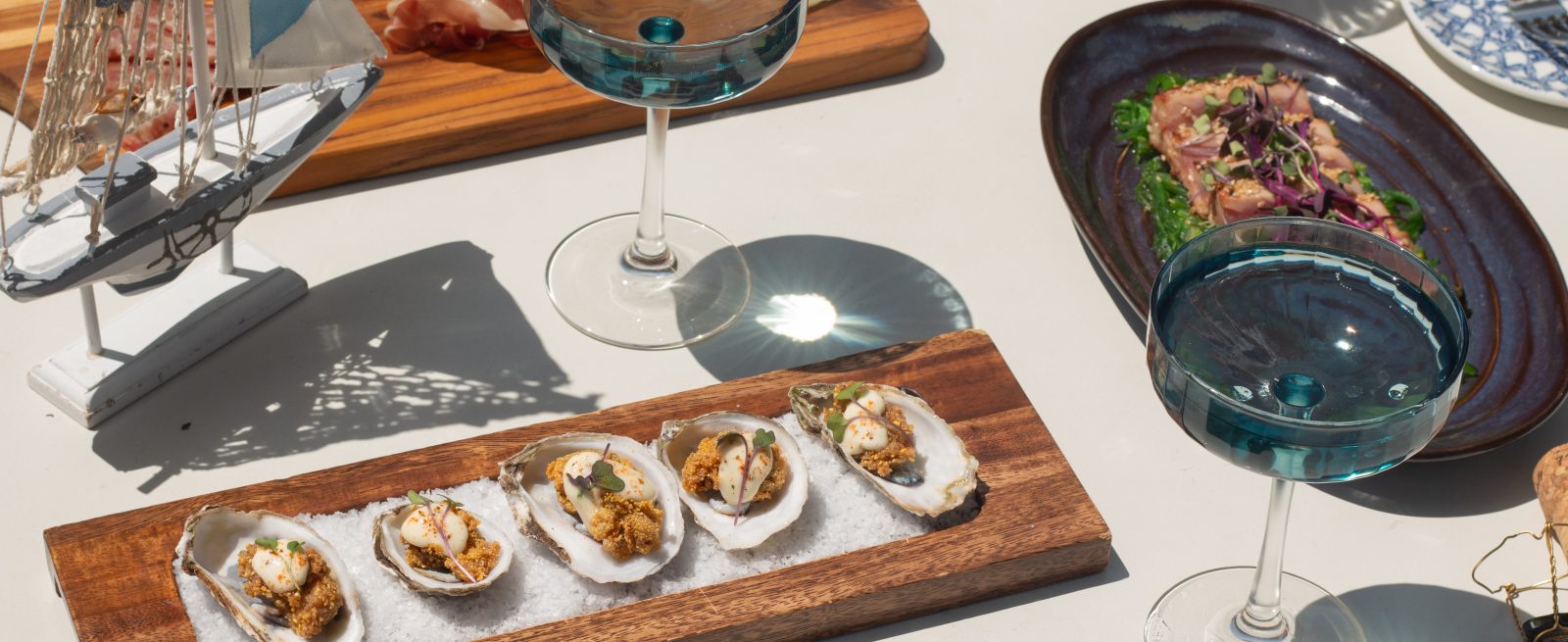
Top photo: Overstory