
Consumers Demand Value, Yet Want to Splurge
2 Min Read By MRM Staff
A paradox was uncovered by Revenue Management Solutions (RMS) in the Q1 2026 QSR traffic and sales trends: while value remains a primary concern, diners are willing to splurge when it comes to upgrades or indulgences including specialty beverages and higher protein.
Younger consumers are doing most of that splurging. RMS data shows nearly half of Millennials are willing to spend more on meals that emphasize protein and Millennials over-index on specialty beverage interest as well. Gen Z is right behind them.
“These two generations are also the ones increasing their restaurant frequency in 2026, even as the broader market pulls back,” RMS Senior VP of Consulting Services Richard Delvallée said.
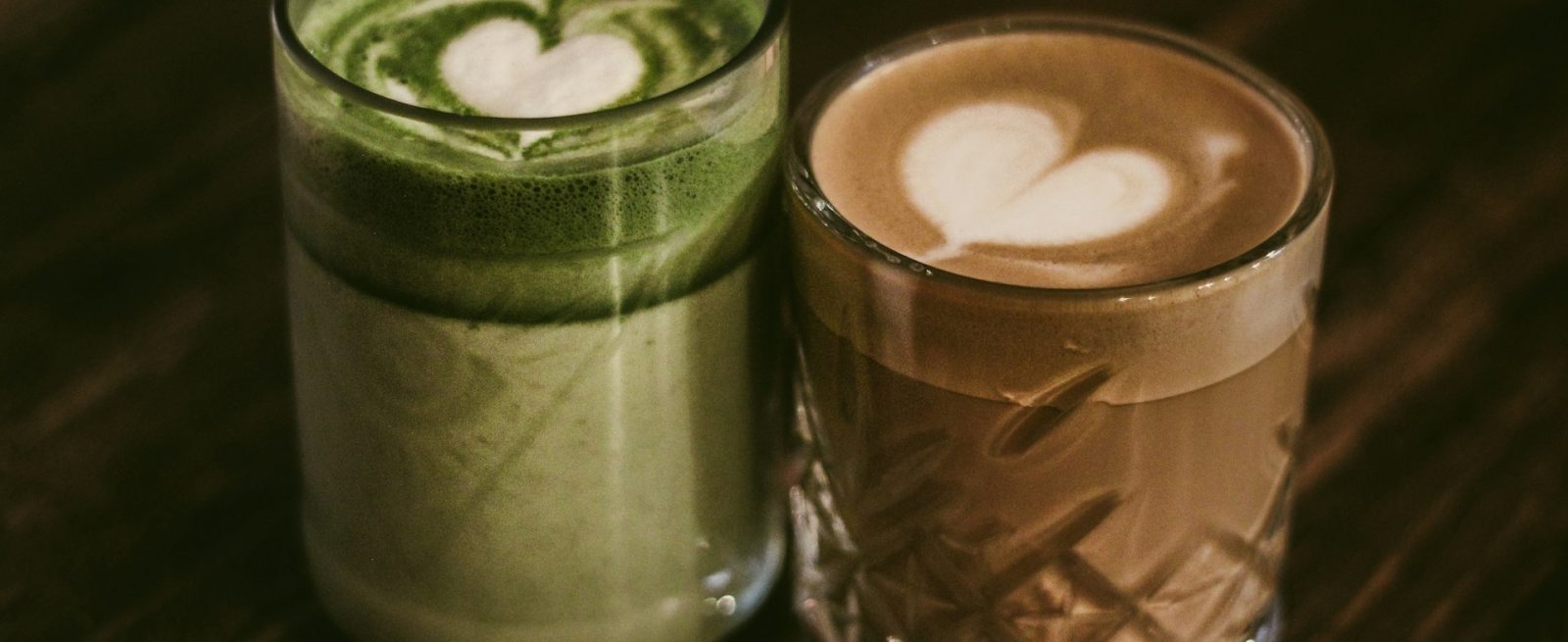
RMS research shows a strong interest in specialty beverages. Nearly eight in ten consumers are aware of newer categories like prebiotic sodas and almost half of guests would pay a premium for them. In the survey of 850 consumers, 28 percent said they order a specialty beverage once a week or more, and they’re willing to splurge; more than one-third will pay $8 or more.
That said, less than half have actually ordered one in a restaurant. About one in four have tried a mocktail in the past six months, even though one in five say they would like to try one.
“That gap shows awareness alone isn't enough to drive orders,” he noted. “How these items are presented and positioned could help turn interest into sales.”
Protein follows the same pattern. The 2026 Protein & Fiber Playbook reports that 38 percent of guests would be willing to pay more for a high-protein meal, and nearly 50 percent would switch restaurant brands for meals with higher protein.
Value remains a main deciding factor for consumers. Sales rebounded in the first quarter, up 2.1 percent YOY compared to a low in Q4 2025 of -0.4 percent. RMS data across more than 50,000 QSR locations shows that average price stabilized since Q2 2025 despite rising costs of oil, beef and other ingredients in the same period.
“Guests are still building a full order, but they are shifting toward LTOs, bundles and lower-priced items to keep the total in check,” said Delvallée, adding that promotions and offers are doing the heavy lifting on QSR traffic. “The brands winning right now are not chasing volume with broad discounts. They are making targeted, data-driven decisions about which items can take price and which need to anchor value. Brands that achieve balanced growth are deliberate about where they take price, where they reinforce value and how that shows up to the customer.”
The 2026 FIFA World Cup is a real opportunity, but the data shows the lift is uneven, he suggested. RMS analysis of transaction data across more than 7,000 US restaurant locations, combined with prior World Cup and Super Bowl benchmarking, shows host-city restaurants near fan-flow corridors can see sales increases of eight to 20 percent,while in non-host markets with high soccer engagement, restaurant sales actually declined 1.4 percent during prior tournaments, as local fans stayed home to watch.
For operators, the opportunity is in better preparation, said Delvallée.
“Map your position against fan movement, not just proximity. Decide whether to compete for the viewing occasion with watch-party experiences, or own off-premise with group bundles and delivery. Plan around broadcast schedules and use match-day menus, group-friendly bundles and beverage pairings as part of your menu strategy to increase traffic and protect margins.”