
Compounding Value: Blending Butter for Maximum Menu Impact
4 Min Read By MRM Staff
Butter has always been a kitchen staple traditionally treated as a side or add-on, but its role on the plate is shifting and it has the potential to be a core driver of craveability, premium perception and perceived value. Consumption was at an all-time high in 2024, rising 21 percent in the past 10 years, according to the U.S.Department of Agriculture, and data from Rubix Foods, Menu Concepts + Cravings Survey shows that one in five consumers want to see more flavored butters on menus.
Datassential reports flavored butters including Honey Butter and Lemon Butter have seen double-digit growth on U.S. restaurant menus in the past four years and among operators who use butter regularly, 50 percent use it for savory applications and 43 percent use it for sweet applications.
“Compound butters allow consumers to experience flavor at the intersection of comfort and exploration,” explained Shannon O’Shields, VP of Marketing at Rubix Foods. “A familiar base with a bold twist, like buffalo, garlic parmesan, hot sauce or miso, is on the rise, and gives consumers a discovery moment without it being a completely unfamiliar dish. It’s new, but still safe enough to order.”
Simple, but Versatile
The beauty of compound butter lies in its simplicity as it offers a versatile yet flavorful addition to any menu, no matter the application or daypart, she added.
“The core technique comes down to folding in inclusions like acids, aromatics or sweeteners to a stabilized butter system so that every dollop or drizzle delivers a consistent flavor. It’s just as important to make it executable in a busy kitchen. Pre-portioning compound butter, using spreadable and squeezable formats or building it into a finishing step can help operators control both consistency and cost. Stretching butters with complementary ingredients or flavors can deliver the same rich experience at a lower cost, in a format that is easier to portion, hold and apply on the line.”
Using compound butter in meal prep can also help drive perceived value because price isn’t the only thing that indicates value for consumers, O’Shields said.
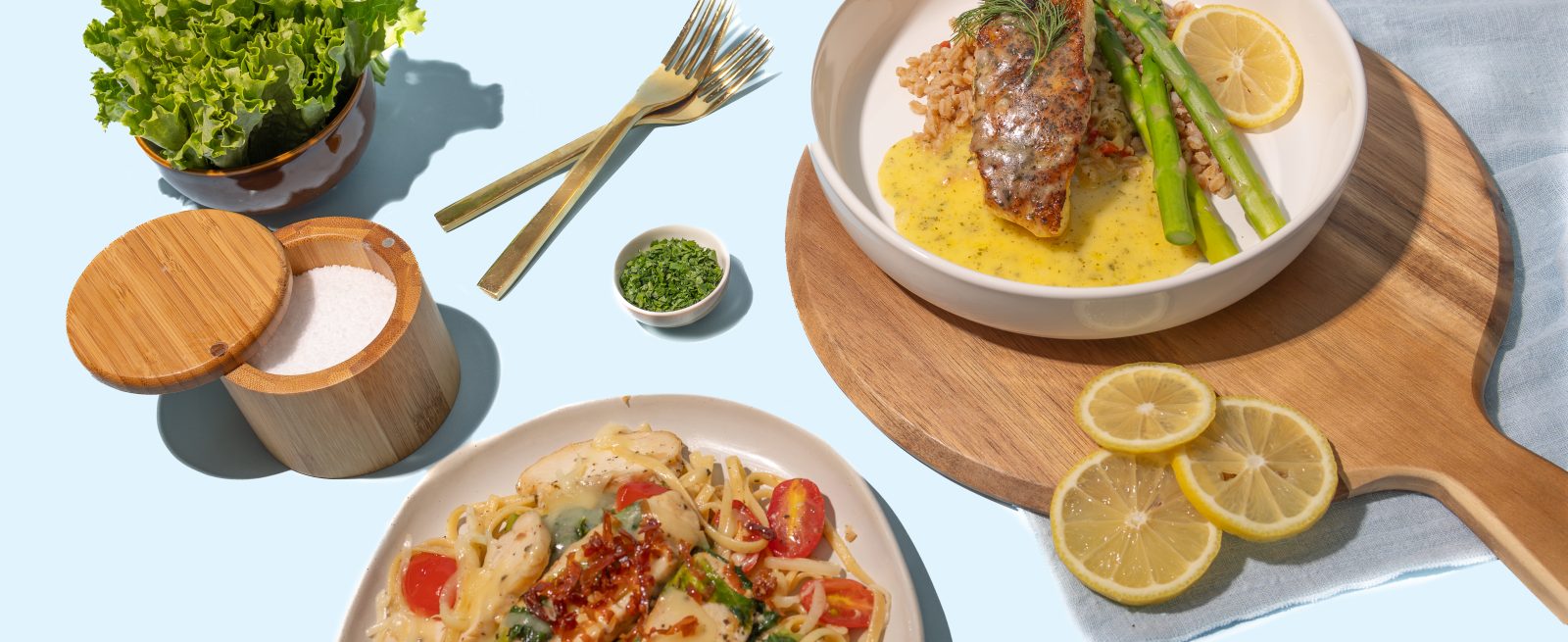
“The gap in price between a premium QSR meal and a casual FSR meal has nearly closed, so guests want every dollar to feel well spent and they want to see it reflected in the experience. That’s where compound butter wins. It’s not just another sauce. It’s something more intentional, with real ingredients that took real effort – something that feels crafted, not just assembled. A roasted garlic butter melting over a steak or a honey butter on your breakfast sandwich doesn’t just add flavor, it adds presence, aroma and richness, and has a visual payoff.”
Additionally, butter reflects the growing appeal of “pastoral eating” with straightforward ingredients that feel comforting and indulgent.
“Operators aren’t just tossing a sauce packet in a bag, they’re delivering a more elevated flavor system without adding unnecessary complexity. For consumers, it feels natural, familiar and indulgent in a way that justifies the spend.”
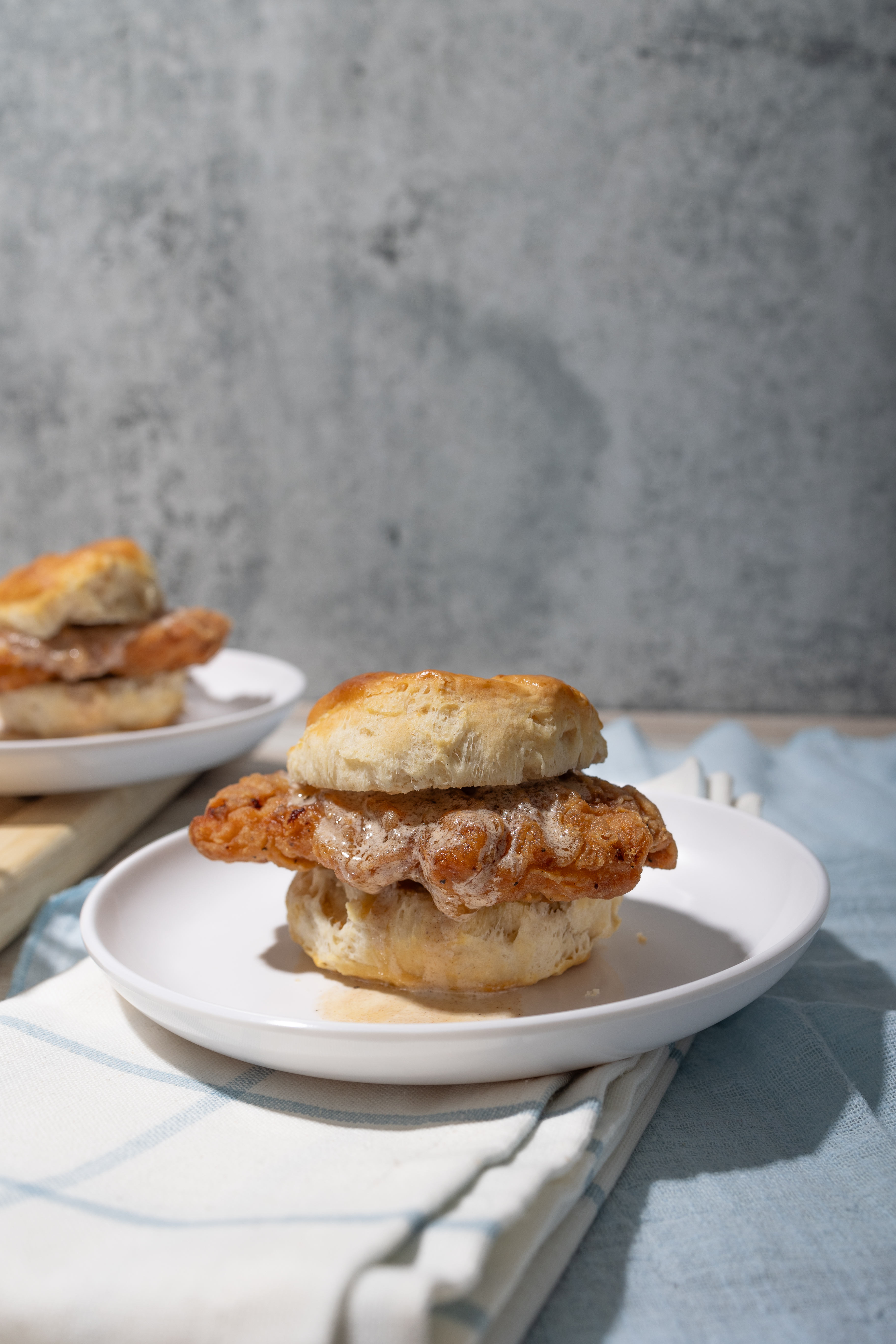
Photos courtesy of Rubix Foods
The Impact of Social Media
Social platforms are also fueling interest in butter with more than a million #butter posts highlighting all kinds of combinations. Butter being in the mix tracks completely with where consumer curiosity is right now and it was inevitable it would be trending, O’Shields said.
“It's such a sensory-driven ingredient that allows a ton of experimentation. Whether it's a #ButterBoard or watching a compound butter melt on a sizzling hot steak, it creates an almost theatrical, high-definition food moment that resonates well with social audiences.”
While operators can benefit by responding to viral trends in the short-term, the real win is when a trend becomes a gateway to something more permanent, she noted, adding that social media has compressed the trend timeline to the point where flavors can go from niche to mainstream overnight, so operators need flexible platforms instead of rigid recipes.
“Butter is a natural builder – it’s strong on its own but easy to layer with flavor extensions, which makes it an ideal platform for testing ideas quickly. Whether it’s chipotle or chimichurri, which are both seeing projected menu growth of over 65 percent, or something emerging, operators can tap into real-time trends as LTOs and, if it resonates, evolve them into lasting menu staples.”
By using it as a base, culinary and R&D teams can pivot the flavor profile quickly without disrupting the primary ingredient, she said, as this creates long-term benefits while still innovating based on changing consumer trends.
Another suggestion is to take mid-performers, those items that aren't broken, but aren't buzzing either, and consider what a trending butter profile could do for them.
“Suddenly, an overlooked menu staple becomes an LTO worth talking about,” she said.
Inspiration Beyond the Bread Basket
To find inspiration beyond the bread basket, O’Shields recommends turning to social media as today’s consumers, especially Gen Z, express themselves through customization. For example, this caramelized pecan butter shows how consumers are looking for a transformation on a stack of pancakes or a slice of French toast. At lunch, compound butters can be used as a spread to add moisture and heat to a gourmet burger or a chicken sandwich. For dinner, Rubix is seeing it used as a finishing touch for proteins or a flavor-booster for seafood boils, roasted vegetables and pasta. It can even cross into snacks and sides, like a cowboy butter drizzled over a snack mix, or a garlic-and-shallot crunch butter that works just as well on bread as it does on crackers.
“What makes it superior to a standard sauce is how it melts and coats. The bread basket barely scratches the surface,” O’Shields said. “To get the most buzz out of compound butter, make it the hero of the component. Call it out on the menu to flex your craftsmanship, for example: ‘with whipped brown butter,’ ‘brushed with cowboy butter and toasted,’ ‘finished with black truffle butter.’ Then bring it to life on the plate by using it where guests can actually see and experience it – melted over proteins, brushed onto bread or blooming in a heated dish to release an unmistakable aroma.”
The brands winning with butter are balancing craveability with velocity, tapping into trends quickly, but with discipline, she said.
“Butter gives operators a strong foundation to build from, making it easy to layer in flavor extensions that align with what’s trending. Identify the trend worth owning, choose a flavor that fits your brand, test it fast and if it resonates, evolve it into something more permanent… all while maintaining quality, consistency and control.”