
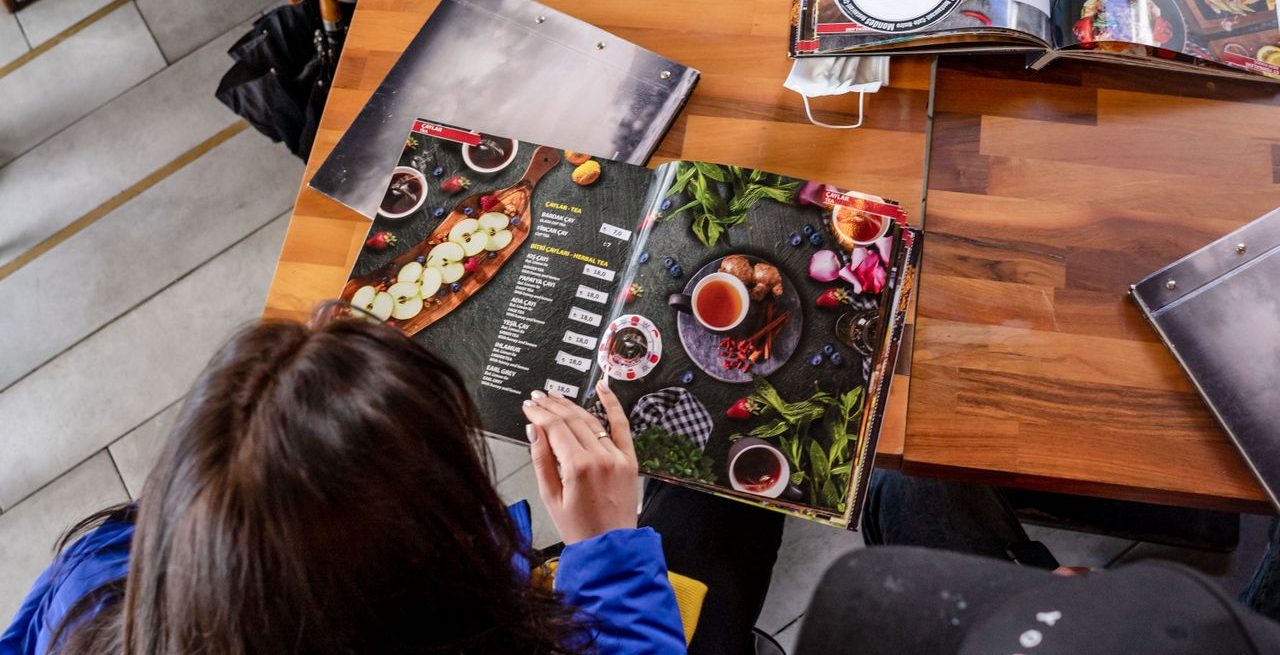
Clarity-First Menus Build Guest Trust
3 Min Read By MRM Staff
By using precise descriptions that communicate the intention behind menu items, operators can resolve ingredient confusion and help diners feel more confident in their choices.
“Menus must tell the brand's story of who they are and how they meet their guests' needs,” said Erica Holland-Toll, Culinary Director at The Culinary Edge, which helps clients identify how to communicate their brand and food ethos through their menus and recipes. “If the focus is on wellness or health, then the menu could communicate that through their ingredient lists and techniques.”
While ultra processed foods (UPFs) have been around for decades and been integral to providing more stable food for more people, now we see more foods that are ultra processed than not on the shelves and the narrative about how they are so bad for us is making more headlines than ever, Holland-Toll explained. The high-protein, fiber-maxing movement has created even more confusion around ultra processed foods, because it is simply not possible to add more protein and more fiber without ultra processing.
“If high protein, high fiber is healthy, then how can UPF’s be bad for us?” Holland-Toll quizzed. “The headlines of eating healthy have not actually changed in years-the Michael Pollan mantra of ‘eat food, not too much, mostly plants’ has been and remains the gold standard of nutrition advice. It’s easy to say though, and harder to live by when confronted with foods that are literally manufactured to taste like the best possible version of themselves, who can ‘eat just one?’”
To alleviate some of the confusion, menu design, whether online or on paper, becomes even more important, Holland-Toll said.
“It’s the first place that our guest sees what we offer, and if they are online, especially on a third party platform, it might be the first time they experience your brand at all.”
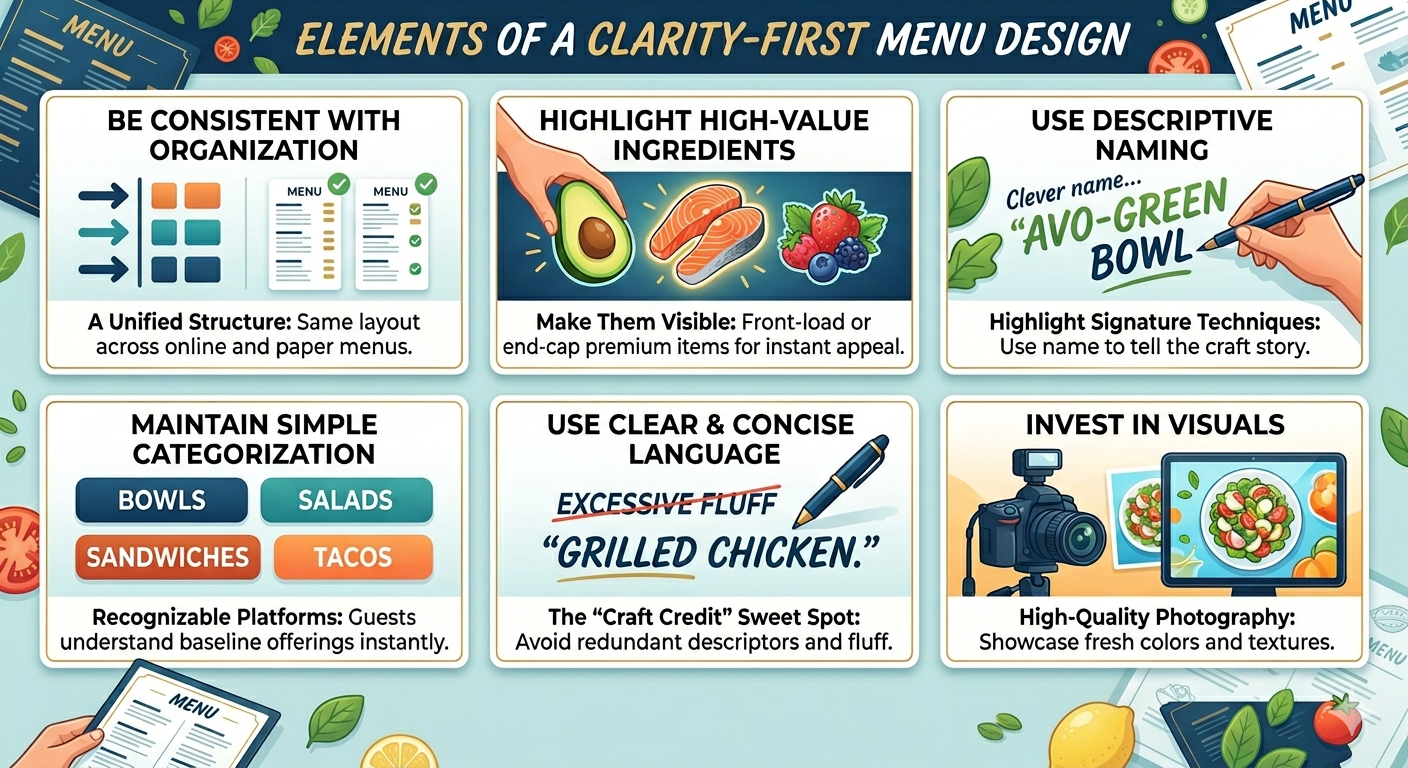
Especially online, use clear language, create platforms that are easy to understand- bowls, salads, sandwiches, tacos etc- and be consistent in your descriptions and organization, Holland-Toll advises.
For example, If you list protein first, be sure to list it first on every dish and show off those high value ingredients. Don’t hide that avocado in the middle of a long list of ingredients, call it out early or late in the description. Don’t be afraid to use the menu name to highlight high value ingredients if you use descriptive naming.
“It’s a delicate balance between getting credit for your craft and using too many descriptive words that you lose your guest, said Holland-Toll. “Pick a few things that are important to call out in the menu item itself, but don’t overdo it with place names or redundant descriptions.”
And, don’t underestimate the power of visuals, especially if you are a health-leaning brand, Holland-Toll suggested.
“Invest in food photography to show off those beautiful fresh colors and vibrant produce. Especially online where the guest might not see the ingredients in front of them.”
There are many examples of brands that lead with whole fresh ingredients- from bowl and salad concepts such as MAD Greens to juice bars like Pure Juice writing menus that list their ingredients clearly and plainly are one way to promote clarity, said Holland-Toll.
Menu clarity can help operators be more efficient as it equates directly to speed of service, especially with first-time guests who may not know what to expect, Holland-Toll explained.
“Clear menu-ing allows guests to choose faster, pay faster and speeds guests through the queue.”
Educating a team allows them to educate guests, said Holland-Toll.
“Be clear with your team about your story and your ingredient promise and empower them to communicate what they know to the guests.If they don’t know the answer, they shouldn’t guess.”
Additionally, operators must always be honest about ingredients and tell guests where to go to get more information about them such as a website or printed pamphlet, said Holland-Toll, adding that they should never dispense health advice.
“If a guest has a question about their health and ingredients, direct them to discuss it with their trusted medical professional.”