Building Zero-Proof Beverage Programs for Gen Z’s Sober Shift
3 Min Read By Adoniram Sides
Not long ago, ordering a non-alcoholic drink at a bar meant settling for something foregettable; a Shirley Temple, a sparkling water with lime, or a diet soda. But now, more than a third of Gen Z doesn’t drink alcohol, and many others are beginning to embrace a sober-curious mindset.
What began as a generational attitude has since crossed over and sober diners are sitting at your tables every night. For operators willing to meet that shift with intention, the revenue opportunity is real.
The Margin Reality that Operators Can’t Ignore
Alcohol has long been the safety net for many restaurant operators. Whether it’s a high-margin cocktail, or a bottle of wine with a 300-percent markup, it’s the cushion that keeps businesses profitable when food margins are compressed. Revenue per seat, attachment rate, item-level margins: all of it tilted in the operator’s favor as long as the table was drinking.
Now, the no-or-low-alcohol (NoLo) guest offer a significant an opportunity for high-margin items as drinkers. They will remain an underserved customer with spending intent and no compelling reason to come back if your program doesn’t meet them where they’re at.
Approaching Non-Alcoholic Drinks with the Same Intentionality
For Gen-Z drinking less, or not at all, is a signal of health consciousness, intentionality, and sometimes a signal of values. In the same way that what you eat says something about you, what you order increasingly does so. Operators that offer well-designed, thoughtful drinks for drinkers and non-drinkers alike capture new customers and new brand awareness.
Junie’s in Nashville is a useful example. Their custom mixes use fresh juice, muddled cucumber, house-made sodas tol elevate the experience to match the intentionality of their full beverage program.
Where Culture Meets the Menu
One practical entry point is the prix fixe. Bundling zero-proof drinks alongside food removes the decision for the guest and lifts the check naturally. Bundles are a strong way to increase revenue per seat while showcasing your culinary offering and leaving a lasting impression.
Your menu should be designed cohesively, but just as importantly, staff need to understand what pairs well together. This goes beyond upselling. It’s about elevating the guest experience and building loyalty.
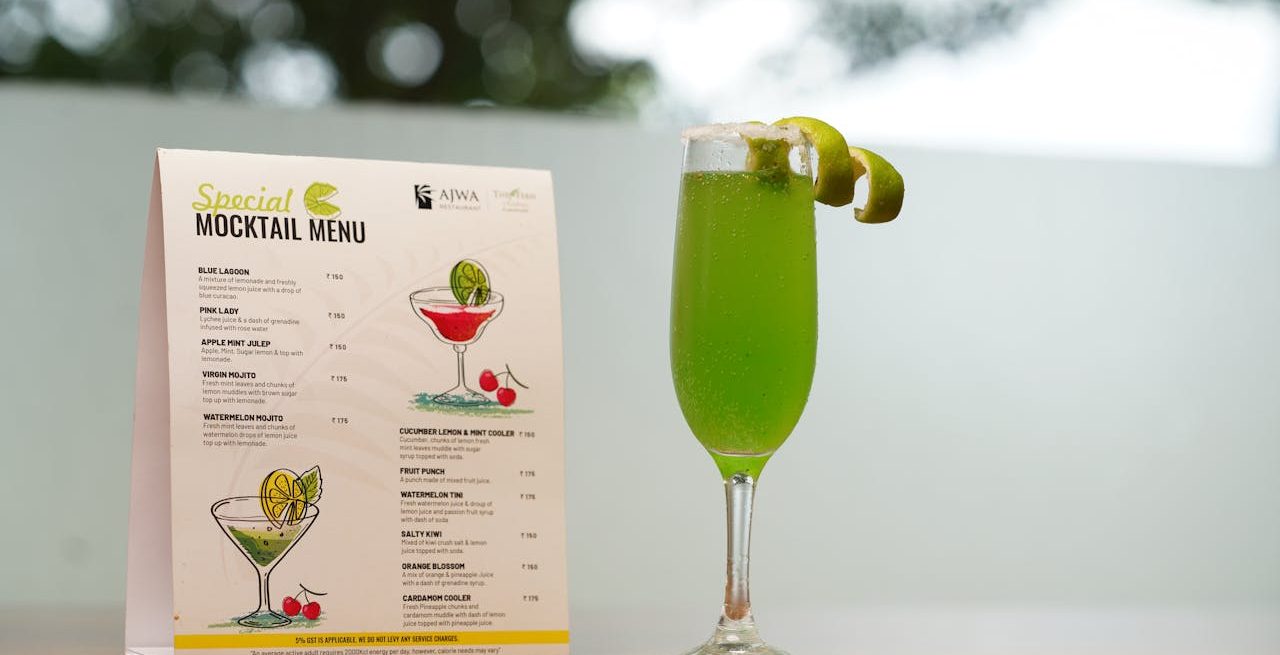
Beyond that, the placement on the menu clearly can’t be an afterthought. A dedicated section, thoughtful naming, and comparable pricing help position zero-proof options as a core part of the beverage program, ensuring every guest feels included.
Driving Traffic through Sober Experiences
Operators making the most of this trend are also finding new ways to drive foot traffic, including sober events. The most recent trend, coffee raves, create an inclusive space for social connection, where guests gather around music, coffee, pastries, and more. Many of these events are daytime-friendly, with some even attracting guests who bring their children.
The broader principle is worth noting: a strong zero-proof program doesn't just retain the guests you already have. It opens access to occasions and audiences that your current model may be closing off.
Other Ways to Rethink Sober Alternatives
Interesting glassware: This may seem simple, but it can do a lot of heavy lifting. Presentation matters, and no guest wants to feel singled out by a drink. Investing in thoughtful glassware and presentation helps elevate zero-proof options and makes them feel on par with alcoholic offerings. It also increases the likelihood of being photographed and possibly shared on social media platforms.
Expand into other high-margin categories: Consider products such as specialty teas, kombucha, boba, adaptogens, CBD drinks, and more. Just because a guest isn’t drinking alcohol doesn’t mean they aren’t looking for something other than soda or water.
Develop take-home opportunities: If a guest enjoys something like a house-made basil lemonade, offer it by the bottle to go. This also creates an additional revenue stream beyond the table.
The sober-curious guest isn't asking operators to reinvent the dining experience; they're asking to be considered. The restaurants that approach this with intention, craft, and a beverage program that reflects the same care as everything else on the table, will find that the opportunity was there all along. It just needed someone to build for it.