Building Systems That Retain Good People
3 Min Read By MRM Staff
While there’s no one-size-fits-all hiring strategy, one thing remains true whether you’re at the local bar and grill or at an upscale Michelin star restaurant: hiring is always a bit of a leap of faith, said Derek Clayton, corporate chef at Vitamix.
“Work history, experience and skill set matter, of course, but I’d argue attitude and fit matter more. Can we work together in close quarters, under high stress, for long hours? Can we communicate well when things get busy? Skills can be sharpened, but the right mindset and willingness to be part of a team are what really make a hire stick.”
One of the key ways to retain staff is to have consistent systems in place for the training and onboarding process that translate into better kitchen flow and guest experience, Clayton pointed out.
“Consistency is everything. Guests come back because they trust what they’re getting. If that smoothie, soup or sauce tastes different every time, you lose that trust pretty quickly.”
If you want strong people, you need to create a place they actually want to work. That means paying fairly, treating people with respect, allowing for some balance, and offering a clear path to grow, he added.
“Whether that’s learning under a skilled chef or having a clear path to advance within the company structure, it matters. When a restaurant builds a reputation for valuing and rewarding its team in a meaningful way, it becomes much easier to attract and retain good people.”
Clayton stresses the importance of a practical evaluation, employing a “working interview,” where applicants would come in for a few paid hours.
“It gave both sides a chance to see if the fit was there. Of course you’re evaluating skill, but you’re also asking a more important question: can we work side by side during a busy service and communicate well under pressure? That foundation goes a long way in building a stable team. We don’t have to play cards on Sunday night, but I want to know we can get through service together.”
With teams that are changing all the time, operators need to rely on simple system such as clear recipes, smart prep, and equipment that does what it’s supposed to do without a ton of guesswork, Clayton advised.
“You shouldn’t have to work somewhere for four years to become the blender whisperer. It should be intuitive. Push a button, follow the recipe, get the same result. That takes pressure off the team and keeps things moving.”
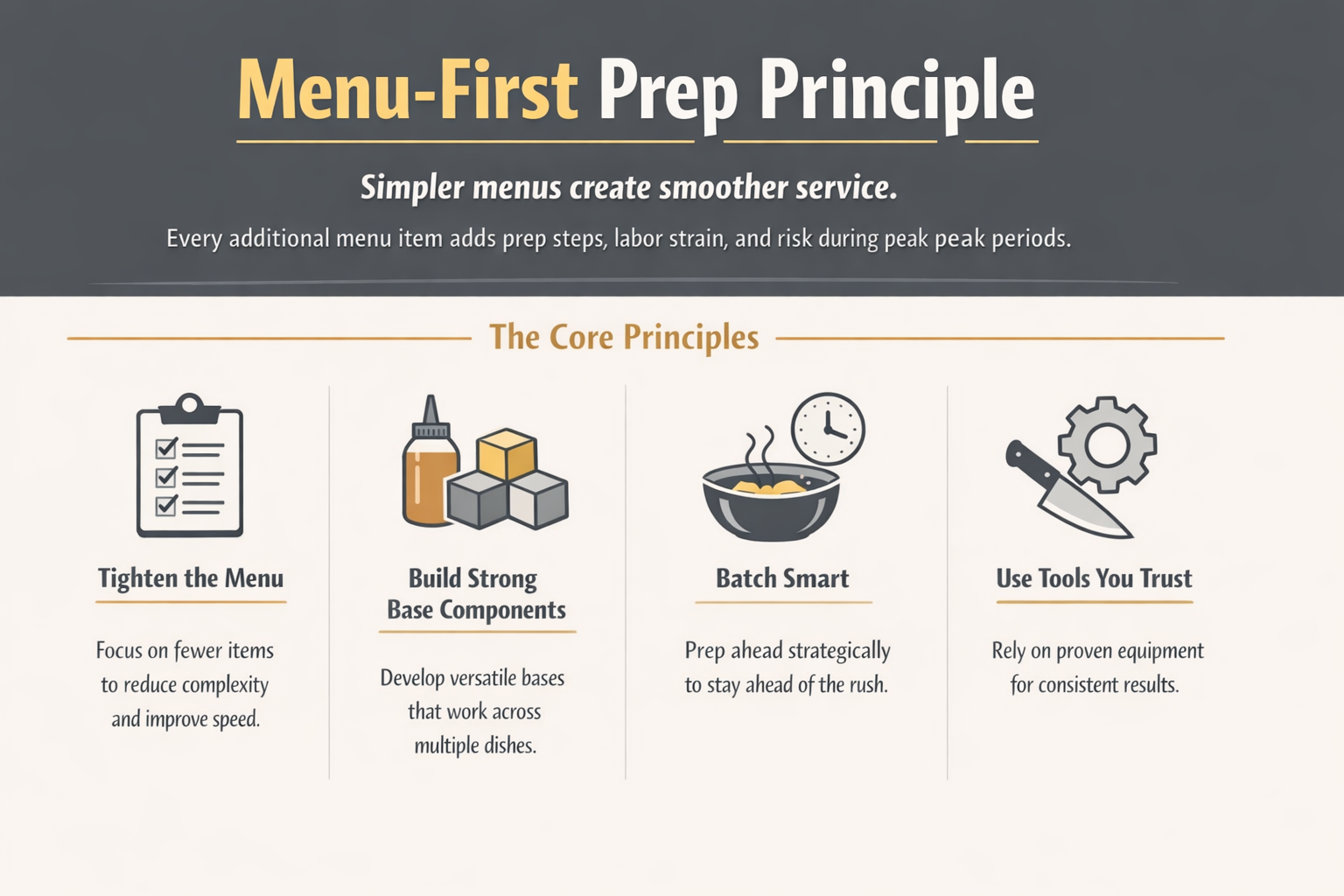
For simplifying prep, Clayton points to starting with the menu as the more moving parts you add, the more risk you create during a rush. To do so, he suggests:
-
Tighten the menu up, especially for high-volume periods
-
Build strong base components you can use across multiple dishes
-
Batch smart so you’re not scrambling mid-service
-
Use tools you trust so you’re not babysitting a process
“Keep it simple and steady, and the whole kitchen moves better. But when labor gets squeezed or systems fall apart, you have to simplify an focus on the items your team can execute well every time. Reset expectations in a quick, clear huddle. Who’s on what station? What are today’s priorities? Put your strongest people in the most visible spots and control the pace as much as you can.”
Finding and training someone new is almost always more expensive and disruptive than keeping the strong people you already have.
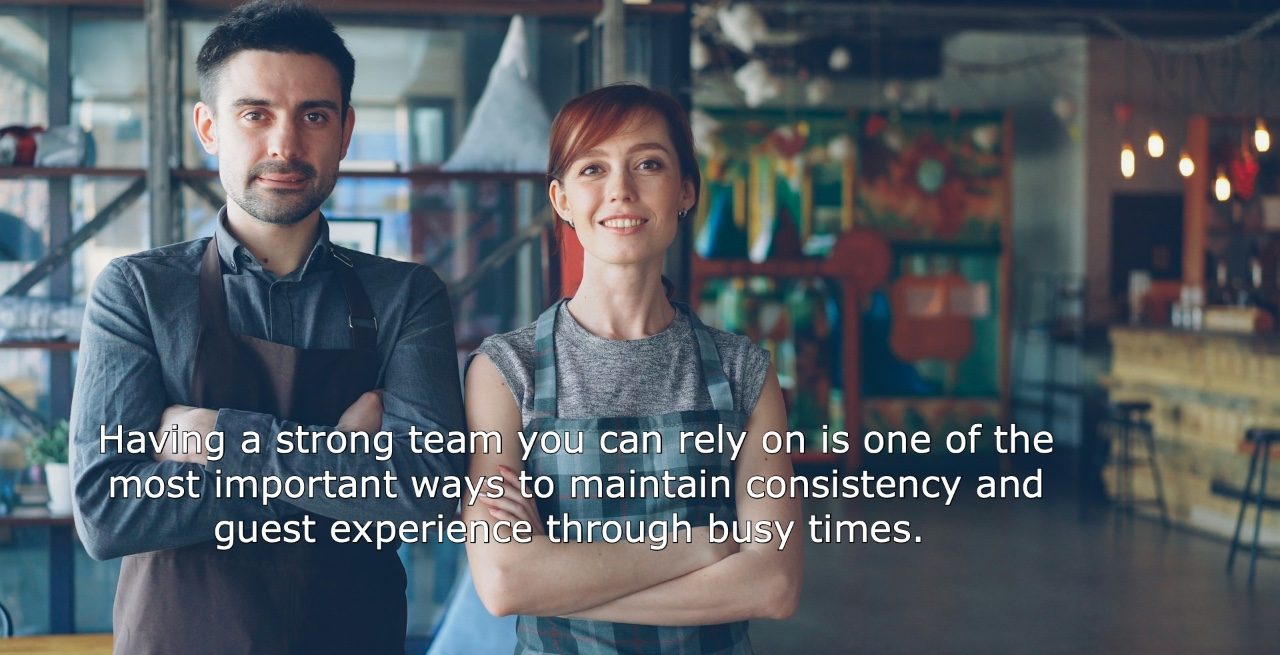
“Our people are our strongest asset, and we as leaders need to prove that we value them, when and where we can. Having a strong team you can rely on is one of the most important ways to maintain consistency and guest experience through busy times. Guests should never feel the scramble behind the scenes. Calm leadership, clear communication, and a simplified game plan can steady things quickly while you rebuild for the long term.”