AI with Meaningful ROI
4 Min Read By MRM Staff
When integrating technology, the team at Dartcor Enterprises always made decisions with a focus on the problems that needed to be solved.
“We began identifying those friction points department by department and asking: What are people doing manually over and over again? What information are they constantly going to look for? And what could we automate, integrate, or simplify?” Jason Leeds, Chief Growth Officer, explained.
As the company that designs and operates hospitality environments across a variety of brands grew, its tech stack grew as well with teams using different platforms for reservations, POS, scheduling, events, purchasing, inventory, invoicing, budgeting and reporting. While all of the tools served a purpose, there was a major downside in that managers can end up spending a significant amount of time moving between systems, compiling information and manually creating reports instead of spending time on hospitality, Leeds said.
The ultimate goal is ambitious: they would like hospitality managers spending virtually zero time sitting at a computer.
To give back that time to managers, Dartcor implemented a dedicated AI and automation program a year ago.
For example, at The Morris Proper, they built a Daily Morning Brief that pulls information from its digital platforms and operating checkbook data into one concise report that shows a summary of the week, a recap of the day prior, and prep for the day ahead. It eliminated at least 45 minutes of manual work every morning while giving the manager the key information they require to start the day, Leeds estimated.
Another example is the software they wrote for the catering business that supports several locations. Previously, menus, ingredients, allergens, orders, production sheets, labels, driver sheets and invoicing lived across 37 separate Excel spreadsheets. They've now brought that into one connected system called Commissary OS.
“Across roughly 18–20 tools and workflows we've built or are developing, we estimate our current systems are returning approximately 5,500–7,500+ hours of human time annually to the organization,” Leeds said. “And we're continuing to look for the next opportunities, including a variety of automated reporting, custom skills and workflows, and internal AI agents.”
The approach is working, he believes, because they started with a very specific question: What can be taken off someone's plate so they can spend more time doing the work only a person can do?
“In hospitality, that human work is incredibly important. It's reading a room, noticing when a guest needs something before they ask, coaching an employee, solving a problem in real time and setting the tone for a team. Those are things we don't want AI doing.”
The ultimate goal is ambitious: they would like hospitality managers spending virtually zero time sitting at a computer, Leeds noted.
“We're trying to make technology increasingly invisible to the manager. The information they need should come to them proactively, ideally in one concise daily communication with insights surfaced for them, while dashboards remain available when they need to dig deeper. The technology should recede into the background so the manager can spend more time being human.”
We can teach someone how to use Claude. It's much harder to teach someone how to read a room, build trust with a team or make a guest feel taken care of.
This “less time on screens, more time with guests and teams” take has been quantified in the administrative time they’re eliminating. For example, with each workflow, the team can look at how long a recurring task took before and how long it takes after automation. That's how they arrived at the estimated 5,500–7,500+ hours of annualized time returned across the organization.
“But time saved isn't really the end goal,” Leeds said. “Human attention is the return that matters most to us.”
And they are seeing that happen in practice. Michael Ramella, the manager overseeing the commissary operation, worked with the technology team to develop that OS. Time that used to go into data entry and manual tracking is now going toward coaching the team, supporting the clients, and managing operational costs, the work that actually moves the business forward, Ramella pointed out.
“That's exactly what we're trying to accomplish,” Leeds said. “If we save a manager 45 minutes every morning, we don't want to fill those 45 minutes with another administrative task. We want that manager coaching their team, walking the floor, interacting with guests, managing the business and noticing the things you only notice when you're actually present.”
When it comes to hiring, they are still looking for skills that are hardest to teach and automate including judgment, curiosity, emotional intelligence, leadership and an instinct for hospitality, Leeds said, adding that a willingness to learn about new technology is increasingly important.
“You don't need to know every AI platform, because whatever platform we're using today is going to evolve. But you do need to be curious enough to ask, 'Is there a better way to do this?' and comfortable enough with technology to adopt new tools when they genuinely improve the operation. We can teach someone how to use Claude. It's much harder to teach someone how to read a room, build trust with a team or make a guest feel taken care of.”
Time saved isn't really the end goal. Human attention is the return that matters most to us.
Start small because you don't need to transform the entire organization at once, Leeds advises operators looking to integrate more AI and automation. Pick a repetitive workflow with a clear before and after, solve it well, measure the time saved and learn from it.
“We think about it as work humans should do and work AI should do. We wrote that list down and we work toward it, and we revisit it because it keeps changing. Some of it is a clean handoff; more of it is a person doing the same job with AI taking the first pass, so they spend their time on judgment instead of assembly. Start with the work your guests never see. Protect the work they came for.
Additionally, invest in adoption, Leeds suggested. Dartcor has approximately 30 active Claude users across operations, HR, sales, marketing, finance and operations, but they didn't simply give people access and expect them to figure it out. They've done hands-on sessions with individual departments, created guidance around using those tools safely and in ways that are consistent with the organization, and continue to meet with department leaders regularly.
“Technology is changing quickly. The goal isn’t to become an expert in every new tool. Rather, it’s to build a culture where people are comfortable identifying problems, experimenting responsibly and asking whether technology can give them time back.”
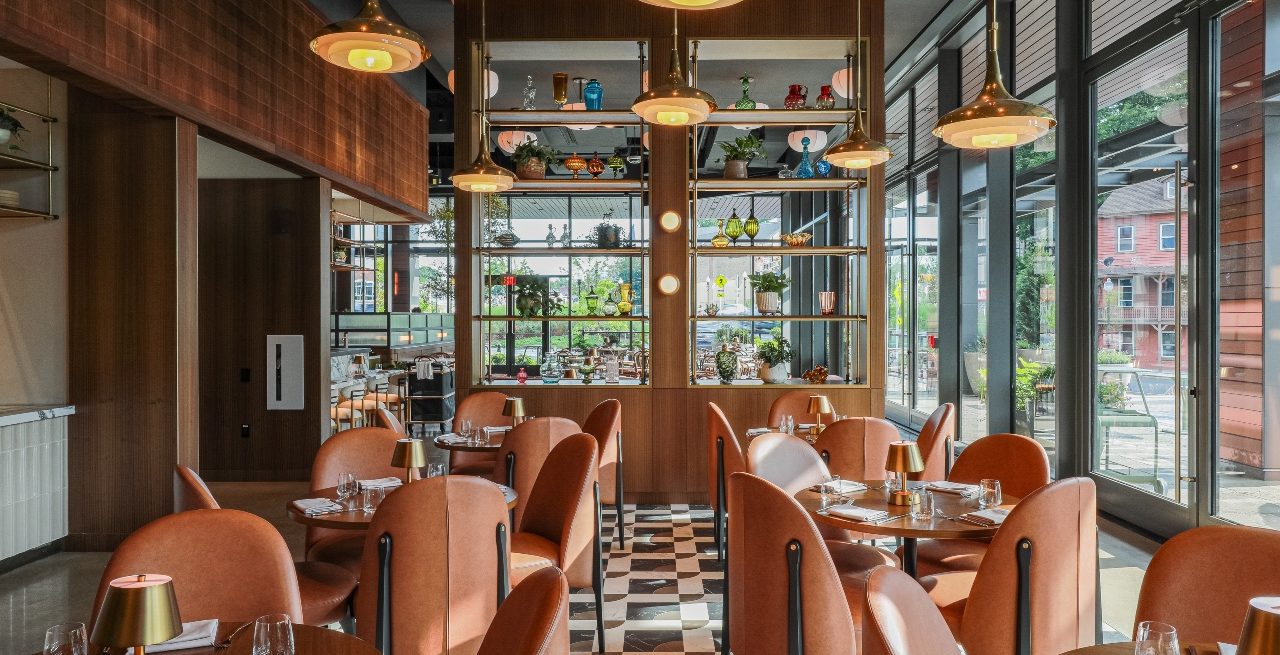
Top photo: The Morris Proper
Photo by Corry Arnold