Reducing Food Waste Through Operational Discipline
3 Min Read By MRM Staff
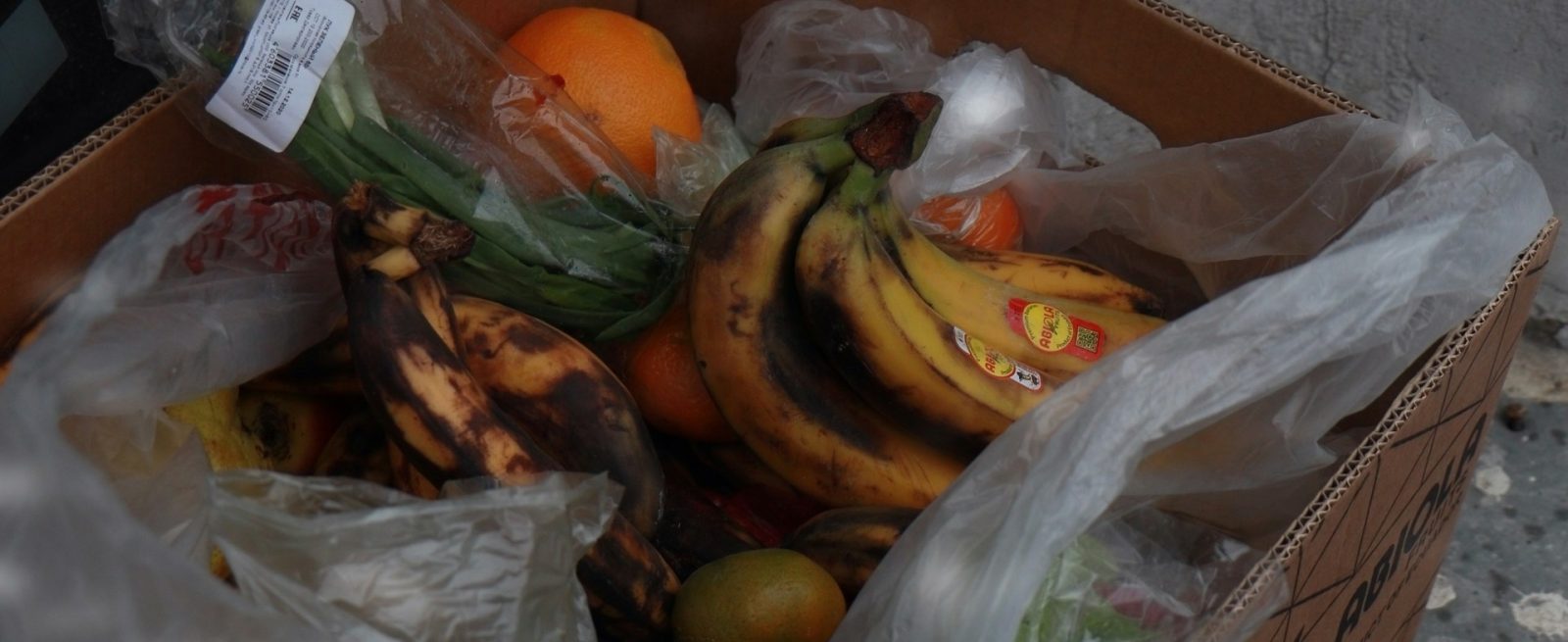
Across institutional and commercial dining, challenges in forecasting, overproduction, and plate waste translate into lost food, labor, energy, and capital. Food waste is one of the most material sustainability challenges in the food system, and foodservice is a significant contributor. In the U.S. alone, restaurants generate an estimated 11.4 million tons of food waste each year, totaling about $25 billion in value, according to ReFED.
When done strategically, menu engineering allows organizations to balance guest satisfaction, operational performance and environmental impact, said Kelly Myers, Elior’s VP of Marketing & Responsibility.
Menu Engineering as a Tool
“Menu engineering is one of the most powerful, but often underutilized, tools for waste reduction. Thoughtful menu design can shape demand toward ingredients with higher utilization rates, reduce SKU complexity, and improve inventory efficiency.”
For example, cross-utilizing core ingredients across multiple dishes minimizes spoilage risk and simplifies procurement. Menus can also be structured to incorporate “flex items” that allow chefs to use surplus ingredients creatively without disrupting guest experience, she said. Beyond back-of-house efficiency, pricing architecture and default portion sizes can subtly influence ordering behavior and reduce overproduction. In short, smarter menu practices don’t just improve profitability—they actively prevent waste before it happens.
Menu engineering also plays an important role in advancing sustainability goals by encouraging the use of lower-carbon impact ingredients, Myers noted. This can include greater utilization of plant-based and other lower-impact proteins, while thoughtfully reducing reliance on proteins that place a higher strain on environmental resources.
“Plant-forward menu design often delivers multiple benefits: it can lower a menu's environmental footprint, create cost efficiencies, and provide nutritionally satisfying options for guests. Portion optimization is another key lever, helping operators align servings with consumer preferences while reducing food waste and unnecessary resource consumption.”
Foodservice’s Unique Role
Foodservice sits at a unique intersection of production, distribution, and consumption, but historically the focus of sustainability has been upstream: agriculture, packaging, and transportation, Myers believes, adding that operators haven’t always been seen as “climate actors,” even though they directly influence what gets ordered, prepared, served, and discarded every day.
“Because foodservice is often fragmented across sites, contracts, and formats, its aggregate environmental impact has been under-appreciated – even though it plays a major role in shaping food demand and waste outcomes.”
Restaurant operators should take notice of food waste not only because of the environmental impact, but because waste is also a direct cost driver, she said. Reducing waste improves margin performance, strengthens supply chain resilience, and helps organizations meet growing expectations from clients, consumers, and regulators around Environmental, Social, and Governance (ESG) performance.
Waste Reduction as Part of the Culture
Operators need to treat food waste reduction as an operational discipline, not a one-off initiative, Myers said. That starts with better data; understanding where waste is occurring across procurement, prep, production, and post-consumption. From there, it’s about tightening forecasting, standardizing recipes and yields, and building tighter feedback loops between demand signals and production planning.
Additionally, training teams on portion control, storage practices, and batch cooking plays a critical role, she said.
“Leadership has to embed waste reduction into KPIs so it becomes part of daily execution rather than an abstract sustainability goal. The most effective starting point of a food waste reduction program is measurement.”
To begin a waste audit, Myers advises, operators must identify where loss is occurring and in what volumes. From there, establishing baseline metrics allows teams to track progress and prioritize interventions. Next comes pilot programs such as targeting a single unit, menu category, or daypart to test changes in forecasting, prep levels, or portioning. Engaging frontline staff is essential, since they often have the clearest visibility into where inefficiencies occur. Finally, operators should formalize accountability by assigning ownership and incorporating waste reduction targets into operational reviews.
“At scale, the most effective interventions are those that integrate into existing operations. This includes production forecasting tools that align prep with real-time demand patterns, centralized inventory systems that reduce over-ordering, and cross-utilization strategies that repurpose ingredients across multiple menu items.”
Trayless dining in certain environments has proven effective in reducing uneaten food at the point of consumption, she said. Donation programs for surplus, where safe and compliant, also ensure edible food is redirected rather than discarded and even simple interventions like smaller default portions with opt-up options have demonstrated measurable reductions in plate waste.