
Does the Soft Socializing Shift Signal Weekend Woes for Restaurants?
4 Min Read By MRM Staff
Restaurant operators have an opportunity to capture Gen Z loyalty and dollars by shifting toward "soft socializing" formats that prioritize affordability, wellness, and no or low alcohol items over loud, alcohol-centric nightlife models, according to The Gen Z Weekend Report from The Harris Poll.
Among the findings:
-
Sixty-eight percent say going out is not worth the cost, with 62 percent not making weekend plans to avoid financial regret.
-
Eighty-five percent of Gen Z have already found lower-cost ways to socialize.
Shifting Models and Perspectives
The concern isn't that Gen Z has stopped wanting to go out, it’s that the traditional restaurant and bar format isn't clearing the bar, financially or environmentally, for a generation that will define consumer spending for the next two decades, Tim Osiecki, director of thought leadership and trends at The Harris Poll, told Modern Restaurant Management (MRM) magazine. In fact, 71 percent feel they are missing the kinds of in-person experiences older generations had at their age.
“Operators who read this as a temporary dip will underinvest in the changes that are actually needed. The ones who read it as a signal will have a significant head start.”
The financial pressure is real and immediate, but the cultural values underneath it are not going away when the economy improves. The preference for wellness over nightlife, for calm over loud, for sober-optional over alcohol-centered are internalized, not reactive.
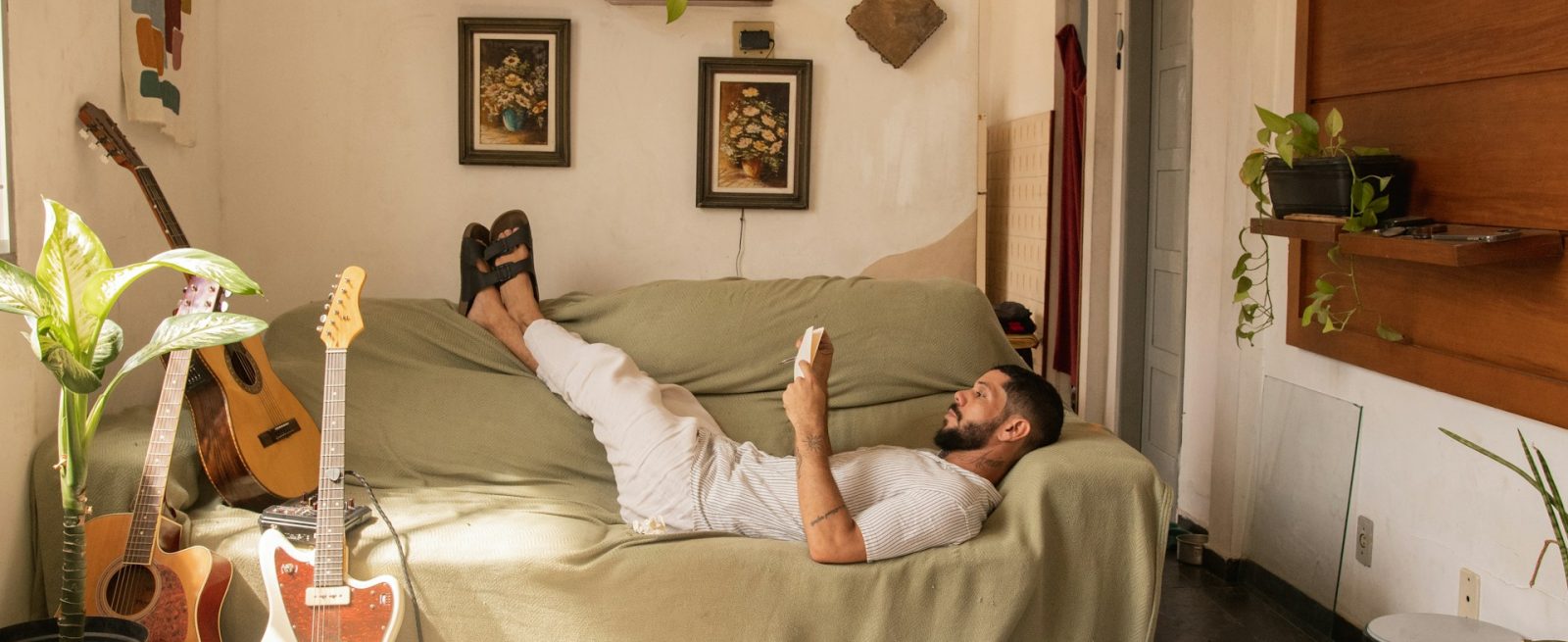
Hard socializing (loud, late, alcohol-driven) is the model most restaurants and bars were built around, while soft socializing is quieter, lower cost, lower pressure, and increasingly the format Gen Z is actively seeking, Osiecki explained.
For operators, that's a design challenge as much as a marketing one because the environment itself is part of what's driving away Gen Z. Volume, crowd density, the expectation that you anchor your tab to alcohol, all of it is working against them, he added.
This trend is both temporary due to economic factors as well as a sign of a larger shift and that’s what makes it complicated, Osiecki believes.
“The financial pressure is real and immediate, but the cultural values underneath it are not going away when the economy improves. The preference for wellness over nightlife, for calm over loud, for sober-optional over alcohol-centered are internalized, not reactive."
Even if Gen Z's financial picture improves, the format they return to will likely look different from the one their parents frequented at the same age, Osiecki added. The dominant social formats don't reflect how this generation actually wants to spend time together. And underneath that is a loneliness problem that digital media is making worse rather than better. Fifty-one percent or Gen Z report feeling lonely on weekends, the highest of any generation, while 49 percent say they don't have enough friends to spend time with in person, the data revealed.
“These aren't separate issues, they're compounding. Cost gets Gen Z to the door. Environment and alcohol-centricity turn them around before they walk in.”
While the report details exactly what Gen Z is asking for, the question for operators is whether they can create a version of the experience that meets that price threshold without gutting the quality.
“Many have already found their own lower-cost workarounds to socialize, they are resourceful and motivated,” Osiecki said. “That may mean rethinking the value proposition entirely: smaller format experiences, community-driven programming, pricing structures that don't require a full dinner and a round of drinks to justify the seat. The operators who crack affordable without cheap will win this generation's loyalty early, and early loyalty in hospitality tends to stick.”
Strategies for Restaurant Operators
Another thing operators should be doing is designing off-premises offerings with clarity about what they're actually selling, Osiecki pointed out. The report shows that Gen Z's at-home weekends are intentional, not default. Seventy-four percent stay in at least half of their weekends each month, and 73 percent say staying in has become their default weekend plan. They're hosting, finding creative ways to bring people together at lower cost.
“An off-premises offering that understands that context, that positions itself as part of a deliberate hosting experience rather than a convenience play, has a real opening. The ones that slap a delivery sticker on the existing menu and call it a strategy are missing the point.”
Operators must also respond to preferences for lesser alcohol and more wellness related items, he said, adding beyond the beverage list, the bigger opportunity is programming. As Libby Rodney, Chief Strategy Officer & Futurist, The Harris Poll, noted, the center of social gravity has moved from the nightclub to the workout, the class, and the calmer room.
“The non-alcoholic category is no longer a concession, it needs to be a genuine priority, not an afterthought,” said Osiecki. “Daytime formats, wellness-adjacent events, experiences that don't center alcohol as the social lubricant — these are the environments Gen Z is actively seeking and largely not finding. The operators who create that space, literally and figuratively, are stepping into a gap the data says is significant and growing.”
When designing restaurants that appeal to multiple generations, operators who think about flexibility in price, in format, in atmosphere, build spaces that work across generations rather than for just one of them, Osiecki said.
“The factors that serve Gen Z well — affordability, lower sensory overwhelm, alcohol-optional programming, daytime viability — don't alienate older generations. The mistake would be designing exclusively for the median boomer experience and assuming Gen Z will eventually grow into it. They won't.”