Unlock Value from Every Screen
4 Min Read By MRM Staff
With the FIFA 2026 World Cup bringing people into restaurants and bars and lifting sales, many operators are now looking to keep that momentum up and become go-to destinations for other sports and events.
Operators who won with soccer were the ones who merchandised it, said Bryan Icenhower, Chief Marketing Officer at EverPass Media. They let their community know they have the games, built a reputation as the soccer destination in their market, and showed up consistently for every matchday.
“Soccer fans are among the most loyal sports audiences.Give soccer fans a place where they know the match will be on, the atmosphere will be strong, and other fans will be there with them, and they will keep coming back long after the tournament is over. Smart operators use that momentum to build a year-round soccer audience.”
The streaming landscape has been evolving as the content customers want to watch has moved and is continuing to move to the platforms, Icenhower explained. For example, Thursday Night Football is now on Prime Video, Champions League is on Paramount+, and Formula 1 is on Apple TV.
“These aren't fringe products anymore; they're marquee rights that used to live on cable and satellite and now live on streaming.”
Treating Screens as a Strategic Hospitality Tool
Operators who do best treat their screens as a hospitality tool, not just a television set, he said.
“That starts with the right content on the right screen at the right time, whether it's a game you've pre-scheduled or one a guest requests on the spot. The key is consistency and intention, especially during high-traffic moments like NFL Sundays, when multiple games are happening at once and different fan bases may be in the room.”
Operators need a plan for what goes where, how staff can manage changes quickly, and how to ensure the overall viewing experience feels seamless for guests, he added because when screens are managed that way, they become part of the hospitality experience and a real competitive advantage.
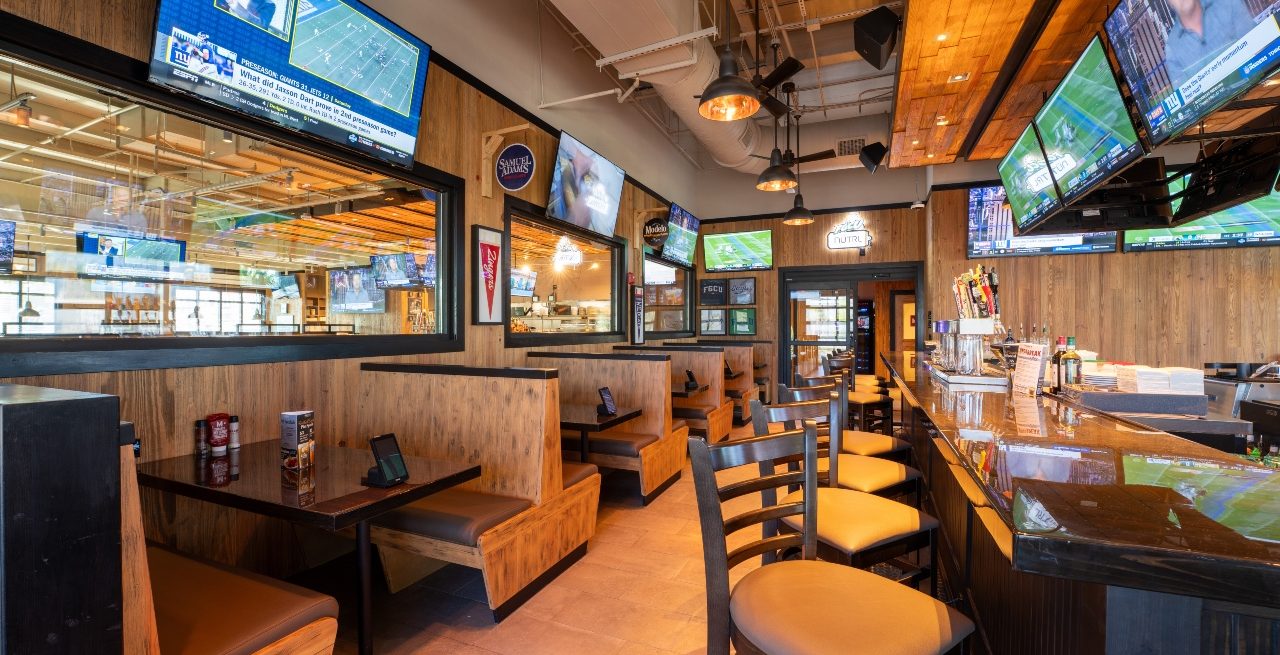
EverPass recently expanded a multi-year agreement with Miller’s Ale House, top photo, to help centralize programming management, streamline game scheduling, and deliver a consistent experience across all locations.
“Every screen in our restaurants represents an opportunity to enhance the guest experience,” said Joel Chick, CEO of Miller’s Ale House. “EverPass helps us deliver more of the premium sports our guests want while also using our screens to highlight promotions, premium offerings and marketing enrollment opportunities throughout the day.”
Unlocking Value Beyond Sports
While sports are the anchor, they're not the whole streaming opportunity for venues because the same platform and infrastructure that powers the NFL Sunday Ticket setup can run entertainment content, brand partnerships, promotional activations, and loyalty program integrations on screens during what "game-off" hours, Icenhower said. That can include promoting limited-time menu items, driving loyalty sign-ups through QR codes, running trivia or interactive content to increase dwell time, supporting brand partnerships, or creating local advertising opportunities.
“The bigger shift is that screens are no longer just background televisions. When they are software-based and centrally managed, they can become a flexible tool to influence guest behavior, support promotions, and create new revenue moments throughout the week.”
Common Streaming Misconceptions
While early consumer streaming products had significant buffering and sync issues causing concerns about reliability, Icenhower noted, platforms today are more purpose-built for high-demand environments. In fact, last year, EverPass managed more than 4,000 live events with 99-percent stream reliability, a track record.
A second misconception is that getting set up with streaming is complicated, he noted.
“For most venues, the opposite is true. No dish, no roof penetration, no line-of-sight requirements, no weather-related outages. With the right internet connection and a simple setup process, operators can be up and running quickly and have more flexibility in how they manage content across the venue.”
The most direct metric of ROI is incremental revenue on programming days versus non-programming ones, Icenhower advised. Beyond revenue, operators should track reservation and walk-in patterns around key events, repeat visits from guests who came for a specific game, and engagement when programming is promoted in advance, he added.
“Most operators already have much of this data in their POS, reservation, and marketing systems. The opportunity is to link programming decisions to business outcomes so they can see which sports, leagues, and matchups are driving ROI.”
Effective Marketing Strategies
The most effective marketing campaigns work at two levels: the individual game and the venue, Icenhower suggested. At the game level, promotion needs to start before the event, not on the morning of. Operators should use social media, email, in-venue signage, digital displays, reservation platforms, and staff communication to ensure guests know what's on and when.
“At the venue level, the bigger opportunity is to build a reputation as the market’s sports destination. That’s the place where fans know they can ask, ‘Do you have the game?’ and get a yes. That loyalty compounds over time. If a fan knows your venue reliably carries the games they care about, they are more likely to return consistently, bring friends, and make your bar or restaurant part of their sports routine.”
Top photo courtesy of Miller's Ale House.