
The Design Psychology Behind a Speakeasy
3 Min Read By MRM Staff
The Watermark Hotel in Tysons, Virginia has a secret on its 25th floor.
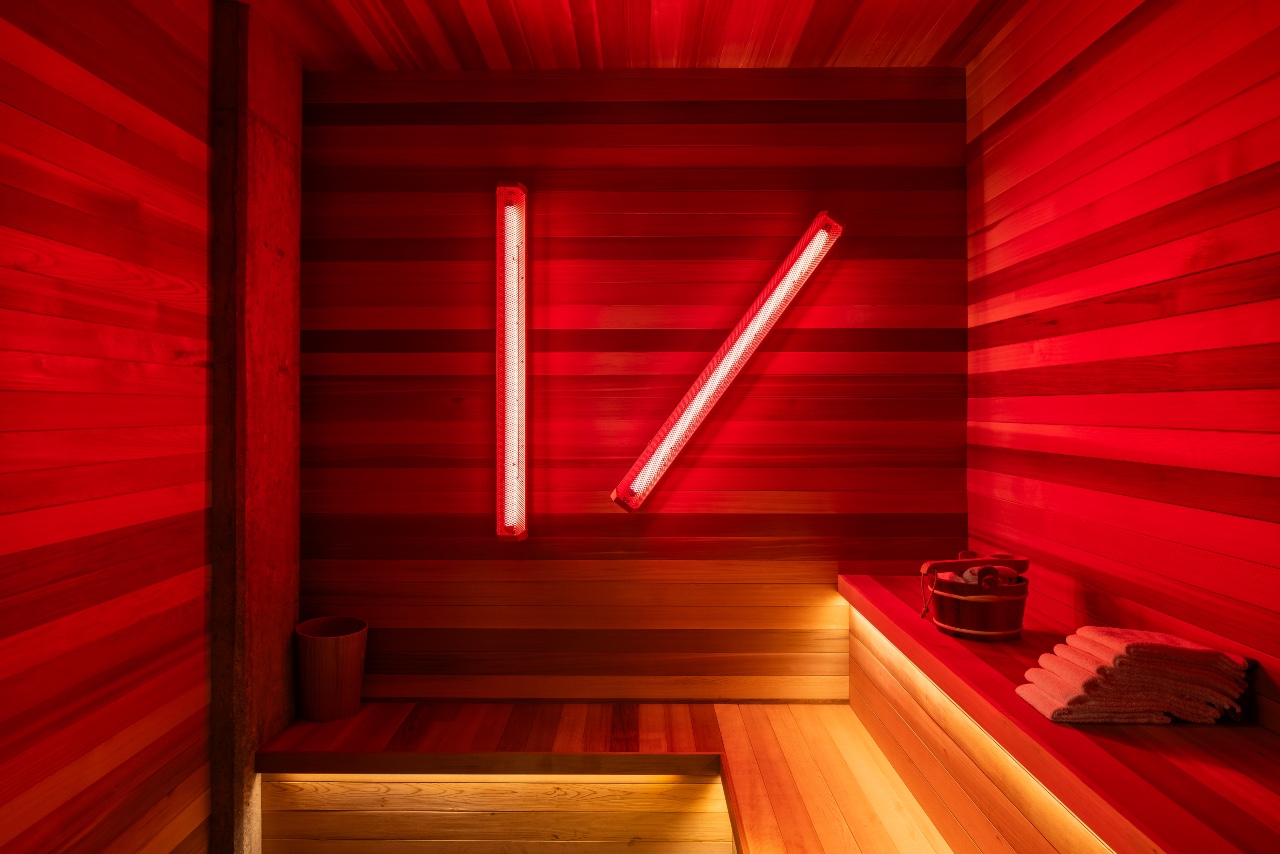
Open an unassuming door in the fitness center’s sauna and you’ll be transported to the streets of Tokyo within The Naisho Room, a hidden speakeasy serving Japanese spirits and an Omakase dining experience by executive sushi chef Hobin Kim.
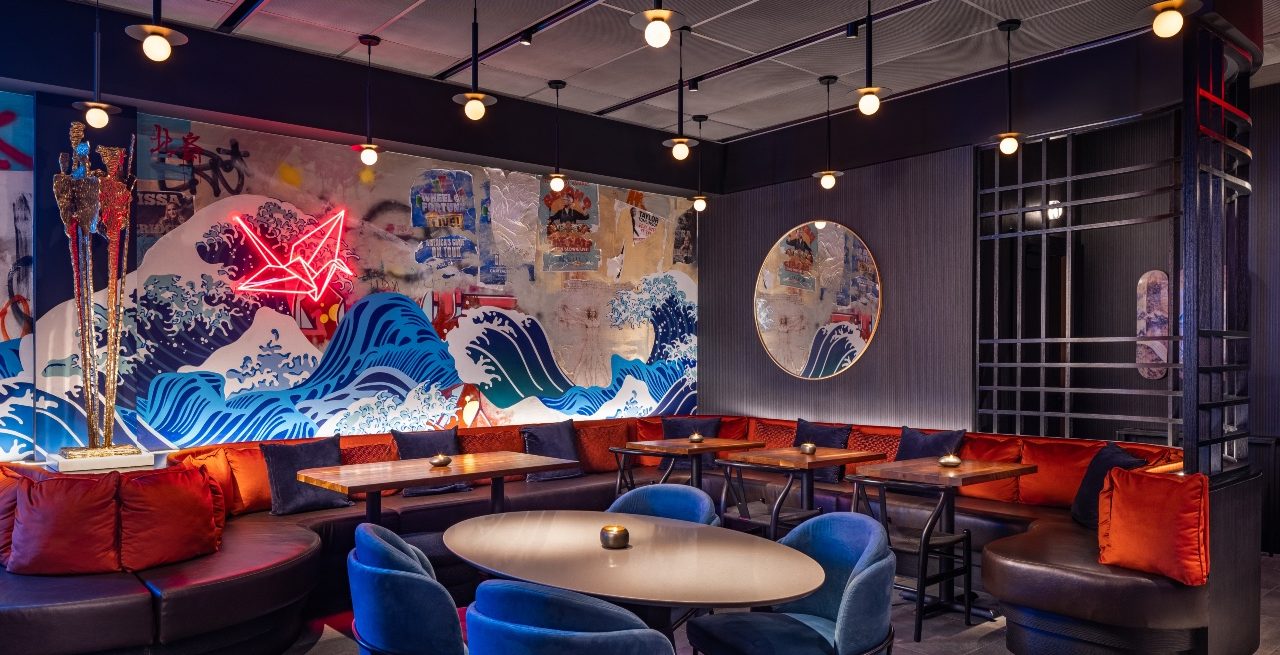
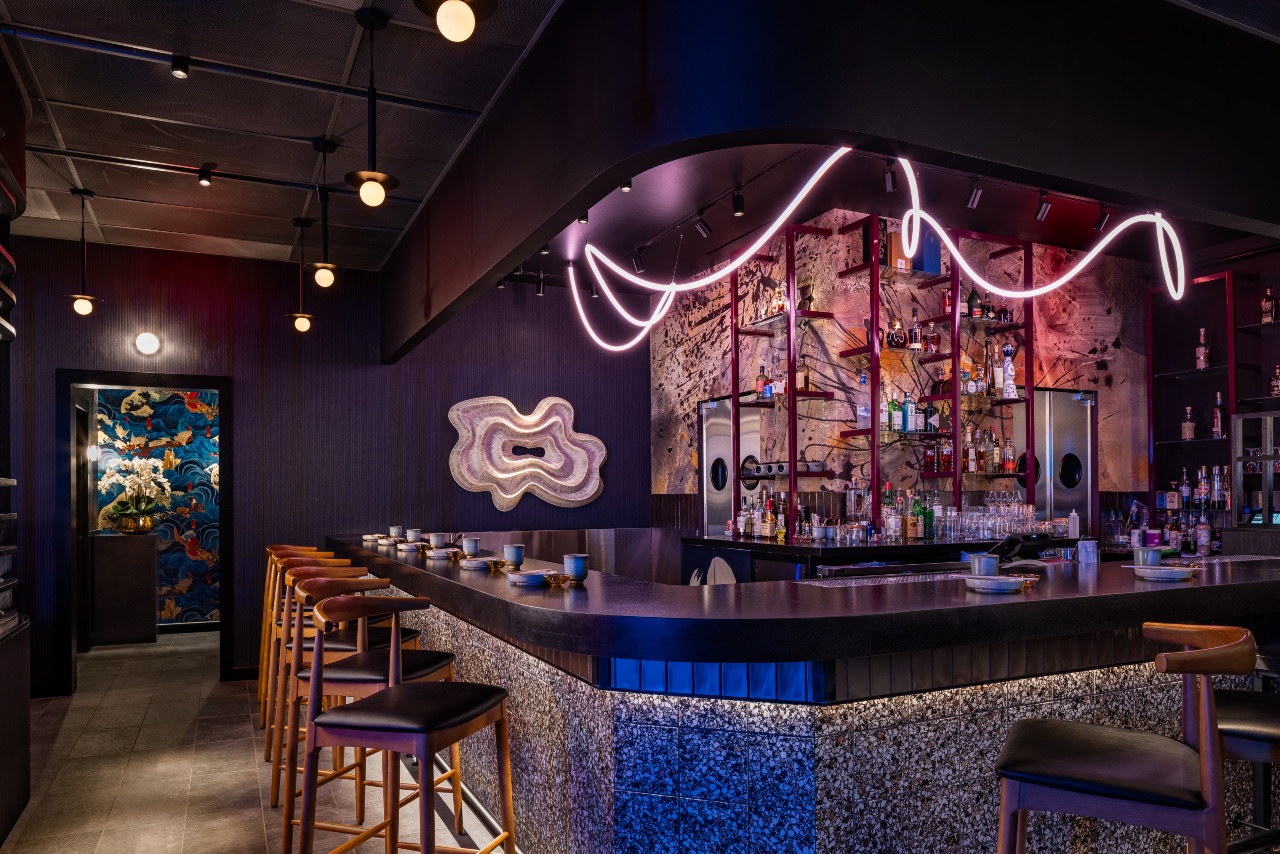
“We wanted to pay homage to Tokyo’s underground nightlife and neon lights, without creating an exact replica,” explained Meghan Scott, Senior Associate at //3877, the Washington, D.C.-based architecture and design team on the project. “We also wanted to create the illusion that the space was uncovered and repurposed, even though it’s in a new building. The rich, dark tones with gritty metal accents and eye-catching, custom artwork, create a truly ‘underground’ feel 25 stories in the sky.”
Named for the Japanese word for hidden, the bar features a “conceal and reveal” design that capitalizes on the emotional transition from discovery to reward.
“I love a ‘conceal and reveal’ experience,” said Scott. “I think the guest should be surprised and excited by the experience of visiting a restaurant, just like they are with the food on the plate. You don’t want the whole meal in one dish, you want multiple dishes to make the dining experience more engaging.”
A quirky entry sequence was part of the Naisho concept from the start. Everything from the cedar wood cladding and waiting bench to the doors are genuine components sourced from a Finnish sauna manufacturer. There’s even a fog machine for effect.
“The impact is made by the initial uncertainty, followed by the discovery that there’s something more,” said Scott. “This experience where discomfort turns into discovery cuts to the core of the speakeasy’s universal appeal.”
Photos by Joseph D. Tran
Consumers are seeking environments that are immersive, story-driven, and enable them to connect with others on a deeper level, she added, especially in today’s digital world, where so much is immediately visible and accessible, spaces that require a bit of effort to uncover feel inherently more valuable.
The overall design challenge was to seamlessly integrate a bar and dining destination within an active fitness center without disrupting either function, Scott noted.
“We wanted to create a true speakeasy moment where the faux entry sequence feels real enough to pass as a true sauna. Then once you’re inside the dining space, the footprint was incredibly compact, which forced us to be meticulous about spatial planning.”
The team worked closely with the hotel owner and staff to make sure they were equipped with the infrastructure they needed to be successful, resulting in a concealed back-of-house area complete with storage, prep stations, and equipment. Considering both the consumer experience and service requirements, the space incorporates efficient egress aisles, food delivery pathways, adequate waiting space, comfortable and accessible restrooms, and a fully functional kitchen, said Scott.
In order to recreate the energy of the jovial, casual atmosphere of Tokyo's izakaya establishments—local spots with drinks and small bites that inspire late-night conversation, they layered the space with rich tones of red, plum, yellow, and blue alongside vibrant neon elements, she said. Towards the back, a custom mural mirrors graffiti found in the streets of Japan, with depictions of traditional Japanese icons such as tattoo-style waves and a paper crane.
Photos by Joseph D. Tran
The appeal of the speakeasy concept is rooted in the psychology of anticipation, curiosity, and reward, said Scott.
“Why do we all love a mystery series or a surprise party? The tension of not knowing heightens the payoff, making the experience more memorable. A bit of intentional discomfort transforms a routine night out into something far more memorable. That moment of uncertainty—of not quite knowing if you’re in the right place—activates the senses and heightens the payoff.”
The goal was to create moments worth talking about: the hidden entry, the unexpected transition, the immersive atmosphere.
“Overall, we hope that guests find the dining atmosphere experiential, intimate, and evocative, said Scott. “When an experience has a clear narrative arc—when it surprises you, engages you, and lingers after you leave—it naturally becomes something you want to share.”
Top photo: The Naisho Room by Joseph D. Tran