
Meeting Customer Demand for Shareable and Snackable
3 Min Read By MRM Staff
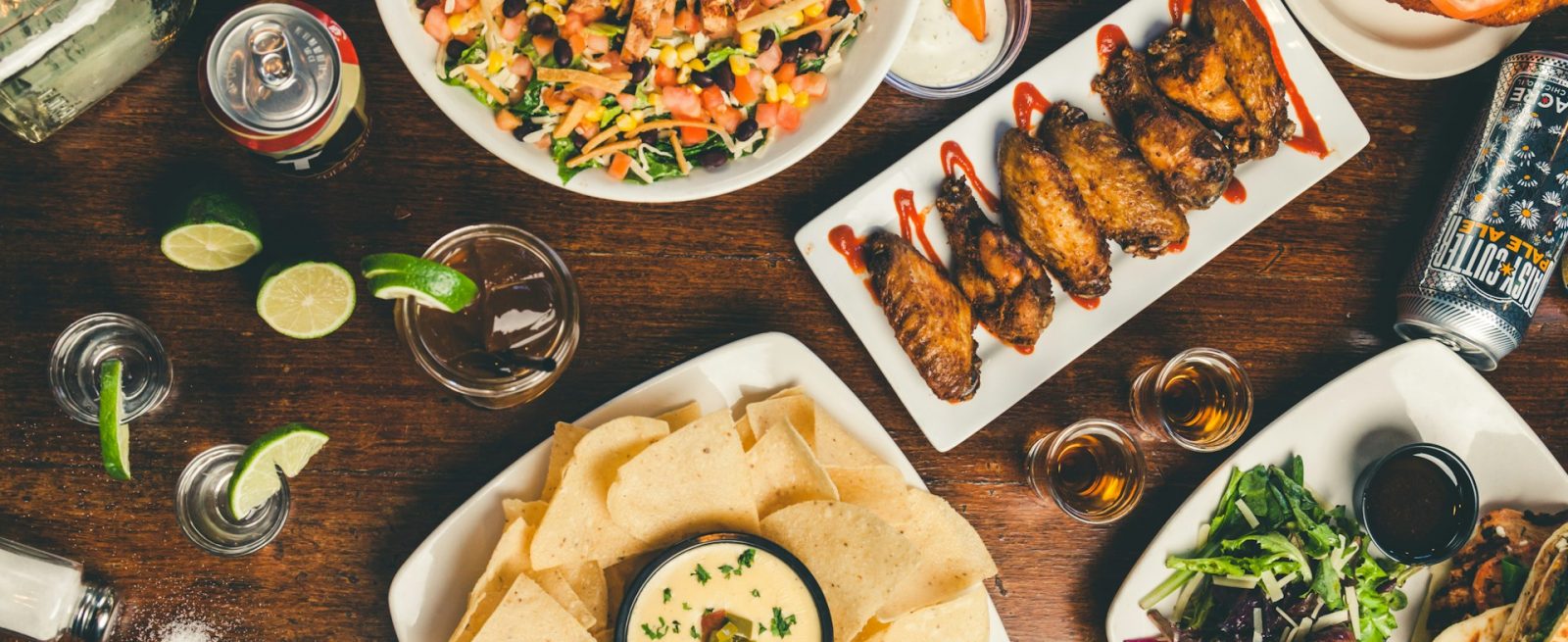
Diners want more of a build-their-own experience and are seeking out menus featuring snackable and shareable items.
A big part of this is simply how people are choosing to eat right now, Joe Hannon, Restaurant365’s GM of Inventory and Sales. explained.
“You are seeing less structure around traditional meal times and more occasions where people are eating throughout the day or sharing with a group. Instead of ordering one entrée, guests want to try a few things and build their own experience.”
This offers an advantage for restaurant operators because smaller items are often easier to execute and easier to build off ingredients that are already in the kitchen, he added.
“When you factor in labor pressure and the continued growth of off-premise dining, snackable items just make a lot of sense for how restaurants are running today. From the operator side, it also creates opportunities to manage margins more intentionally if those items are designed the right way.”
The trend coincides with the value shift as it’s no longer just about getting the biggest portion for the lowest price, Hannon said, noting that it’s about flexibility and feeling like you are getting exactly what you want.
“Snackable items give guests that control. They can spend at a level that works for them and still feel like they are getting a complete experience. In a lot of cases, that feels like a better value than committing to a single higher-priced item.”
Smart Menu Reevaluation
Operators shouldn’t overcomplicate things in order to reevaluate their menus to respond to this trend, Hannon stressed as most probably already have the building blocks in place.
His suggestions include:
-
Look at the current menu and ask what can be broken down, shared, or repositioned.
-
Then look at inventory and ask how many ways you can use the same ingredients across multiple items as that is where you get the benefit without adding strain to the kitchen.
The best approach is to take parts of a trend and adapt them to fit your concept. If it does not fit your food, your operation, or your customer base, it is probably not going to work long term.
Next, look at execution because the best versions of these items are simple, repeatable, and consistent, Hannon said. If it does not travel well or hold up during a rush, it is going to create problems.
While examining sales is the natural starting point when considering menu refinement, the numbers are not quite enough on their own, he said, suggesting looking at repeat orders as well.
“If people come back and order it again, that is a strong signal. Then look at how items are being paired together and when they are being ordered throughout the day. At the same time, you have to look at the operational side. Does it slow down service? Does it create waste? Those are just as important as how well it sells.”
Next, layer in guest feedback because that is usually where you understand why something is working or not.
While it’s a best practice for operators to have some level of ongoing review, taking a structure look quarterly is good cadence because it gives enough data to make real decisions instead of reacting to short-term swings, Hannon said. Seasonal updates are another good opportunity to test new ideas and keep things fresh without constantly changing the menu.
Operators can get into trouble when trying to chase every trend when the reality is that not every trend is for every brand, Hannon noted.
“You have to be clear on what you do well and what your customers expect from you. The best approach is to take parts of a trend and adapt them to fit your concept. If it does not fit your food, your operation, or your customer base, it is probably not going to work long term. Consistency matters more than chasing the next idea.”
Start Small when Scaling New Menu Concepts
Start small and stay disciplined when testing and scaling new menu concepts, Hannon suggested, noting that limited-time offers are still one of the best ways to test something in a real environment because they provide real feedback without committing too much upfront.
“While you are testing, pay attention to both demand and execution. Is it driving incremental sales? Can your team handle it during peak hours? If it works, then you tighten it up. Standardize the process, make sure your supply chain can support it, and train the team so it is repeatable. The operators who do this well treat it as a cycle. Test it, learn from it, improve it, and then scale when it makes sense.”
While Hannon does feel this trend has lasting power because it lines up with the flexibility and variety guests are already asking for, it will not replace the traditional menu.
“What you will see is more of a blend. Strong operators will offer both, a core menu that is familiar and a set of smaller, more flexible options that let guests build their own experience. The challenge is doing that without making the menu or the operation too complex.”