From Takeout to Tasting Menus, What 2026 Will Mean for Restaurant Design
5 Min Read By Abigail Fundling
What will dining look like in 2026? For some, it’s stepping into an immersive atmosphere that feels like a world of its own. For others, it’s picking up takeout from their favorite restaurant in record time––a habit that has become the norm, with 46 percent of U.S. consumers preferring to ordering online, according to DoorDash’s 2025 consumer trends report. These two distinct paths represent the future of restaurant design. As the industry navigates economic uncertainty, design is evolving to meet a dual priority: offering a memorable and immersive experience to those dining in, without limiting speed and efficiency for those carrying out.
The Continued Push for Convenience
In the age of instant gratification and doorstep meals, what used to be an occasional convenience is now a daily necessity that carries real weight in how restaurants operate. As consumer demand for off-premise dining holds strong, we are designing operations to be more fluid. For instance, both new build and renovation projects are prioritizing dedicated pickup areas, streamlined kitchen layouts, and clear separation between dine-in and takeout operations to make the delivery and takeout experience more efficient and reliable for staff and guests. The goal is flexible design; off-premise service should not disrupt the in-restaurant experience, yet it must still meet diners’ expectations for speed and quality. The overall design of the space must be flexible to meet both needs, and shift priorities as needed in a fluid market.
The most forward-thinking restaurant operators are finding ways to make convenience feel elevated, rather than transactional. Just because a guest is dining at home, does not mean they want the meal to be any less special than if they were dining in the restaurant. Meals have to be as hot and delicious as if they were delivered to a dimly lit table in a buzzing dining room, so the efficiency of how that dish makes it to the take-out guest must be as carefully executed as if it was ordered with the server. That is where efficiently-designed kitchens and dedicated pick-up areas come in, creating separately working but equally efficient networks from how that carefully considered, chef-prepared meal makes it to the customer, whether they are sitting at a table in the restaurant or waiting at home on the other end of a delivery app. Added touches like a staffed take-out niche and punchy branding on the take-out bags and containers further elevate that experience.
Experience as the Edge in Tomorrow’s Restaurants
Conversely, when guests do decide to dine out, they are not just looking for a delicious meal, but an experience. Rising prices and economic pressure haven’t tempered the desire for unforgettable, immersive happenings, if anything, they’ve amplified it. Diners want an atmosphere that feels curated and meaningful, not generic or interchangeable.
That appetite for distinctive experiences is driving a surge in immersive, concept-driven interiors where design and storytelling go hand in hand. Every element, from lighting and layout to materials and music, works to reinforce the restaurant’s identity and culinary point of view. Whether it’s an intimate, chef’s counter tasting experience or a lively neighborhood spot that celebrates local culture, the focus is on creating an environment that feels intentional, pulling guests away from their screens and into the restaurant’s unique experience.
In today’s online culture, there is also the reality that it is no longer enough to be in a space, one must also be seen there. The online experience of restaurant dining is undeniable, whether through review sites or social media, word of mouth has become word-of-screen. Working in tandem with that elegantly plated dish is the interior experience drawing people from their screens and through the doors. When one can compare restaurants on their phones, there is no room for middling experiences, customers want to be wow-ed every time.
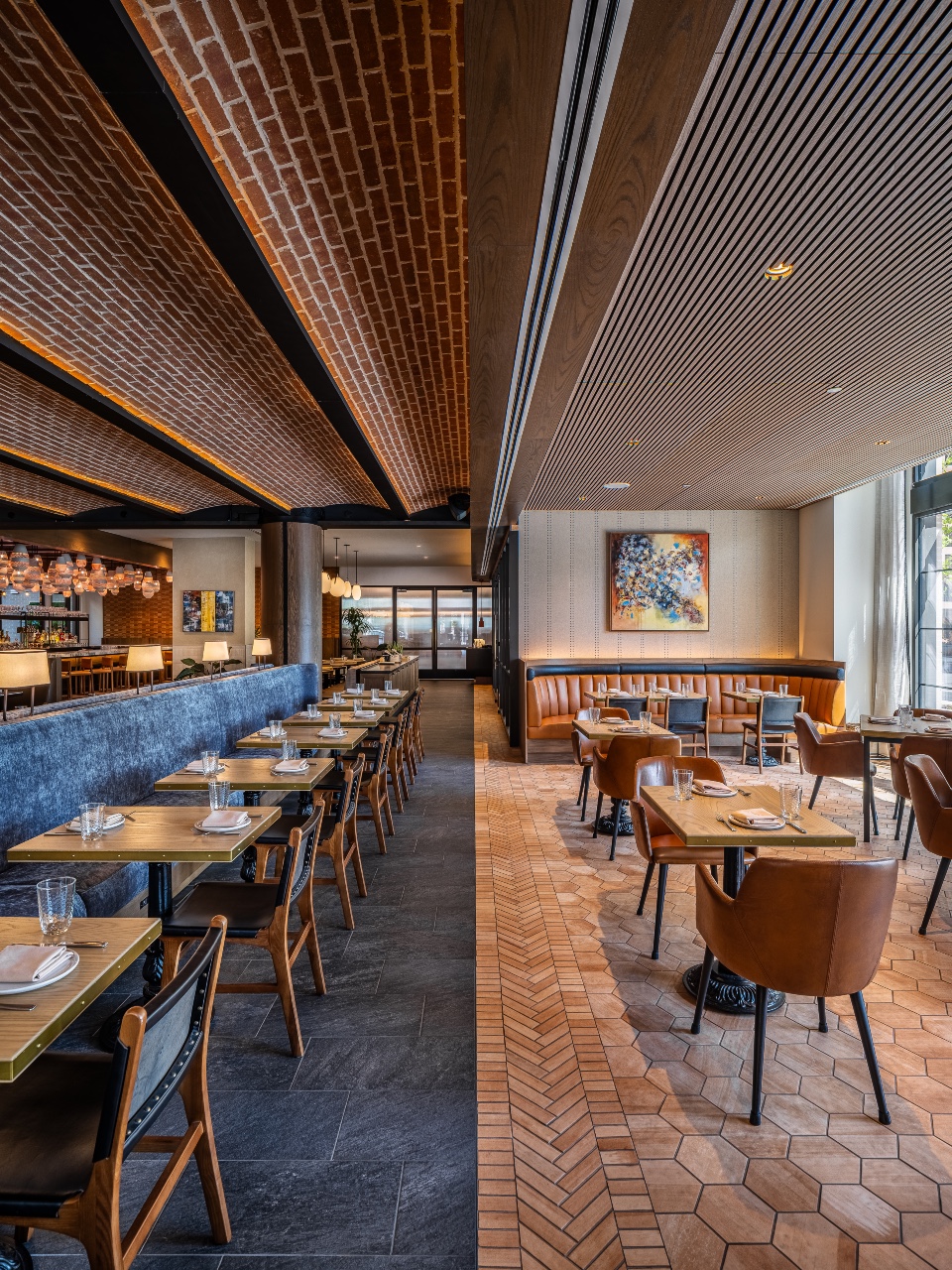
Beyond the online perception, customers can feel the difference between a space that is carefully considered from one that is generic. When a restaurant’s interior design supports the stories told by the dish on the table, an immersive, sensorial experience is born. A diner is not simply enjoying a delicious meal, but an experience. From the feel of the fabric on which they sit, to the warmth of the pendants drifting above their tables, to the softness of the sound-levels inviting them to lean closer to the company sitting across from them; that restaurant experience becomes a memory being made, grounded in a place and time, and infused with something special. These transportive spaces are born of the partnership between owner, chef, and designer, where the taste of the dish meets the palette of the space.
The Impact and Appeal of Chef-Driven Experiences
The dedication to engaging and interactive experiences is what keeps chef-driven concepts popular year after year. In addition to resonating with diners’ desire for authenticity and a deeper connection to the story behind the food, chef-led models also open new doors for the chefs themselves. Opportunities such as hotel partnerships give rising culinary talent a more accessible and affordable path to the restaurant scene. These spaces allow chefs to bring their vision to life without the barriers of traditional restaurant ownership.
These concepts often blur the line between design and culinary narrative. The space itself becomes an extension of the chef’s philosophy, making it personal, expressive, and shaped by local context. Thoughtful use of materials, lighting, and layouts creates a captivating atmosphere that complements the food, turning the environment into a story. In hotel settings, these chef-driven spaces respond to the trend in travel toward experiences that feel locally specific and highly curated. Suddenly, a restaurant becomes not just a building on a block, but a node of the place’s culture, and a hotel, through a culinary experience that can delight and inspire locals and tourists alike, becoming a neighborhood institution.
Designing for Longevity and Flexibility
Economic pressures and labor shortages are also influencing the physical design of restaurants. Flexibility and durability are now central to every project brief. Owners are asking how spaces can adapt, whether that’s to different service models, seasonal changes, or even to future market shifts without costly remodels. Spaces need to be conceptual and beautiful, but equally flexible for an ever-evolving market. There is a desire for timelessness, an impossible feat, so instead we strive for the memorable. Avoiding trendiness and cultivating a design grounded in a good concept ensures the culinary story never falls out of trend, creating a sustainable design built to last.
This has also led to a preference for enduring, sustainable materials that age gracefully and require minimal upkeep, with every design choice carefully evaluated for its long-term impact. This begins with ensuring each material choice is in keeping with the culinary story, serves the brand, supports the staff, and can meet the daily demands of the space. By ensuring each of these things are true, we build a foundation for a space that is not just beautiful, but functional.
A More Intentional Future
Ultimately, restaurant design in 2026 will focus on a balance between efficiency, storytelling , and creativity. Guests may crave convenience one day and immersion the next, but they expect both to feel authentic. The most successful operators are designing with that dual mindset, crafting spaces that serve evolving needs without losing sight of what makes restaurant dining special.
In the years ahead, the integration of flexibility, narrative, and durability will determine which restaurants will succeed. By anticipating both operational demands and guest expectations, these spaces will leave a lasting impact on their communities.
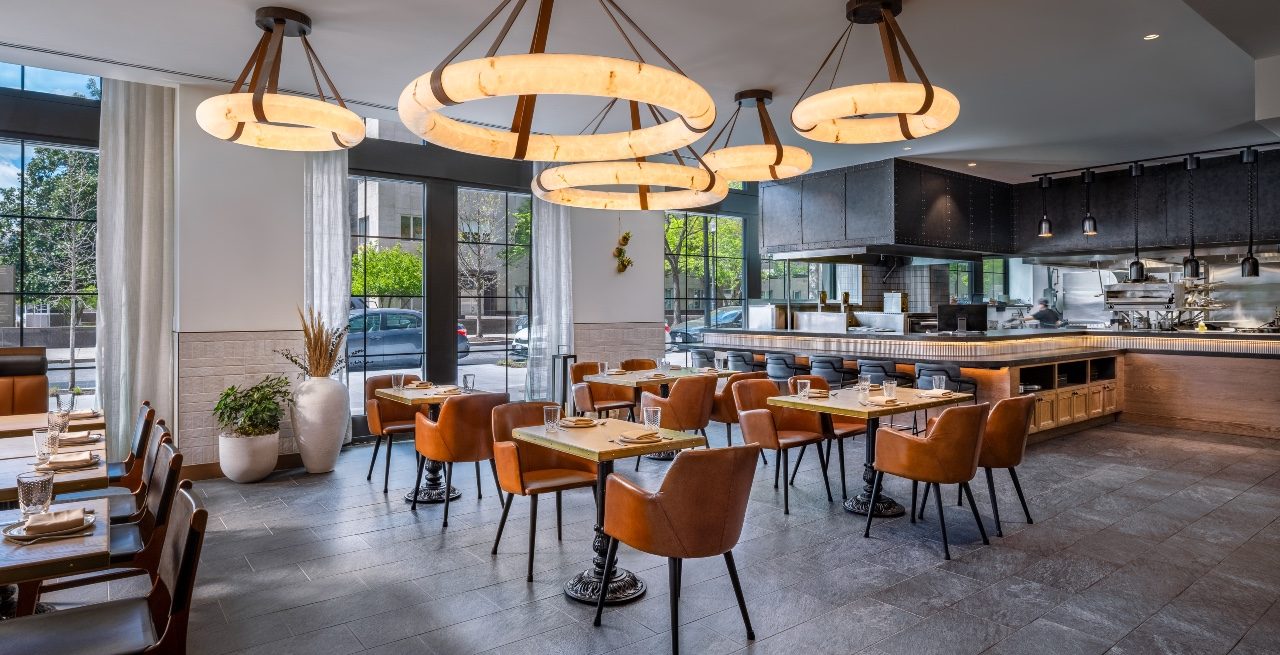
Top photo: Arrels, Photo by Joseph D. Tran